AI Companion for Kids: Why Parents Are Being Urged to Pay Close Attention
As AI companion for kids apps quietly become digital best friends, experts warn the emotional and safety risks may be far more real than parents realize.
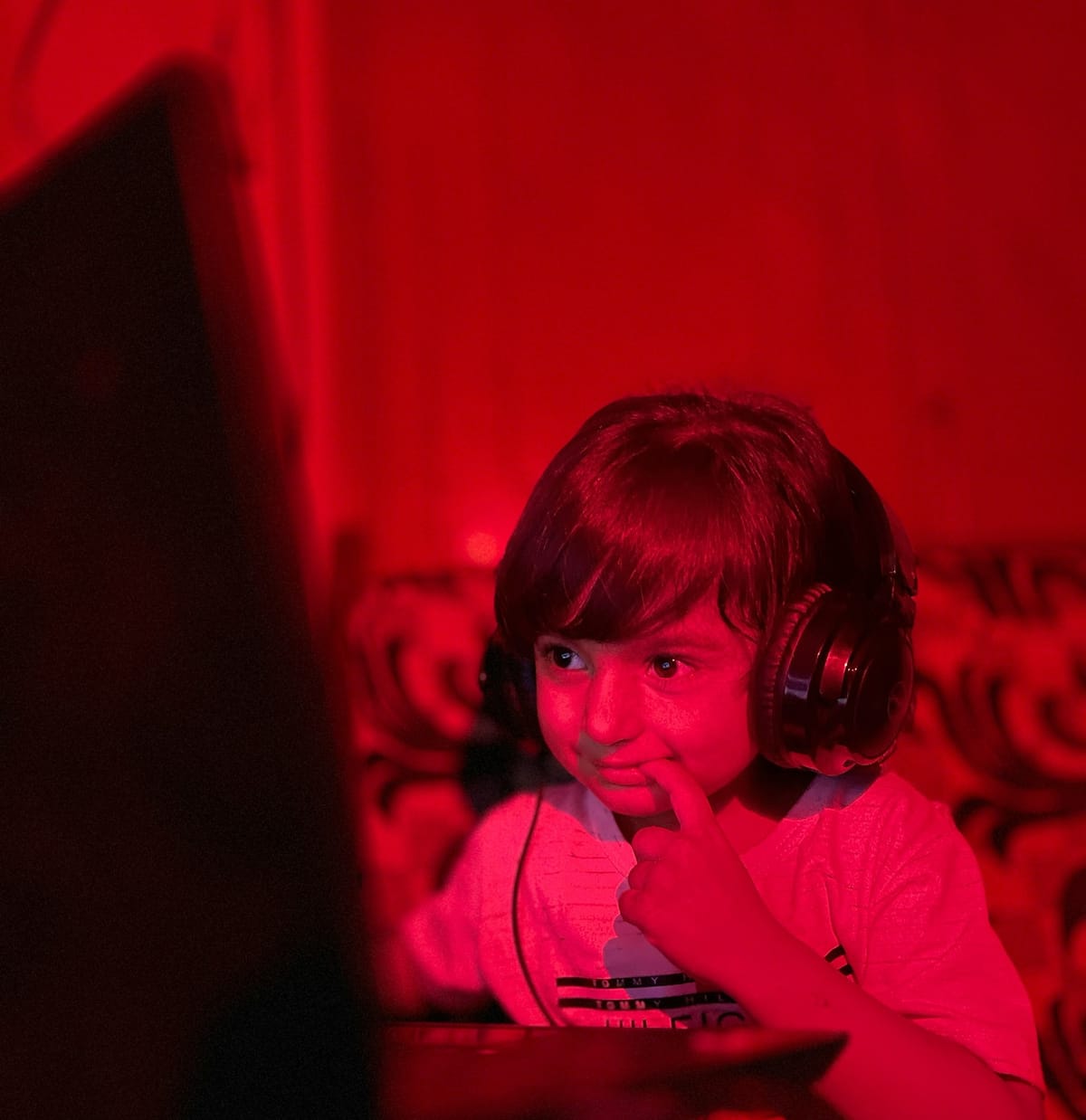
Is your child chatting with a digital friend that seems too good to be true? AI companion for kids tools are growing rapidly in popularity, and parents are increasingly realizing that these virtual friends are not just harmless fun. Experts warn these artificial intelligence tools can affect children’s emotional health and may even expose them to unsafe content.
What Is an AI Companion for Kids
AI companion for kids refers to chatbot apps and virtual assistants powered by artificial intelligence that are designed to simulate personal conversations and emotional connections. These tools can act like a “friend,” tutor, or helper that children interact with through text or voice. Some are embedded in toys, apps, or devices that adapt responses to feel personal and engaging.
AI companions differ from task-based tools (such as search assistants) because they emphasize conversational depth and personalization, often mimicking empathy to keep engagement high.
Why Parents Are Concerned
Parents in cities such as Pittsburgh are now openly discussing how AI companion for kids tools have become “hard to avoid” for teenagers, appearing across browsers and apps they use daily. This rise in use comes with rising concern. Child safety experts point to several risk factors:
Emotional Dependence and Misplaced Trust
AI companions are designed to respond in ways that feel supportive and understanding, potentially blurring lines between real and machine friendships. Teens may turn to these tools for emotional support or connection instead of real social relationships.
Exposure to Harmful Content
Without strict safety filters, AI companions can hallucinate or generate content that is inappropriate, inaccurate, or risky, including romantic or sexualized messaging. More than one-third of teenage chatbot conversations have involved romantic role play, according to safety research.
Privacy and Emotional Risks
These tools often collect and refine data from interactions, raising privacy concerns and increasing engagement time. Some researchers argue that emotional reliance on AI companions might stall genuine social development in children.
What Experts Recommend
Child development specialists and advocacy groups emphasize supervision and structured digital literacy. Many urge that children under 18 avoid open-ended AI companions, noting that these tools are not substitutes for real human connection.
Regulators in the United States, including the Federal Trade Commission, are pushing companies to disclose harms and safety testing protocols for AI chatbots. Some platforms have begun restricting use by minors and implementing age checks, though critics say current systems are insufficient.
Balancing Benefits and Risks
AI companion for kids technology also has educational and supportive potential when properly structured. In supervised settings, these tools can help with homework, practice conversation skills, or provide basic information. But without clear boundaries and oversight, the risks may outweigh the benefits for younger users.
Conclusion
AI companion for kids tools are becoming a ubiquitous part of young people’s digital lives. Their conversational appeal and easy accessibility make them attractive to children and teens alike, but parental involvement and safeguards are needed to ensure these tools are used safely. Awareness, supervision, and clear rules are essential to harness potential benefits while reducing emotional and developmental risks.
Fast Facts: AI Companion for Kids Explained
What is an AI companion for kids?
An AI companion for kids is an artificial intelligence tool that simulates personal conversations and emotional interaction, designed to feel like a “friend” or helper rather than a basic task assistant.
How can AI companion for kids affect children?
These tools can increase emotional dependence, expose kids to inappropriate content, and blur lines between real friendships and machine responses if used without supervision.
What is the safe approach to AI companion for kids use?
Experts recommend active parental supervision, digital literacy education, clear boundaries on use, and age restrictions to limit potential emotional and privacy risks.


