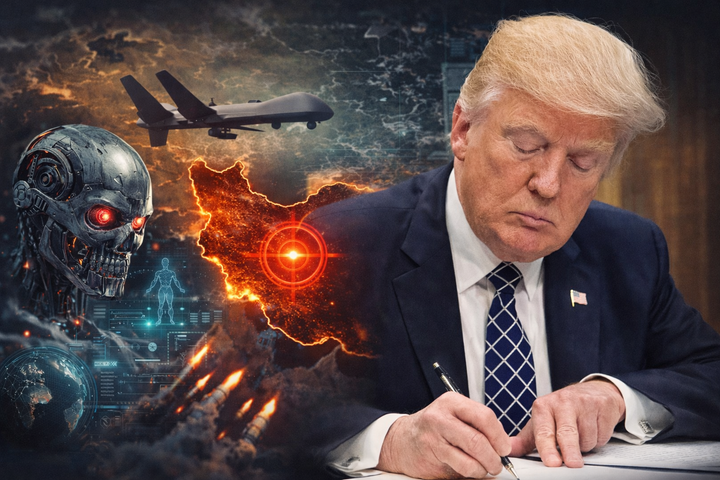
AI-Generated Iran War Videos Surge as Creators Cash In on Conflict
As AI tools turn global conflict into viral content, AI-generated Iran war videos are flooding social media, raising urgent questions about misinformation, profit, and the ethics of digital warfare.
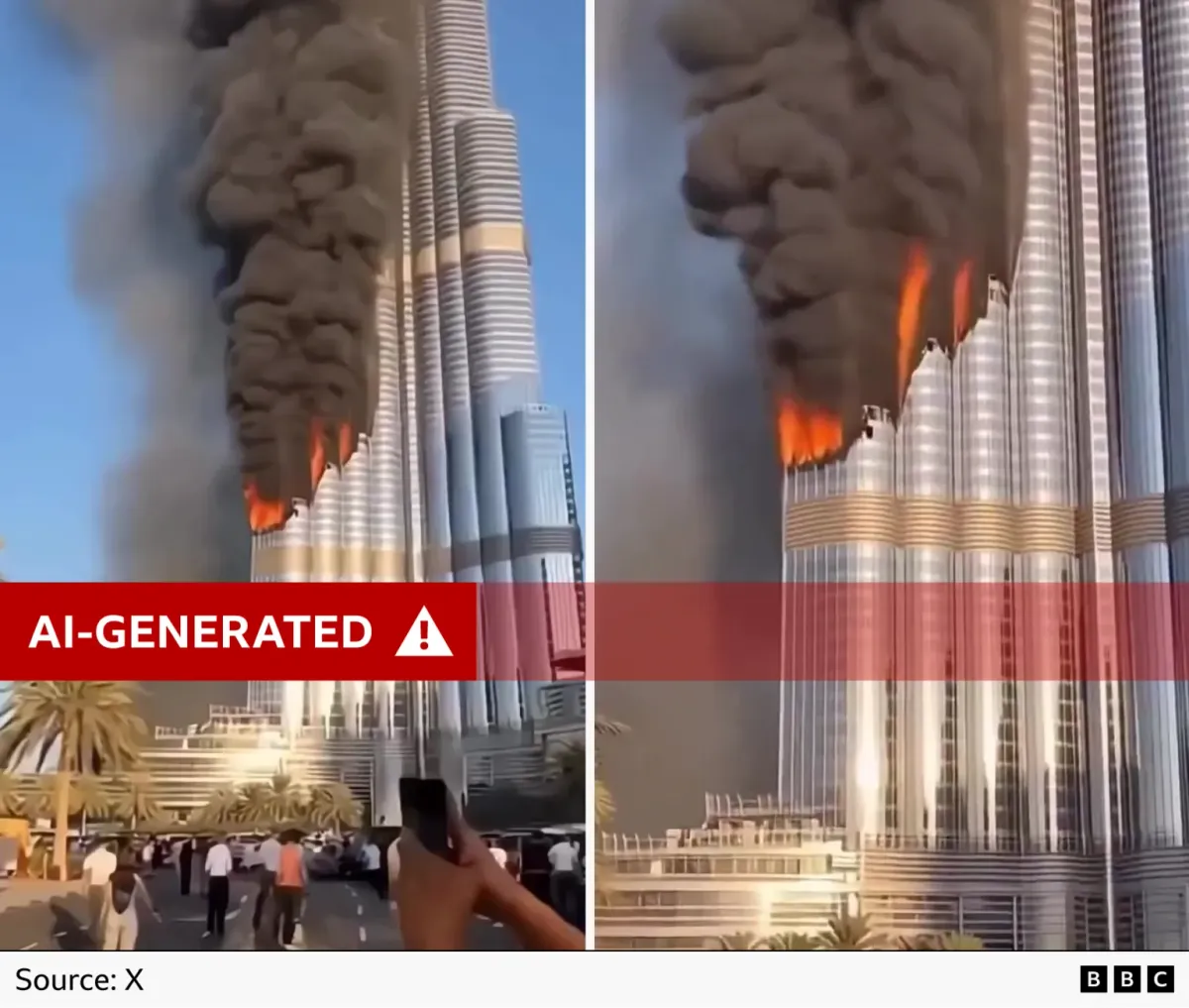
When bombs fall, the internet reacts instantly. But in the age of generative AI, war footage is no longer just captured by cameras. It is increasingly fabricated by algorithms.
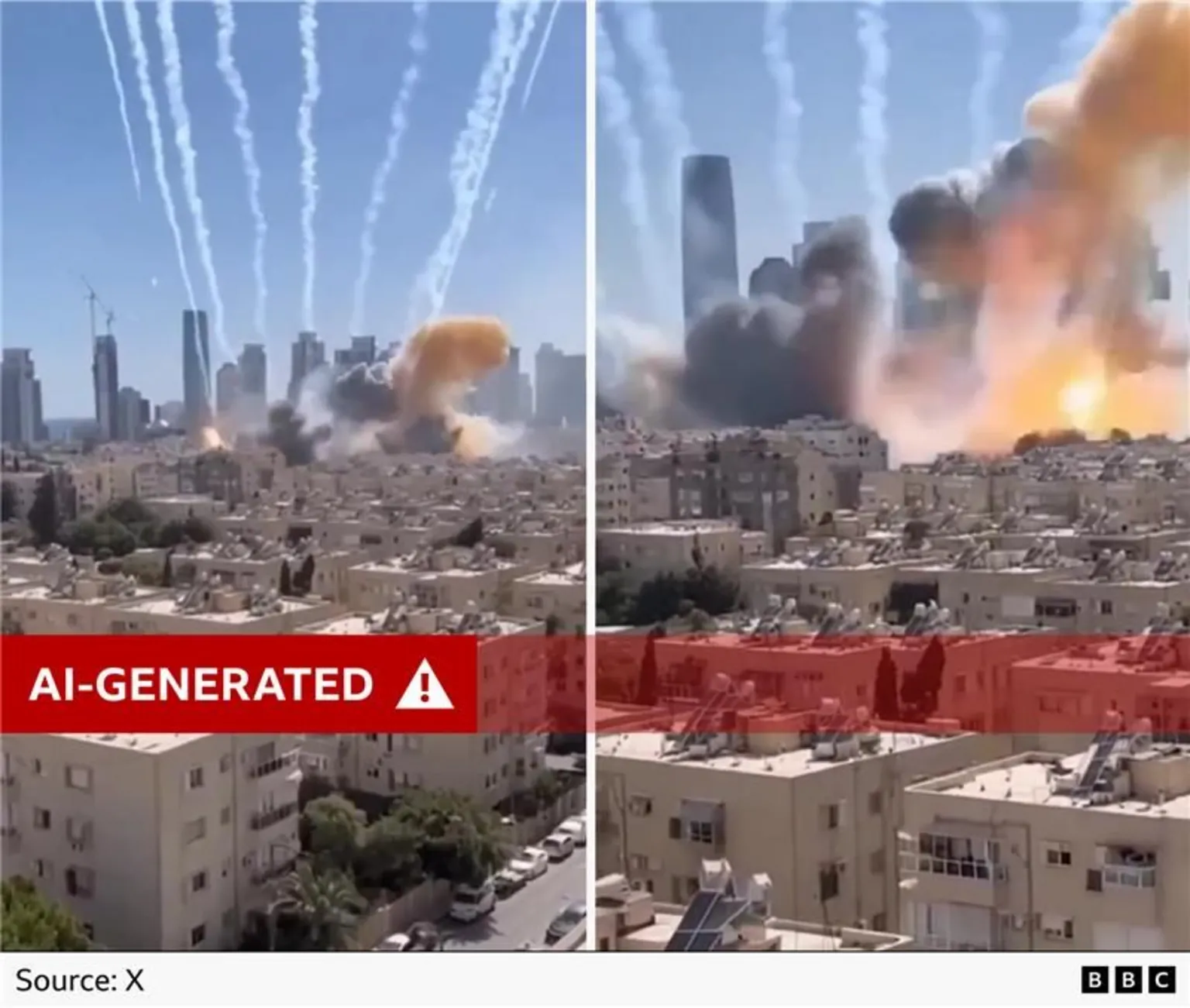
In recent weeks, AI-generated Iran war videos have flooded social media platforms, portraying dramatic missile strikes, citywide destruction, and cinematic battlefield scenes. Many of these clips are fictional yet hyper-realistic, blurring the line between news, propaganda, and digital entertainment. As tensions escalate after the United States carried out military strikes targeting Iranian facilities, content creators are turning the crisis into viral content and, in some cases, profit.
The trend highlights both the power and the danger of AI video generation tools.
The Rise of AI-Generated Iran War Videos Online
Advances in generative AI platforms such as OpenAI’s Sora, Runway, and other video synthesis tools have made it easier than ever to create convincing war footage without filming anything in the real world.
According to reporting by BBC News, creators are rapidly producing AI-generated Iran war videos depicting fictional air raids, missile launches, and devastated cities. Some videos are labeled as AI creations, but many circulate without clear disclosure.
The result is a wave of content that looks like authentic battlefield footage even though it is entirely synthetic.
Experts warn that during geopolitical crises, misinformation spreads faster than verification. AI video tools accelerate this problem by producing visuals that appear credible at first glance.
Monetizing Conflict Through Viral AI Content
Behind many of these clips lies a simple incentive: views.
Platforms like TikTok, YouTube Shorts, and Instagram Reels reward viral engagement. Creators who produce dramatic AI-generated Iran war videos often gain hundreds of thousands or even millions of views.
Higher engagement can translate into advertising revenue, sponsorship opportunities, or growth of social media channels.
This dynamic has turned geopolitical conflict into a content category. Some creators frame their videos as fictional scenarios or speculative military simulations. Others present them in ways that make viewers believe they are witnessing real war footage.
The financial incentive encourages more creators to experiment with AI war content.
The Misinformation Problem
The biggest concern surrounding AI-generated Iran war videos is confusion during real crises.
Visual media traditionally carries strong persuasive power. When viewers see explosions, jets, or missile launches, they tend to assume the footage is real. AI-generated content exploits this psychological bias.
Researchers and digital misinformation analysts warn that synthetic war videos can easily circulate alongside authentic footage, making it harder for journalists and the public to distinguish fact from fiction.
During fast-moving conflicts, inaccurate visuals can influence public perception, escalate fear, or even shape political narratives.
Ethical Concerns Around War Simulation
Beyond misinformation, critics question the ethics of transforming real-world violence into algorithmic entertainment.
For civilians affected by war, viral videos that simulate destruction can feel deeply insensitive. They may trivialize suffering or reduce geopolitical crises to internet spectacle.
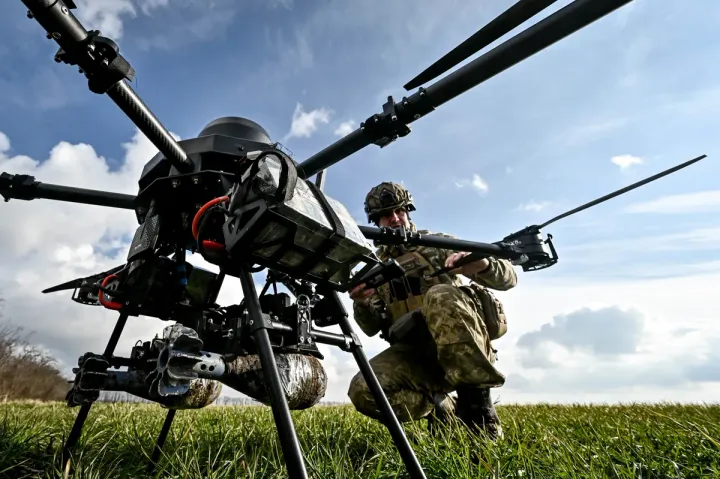
At the same time, AI video technology itself is not inherently harmful. In responsible contexts, synthetic simulations can help explain military strategy, train analysts, or illustrate complex geopolitical scenarios.
The ethical issue lies in transparency and intent.
When AI-generated Iran war videos are clearly labeled and used for educational purposes, they can inform audiences. When they are disguised as real footage, they risk becoming a powerful tool for manipulation.
Conclusion
The surge of AI-generated Iran war videos illustrates how rapidly generative media is transforming the information landscape during global conflicts.
The technology can create stunning visuals in seconds. But without clear labeling and responsible distribution, it also threatens to distort reality at the exact moment when accurate information matters most.
For audiences, the lesson is simple. In the era of AI-generated media, seeing is no longer believing.
Fast Facts: AI-Generated Iran War Videos Explained
What are AI-generated Iran war videos?
AI-generated Iran war videos are synthetic clips created using generative AI tools that simulate military attacks or war scenes involving Iran. These videos often appear realistic and can spread quickly on social media, sometimes being mistaken for real conflict footage.
Why are AI-generated Iran war videos becoming popular?
Creators produce AI-generated Iran war videos because dramatic war simulations attract large audiences online. Viral views on platforms like TikTok and YouTube can generate revenue, making conflict-related AI content financially attractive for digital creators.
What risks do AI-generated Iran war videos pose?
AI-generated Iran war videos can spread misinformation during real geopolitical crises. When synthetic footage circulates without clear labeling, viewers may mistake it for authentic news, which can distort public understanding of events.