AI Intelligentized Naval Mines and U.S. Subsea Access in the Paracel Islands
How AI intelligentized naval mines could threaten U.S. subsea access in the Paracel Islands and reshape Indo-Pacific naval strategy.
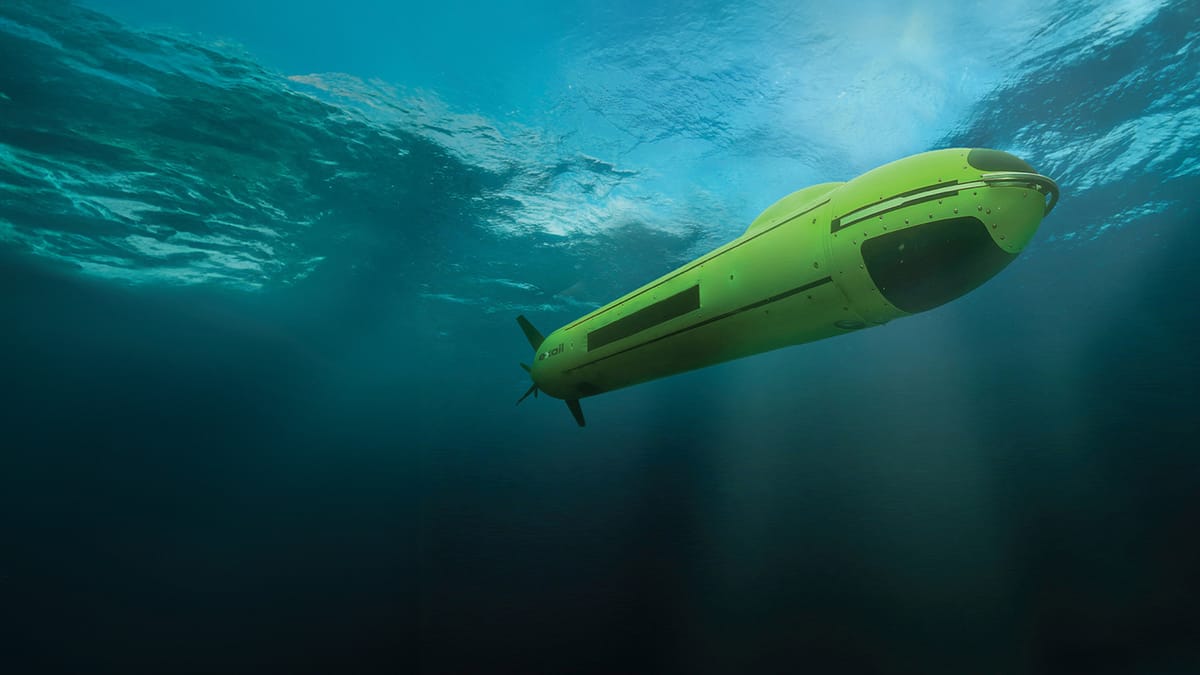
What if the next major naval standoff in the South China Sea is triggered not by warships, but by smart underwater mines that think for themselves?
That is the central concern raised in a recent analysis on AI intelligentized naval mines and U.S. subsea access in the Paracel Islands. As artificial intelligence moves from labs into live military systems, undersea warfare is quietly entering a new phase, one where autonomy, pattern recognition, and networked sensors could reshape strategic balance in contested waters.
The Strategic Importance of the Paracel Islands
The Paracel Islands sit in the northern South China Sea, a region that carries roughly one third of global maritime trade, according to estimates from the U.S. Energy Information Administration and the Center for Strategic and International Studies.
China controls the Paracels, though Vietnam and Taiwan also claim them. Over the past decade, Beijing has expanded infrastructure on features like Woody Island, including airstrips, radar systems, and missile deployments. The area has become a critical node in China’s anti access and area denial strategy.
For the United States, maintaining subsea access near the Paracels is essential. U.S. submarines rely on stealth to gather intelligence, conduct deterrence patrols, and ensure freedom of navigation. Any disruption to undersea maneuverability shifts the regional balance.
What Are AI Intelligentized Naval Mines?
AI intelligentized naval mines are not traditional moored explosives waiting for contact. They integrate machine learning, sensor fusion, and sometimes limited mobility.
Modern concepts discussed in defense research circles suggest mines equipped with acoustic and magnetic signature analysis. Instead of detonating on any vessel, they can be trained to distinguish between commercial ships and military submarines. Some could even network with other sensors or unmanned underwater vehicles.
Open source defense reporting and publications from institutions like the U.S. Naval War College highlight that autonomy in maritime systems is advancing rapidly. China has publicly emphasized intelligentized warfare as a core modernization goal in official military writings.
How AI Intelligentized Naval Mines Threaten U.S. Subsea Access in the Paracel Islands
The core risk is selectivity and persistence.
Traditional mines can be cleared or mapped over time. AI intelligentized naval mines complicate that process. If they can identify specific acoustic signatures, they could selectively target U.S. submarines while ignoring civilian traffic. That reduces political risk for the deploying state and increases operational uncertainty for adversaries.
Moreover, intelligentized systems could be deployed in layers around the Paracels, forming dynamic underwater denial zones. For U.S. forces, this raises the cost of operating undetected and increases the need for counter AI mine warfare technologies.
The result is not necessarily immediate conflict, but heightened deterrence instability. When both sides rely on opaque autonomous systems, miscalculation becomes more likely.
Ethical and Operational Concerns
Autonomous weapons are already under scrutiny at forums such as the United Nations Convention on Certain Conventional Weapons. Critics argue that delegating lethal decisions to algorithms introduces accountability gaps.
There are also technical limitations. AI models can misclassify signals in noisy maritime environments. False positives or adversarial spoofing could trigger unintended escalation.
For policymakers, the challenge is dual. Invest in countermeasures and underwater resilience, while pushing for clearer norms around autonomous naval weapons.
Conclusion: A Silent Shift Beneath the Waves
AI intelligentized naval mines and U.S. subsea access in the Paracel Islands represent a quiet but consequential evolution in maritime security. The technology blends AI, autonomy, and traditional sea denial tactics into a potent strategic tool.
For defense planners, the message is clear. Undersea dominance can no longer rely solely on stealth. It now depends on who masters intelligent autonomy below the surface.
For businesses and technologists, this trend signals rising demand in AI driven sensor systems, underwater robotics, and counter autonomous solutions. The next AI race may not be in the sky or on land, but deep underwater.