AI is Rewriting The World's Most Prolific Film Industry
AI is transforming the world’s most prolific film industry, reshaping how movies are written, produced, and consumed. From smarter scripts to digital actors, filmmaking is becoming faster, cheaper, and more data-driven than ever before.
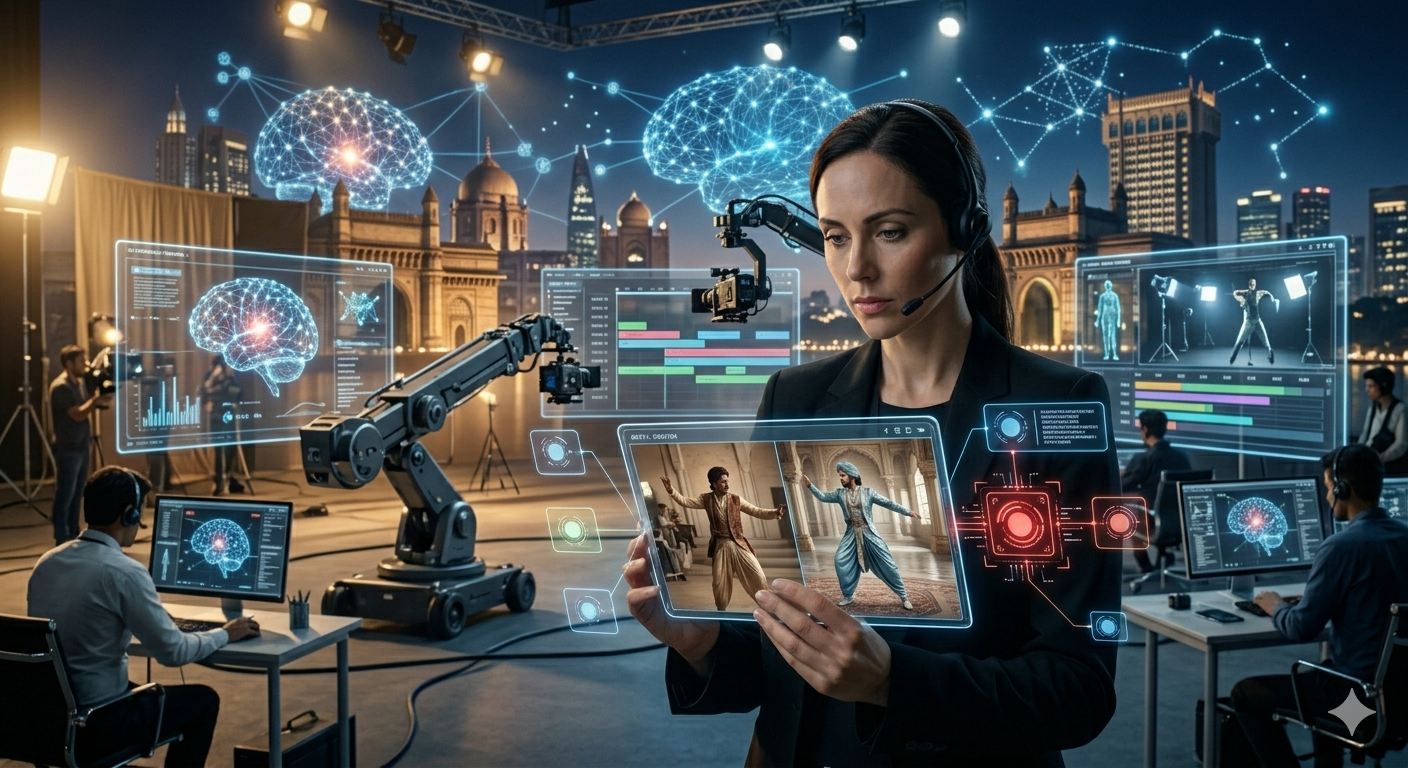
India produces more films than any other country. Now artificial intelligence is reshaping how those films are created, edited, and delivered. What was once a labor-intensive craft is becoming faster, more data-driven, and increasingly influenced by algorithms.
AI is Rewriting The World's Most Prolific Film Industry
Artificial intelligence is entering every stage of filmmaking. From early concept development to final edits, studios are using machine learning tools to improve efficiency and decision-making. This shift is not theoretical. It is already visible across production houses and streaming platforms.
From Scriptwriting to Post-Production
Writers are using AI tools to generate story ideas, refine dialogue, and analyze narrative structures. These systems can process thousands of scripts and identify patterns that resonate with audiences.
In post-production, AI is accelerating editing, color grading, and visual effects. Tasks that once required large teams can now be completed in a fraction of the time. AI-driven dubbing and lip-sync tools are also helping films reach audiences across multiple languages.
Lower Costs, Wider Access
AI is reducing production costs by automating repetitive processes such as background generation, crowd simulation, and sound design. This allows smaller studios and independent creators to compete with larger production houses.
However, increased accessibility also means more content flooding the market. Visibility is becoming a bigger challenge as competition intensifies.
Digital Actors and Ethical Questions
Studios are experimenting with AI-generated actors and digital doubles. These technologies are used for stunts, de-aging, and recreating performances.
This raises concerns about ownership and consent. Questions around who controls a digital likeness and how performers are compensated remain unresolved. Industry standards and regulations are still evolving.
Personalized Viewing Experiences
Streaming platforms are using AI to personalize recommendations and tailor content delivery. Some systems are being developed to adjust trailers or suggest edits based on viewer preferences.
This data-driven approach is influencing not just distribution but also the types of stories being produced. Audience behavior is becoming a key factor in creative decisions.
Conclusion
Artificial intelligence is changing how films are made and experienced. It offers speed, efficiency, and new creative tools, but also introduces ethical and competitive challenges. The industry is entering a phase where technology and storytelling are more closely connected than ever before.
Fast Facts: AI is Rewriting The World's Most Prolific Film Industry Explained
What does AI mean for filmmaking today?
AI is rewriting the world's most prolific film industry by automating editing, improving scripts, and speeding up production, making filmmaking more efficient and widely accessible.
Can AI replace actors and writers?
AI is rewriting the world's most prolific film industry, but it cannot replace human creativity. It supports writers and actors, while raising concerns about job security and digital ownership.
What are the biggest risks of AI in cinema?
AI is rewriting the world's most prolific film industry while creating ethical challenges around consent, ownership, and authenticity that the industry is still working to address.