AI-Powered Headset That Predicts Epilepsy Seizures Could Change Millions of Lives
Discover how an AI-powered headset predicts epilepsy seizures, offering early warnings and transforming neurological care worldwide.
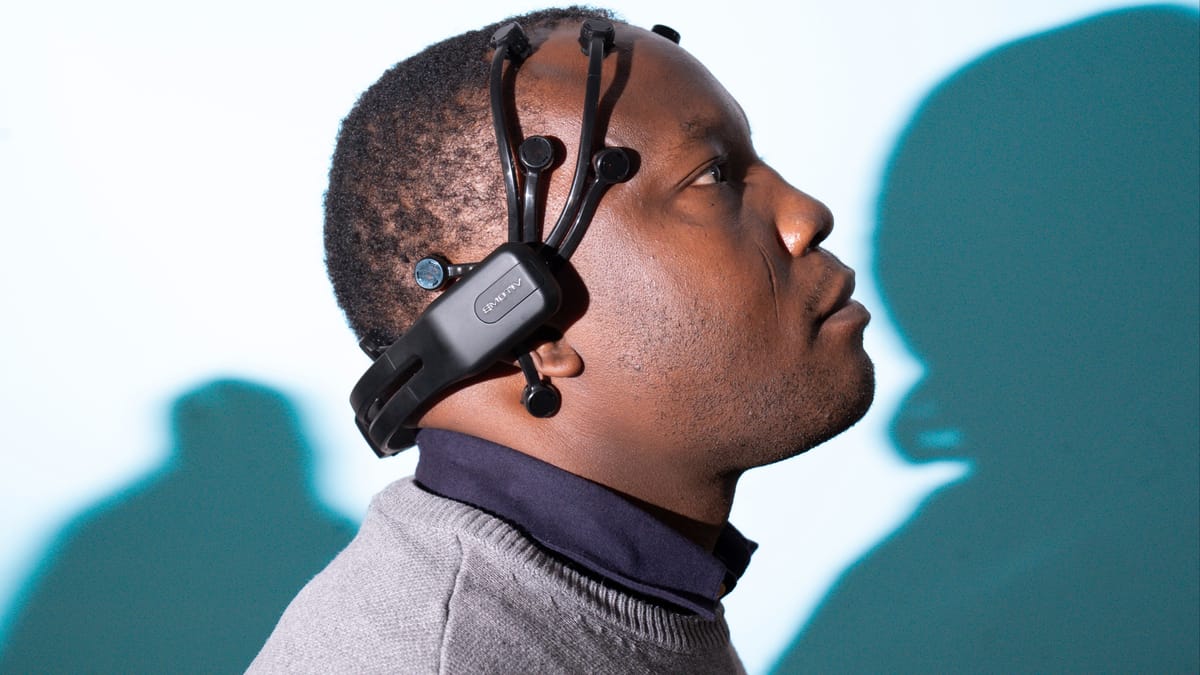
What if a simple wearable device could warn someone minutes before a life-threatening seizure strikes?
That is the promise behind a new AI-powered headset that predicts epilepsy seizures, developed by researchers at Glasgow Caledonian University in Scotland aiming to transform how neurological disorders are managed. For the 50 million people worldwide living with epilepsy, according to the World Health Organization, unpredictability is often the most dangerous symptom. This breakthrough could shift care from reactive to preventive.
How the AI-Powered Headset Predicts Epilepsy Seizures
The AI-powered headset that predicts epilepsy seizures works by continuously monitoring brain activity using electroencephalography, or EEG. Traditional EEG systems are bulky and hospital-based. This device is wearable and designed for everyday use.
Machine learning algorithms analyze subtle electrical patterns in the brain. Studies published in journals such as The Lancet Neurology and reports covered by MIT Technology Review have shown that AI models can detect pre-seizure neural signatures minutes before clinical symptoms appear.
In this case, the researchers trained the model on large EEG datasets to identify patterns that typically precede seizures. When the system detects these warning signs, it sends an alert, giving users time to sit down, take medication, or notify caregivers.
Why Seizure Prediction Matters
Epilepsy is not just about seizures. It is about uncertainty.
Uncontrolled seizures can lead to injuries, social stigma, and in rare cases sudden unexpected death in epilepsy, known as SUDEP. According to the Centers for Disease Control and Prevention, about 1 in 10 people will experience a seizure in their lifetime, though not all develop epilepsy.
An AI-powered headset that predicts epilepsy seizures offers practical benefits:
- Early warnings that reduce injury risk
- Greater independence for patients
- Real-time data for neurologists
- Potential reduction in emergency hospital visits
This could be particularly impactful in low-resource regions where continuous medical monitoring is not accessible.
The Science Behind AI Seizure Forecasting
The backbone of this innovation is artificial intelligence trained on neural time-series data. Deep learning models, similar to those used in speech and image recognition, identify patterns too subtle for human clinicians to see.
Companies and institutions like OpenAI and Google AI have demonstrated how large neural networks can detect complex signals across massive datasets. In healthcare, that capability translates into pattern recognition in EEG signals.
However, accuracy remains critical. Even a small false positive rate can cause anxiety. False negatives could be dangerous. Researchers report promising sensitivity rates, but broader clinical trials are needed before mass deployment.
Limitations and Ethical Questions
While the AI-powered headset that predicts epilepsy seizures shows promise, it is not a cure.
Key challenges include:
- Ensuring consistent accuracy across diverse patients
- Protecting sensitive neurological data
- Making the device affordable
- Regulatory approvals from medical authorities
Data privacy is especially important. Brainwave data is deeply personal. Any large-scale deployment must follow strict health data standards.
What This Means for the Future of Wearable AI
Wearable AI is moving beyond fitness tracking into predictive healthcare. From heart rhythm detection in smartwatches to glucose monitoring sensors, proactive medicine is becoming mainstream.
If validated through large-scale trials, the AI-powered headset that predicts epilepsy seizures could represent a major step toward personalized neurological care. It signals a broader trend where AI does not just diagnose disease but anticipates it.
Actionable Takeaways
- Patients should consult neurologists before relying on any predictive device.
- Investors and health startups should monitor seizure prediction AI as a high-growth sector.
- Policymakers must prepare for ethical frameworks around brain-data privacy.
The future of medicine may not just treat symptoms. It may predict them.


