Amazon Increasing Investment in Robotics to Reduce Warehouse Labor Dependency
Amazon is accelerating its robotics investments to streamline warehouse operations, cut costs, and reduce reliance on human labor. The move signals a major shift in logistics, with implications for jobs, efficiency, and the future of supply chains.
What happens when the world’s largest e-commerce company decides humans are no longer the most efficient option? Amazon is already answering that question with aggressive automation.
The shift toward Amazon increasing investment in robotics to reduce warehouse labor dependency is no longer theoretical. It is happening across its global fulfillment network. With more than 750,000 robots deployed, the company is reshaping how goods are stored, picked, and shipped.
Why Amazon Is Accelerating Robotics Investment
Amazon’s logistics system is massive and costly. Rising labor expenses, high employee turnover, and the need for faster deliveries have pushed the company toward automation.
Robotics offers consistent performance. Machines can operate continuously, reduce errors, and handle repetitive tasks at scale. Amazon has reported improved fulfillment efficiency and lower cost per shipment through automation.
The strategy behind Amazon increasing investment in robotics to reduce warehouse labor dependency is rooted in long-term scalability. Robots do not take breaks, and they adapt well to standardized environments.
How Robotics Is Transforming Warehouse Operations
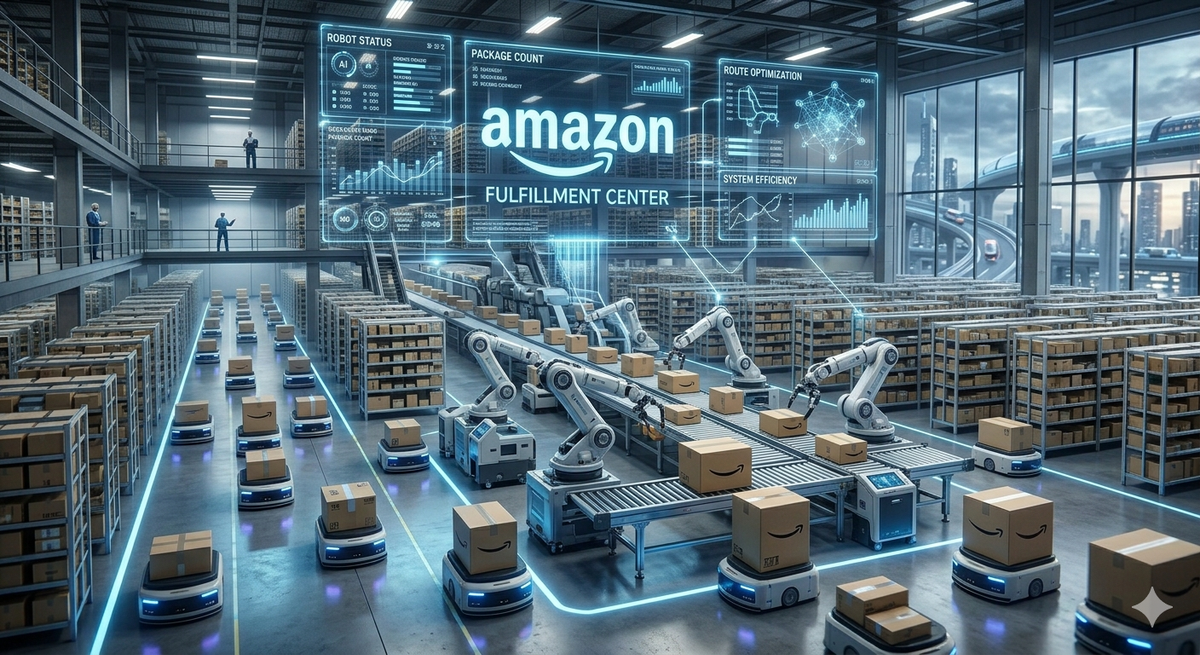
Modern Amazon warehouses now rely heavily on robotic systems. Autonomous robots transport inventory shelves across facilities. Robotic arms sort and package items with increasing precision.
Systems like Sparrow can identify and pick millions of products, while mobile robots navigate warehouse floors without human intervention. AI-powered vision systems also help detect damaged goods and optimize sorting.
This transformation is not incremental. It is a redesign of warehouse infrastructure centered around automation.
Amazon Increasing Investment in Robotics to Reduce Warehouse Labor Dependency and Its Workforce Impact
The benefits of automation come with trade-offs. While Amazon highlights the creation of technical and maintenance roles, concerns about job displacement remain significant.
Labor groups argue that automation reduces demand for entry-level warehouse workers. At the same time, remaining employees may face increased productivity expectations in tech-driven environments.
The discussion around Amazon increasing investment in robotics to reduce warehouse labor dependency reflects a broader tension between efficiency and employment.
What This Means for the Logistics Industry
Amazon’s approach is influencing competitors and setting new industry standards. Companies across logistics and retail are increasing investments in robotics to remain competitive.
Automation is becoming a baseline expectation rather than a competitive advantage. Businesses that fail to adopt these technologies risk falling behind in speed, cost, and operational efficiency.
For workers, the shift highlights the need for new skills in robotics management, AI systems, and technical maintenance.
Conclusion
Amazon’s growing reliance on robotics marks a turning point in supply chain evolution. The efficiency gains are clear, but the broader implications for employment and workforce structure remain unresolved.
The rise of Amazon increasing investment in robotics to reduce warehouse labor dependency is shaping the future of logistics, redefining how work is performed, and challenging how economies adapt to automation.