Amazon India restructuring logistics network to cut last-mile delivery costs
Amazon India is redesigning its logistics and delivery ecosystem to reduce last-mile expenses, improve speed, and boost efficiency across its massive e-commerce network.
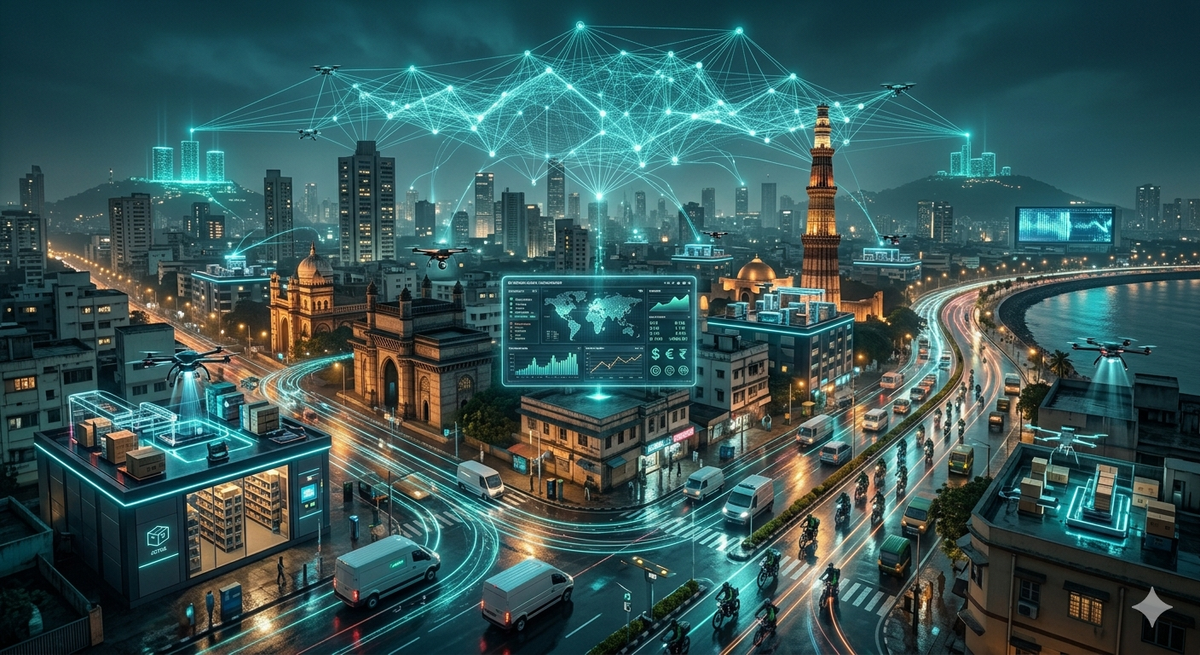
Is Amazon quietly rebuilding its delivery machine in India to stop bleeding money on every doorstep drop? Because that is exactly what is happening under the surface. The company is actively pushing Amazon India restructuring logistics network to cut last-mile delivery costs, and it is less “routine optimization” and more “fix this before it eats profits alive.”
Why last-mile delivery is the real money pit
Last-mile delivery sounds simple until you actually try doing it in India, where addresses can be vague, traffic is chaotic, and demand is wildly uneven. It is the most expensive part of e-commerce logistics, and Amazon knows it.
The entire push behind Amazon India restructuring logistics network to cut last-mile delivery costs is rooted in one brutal reality: moving a package from a warehouse to a local hub is cheap, but getting it from that hub to an actual human being is where margins disappear.
Fuel costs, fragmented delivery zones, and inconsistent density make every extra kilometer a financial headache. Multiply that across millions of orders and you get the problem Amazon is trying to aggressively shrink.
Smarter hubs, closer to customers
One of the biggest shifts in Amazon India restructuring logistics network to cut last-mile delivery costs is the move toward hyperlocal fulfillment. Instead of depending heavily on large centralized warehouses, Amazon is increasing smaller distribution nodes closer to demand hotspots.
This reduces travel distance and increases delivery frequency efficiency. In simple terms, packages stop taking scenic tours across cities before reaching customers.
The restructuring also strengthens Amazon’s partner delivery ecosystem, relying more on localized logistics operators who already understand regional routes better than any centralized system ever could.
AI is quietly running the show
Behind the scenes, algorithms are doing more heavy lifting than most people realize. Route optimization systems now analyze traffic, delivery density, and order patterns in real time.
This is a core pillar of Amazon India restructuring logistics network to cut last-mile delivery costs. Every micro-optimization matters. Even shaving a few minutes per route can scale into massive savings across millions of deliveries.
Predictive analytics also helps position inventory closer to expected demand clusters. That means fewer long-distance transfers and faster turnaround times for customers.
What changes for sellers, drivers, and customers
Sellers may benefit from faster fulfillment cycles and potentially improved shipping economics over time. But the system is also becoming more tightly optimized, which means less room for inefficiency anywhere in the chain.
Delivery partners sit in the most pressured zone of Amazon India restructuring logistics network to cut last-mile delivery costs. Routes are getting smarter, but also more performance-driven. Efficiency is rewarded, delays are not ignored.
Customers, meanwhile, get the most visible payoff: faster and more predictable deliveries, especially in dense urban areas. Rural coverage, however, remains structurally challenging despite all optimization efforts.
The bigger strategy behind the cost cutting
This is not just about saving money on delivery vans. It is about defending dominance in India’s hyper-competitive e-commerce market, where speed and price decide everything.
Amazon India restructuring logistics network to cut last-mile delivery costs is essentially a long-term bet that whoever controls the fastest and cheapest delivery network wins the entire market. No surprises there. Logistics is the real battlefield, not flashy apps or discounts.
If the strategy works, it will quietly reset expectations for delivery standards across India’s online retail ecosystem.