Amazon Sellers Raising Concerns Over Rising Fees and Shrinking Margins
As costs climb and profits tighten, small businesses on Amazon are questioning whether the platform still works in their favor.
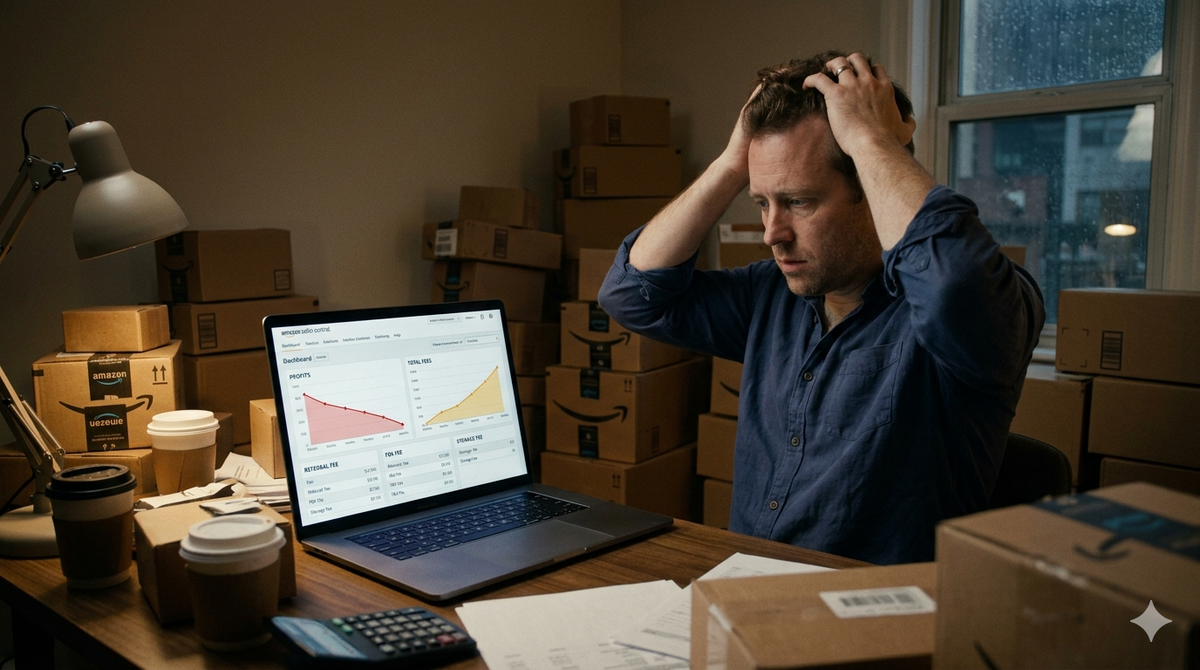
What happens when selling on the world’s largest marketplace starts to feel unsustainable? That tension is growing as Amazon sellers raising concerns over rising fees and shrinking margins becomes a defining issue for online businesses.
For many sellers, the promise of scale and visibility on Amazon is now overshadowed by increasing costs. Profitability is tightening, and the pressure is forcing difficult decisions.
The Cost of Selling on Amazon Keeps Climbing
Amazon’s fee structure has evolved steadily over the years. Sellers today face referral fees, fulfillment costs, storage charges, and rising advertising expenses. Combined, these can take up a significant portion of revenue.
Industry estimates suggest that total selling costs can reach 40 to 50 percent of a product’s price. Fulfillment by Amazon fees have increased multiple times since 2020, driven by inflation and higher logistics expenses.
For small and medium sellers, these increases directly impact margins.
Amazon Sellers Raising Concerns Over Rising Fees and Shrinking Margins
This issue goes beyond individual frustration. It reflects a broader shift in how e-commerce operates. Sellers who once relied heavily on Amazon are now questioning whether the platform still offers sustainable growth.
Higher advertising costs add to the challenge. Many sellers must spend more on promotions just to maintain product visibility. New entrants face even steeper barriers, making competition more intense.
As margins shrink, some sellers are increasing prices or reducing costs elsewhere, which can affect product quality and customer experience.
Shift Toward Diversification
In response, many sellers are exploring alternatives. Direct-to-consumer websites and platforms like Shopify are gaining attention as sellers look for more control over branding and customer relationships.
Diversification helps reduce dependency on a single platform. However, Amazon’s massive customer base and logistics network still make it difficult to leave entirely.
Most sellers are choosing a hybrid approach, keeping Amazon as a key channel while expanding elsewhere.
Amazon’s Position and Market Reality
Amazon argues that its fees reflect the value it provides, including fast delivery, warehousing, and access to a global audience. The company has also faced rising operational costs due to inflation and supply chain disruptions.
While these factors are real, critics point out that Amazon’s scale gives it significant control over pricing. Sellers often have limited ability to negotiate or push back against fee increases.
Adapting to a New E-commerce Reality
Sellers are adjusting strategies to survive. Many are focusing on higher-margin products, optimizing pricing, and carefully managing advertising budgets. Others are investing in brand building outside Amazon to reduce long-term risk.
Efficiency is becoming essential. Sellers who can manage costs and diversify revenue streams are better positioned to handle ongoing changes.
Conclusion
Amazon sellers raising concerns over rising fees and shrinking margins highlights a turning point in digital commerce. The platform remains dominant, but the economics are shifting.
Sellers must adapt quickly to stay profitable, while Amazon faces the challenge of maintaining a healthy ecosystem. The balance between scale and sustainability is becoming harder to maintain.
Fast Facts: Amazon sellers raising concerns over rising fees and shrinking margins Explained
What does this issue mean for sellers?
Amazon sellers raising concerns over rising fees and shrinking margins means many businesses are struggling to maintain profits as costs on the platform continue to increase.
Why are sellers speaking up now?
Amazon sellers raising concerns over rising fees and shrinking margins are reacting to repeated fee hikes, rising ad costs, and inflation that together reduce profitability.
What could happen if this continues?
Amazon sellers raising concerns over rising fees and shrinking margins could lead to higher prices, fewer sellers, and reduced competition across the marketplace.