Anthropic Says Chinese Companies Misused Claude AI, Elon Musk Reacts
As Anthropic alleges Chinese firms misused Claude AI, the battle over who controls frontier artificial intelligence just escalated.
What happens when advanced AI models cross borders faster than regulation can keep up?
That question took center stage after Anthropic said Chinese companies misused Claude AI, sparking a wider debate about AI security, export controls, and geopolitical rivalry. The allegation, first reported by LiveMint, has intensified scrutiny around how leading AI systems are accessed and deployed globally.
The controversy also drew commentary from Elon Musk, adding another layer of visibility to an already sensitive issue.
What Is Claude AI and Why It Matters
Anthropic is the company behind Claude, a large language model positioned as a safer alternative to other frontier AI systems. Founded by former OpenAI researchers, Anthropic emphasizes AI alignment and responsible deployment.
Claude competes with models developed by OpenAI and Google AI. According to industry analyses from outlets such as MIT Technology Review, frontier models like Claude are capable of advanced reasoning, coding, summarization, and multilingual analysis.
That capability makes them valuable across sectors, including finance, defense research, cybersecurity, and biotech. It also makes them sensitive.
Anthropic Says Chinese Companies Misused Claude AI
The core issue is this: Anthropic says Chinese companies, namely—DeepSeek, MiniMax, and Moonshot are ‘illicitly’ using its Claude model outputs to train their own systems. While full technical details have not been publicly disclosed, the company indicated that certain actors may have attempted to bypass safeguards or use the model for restricted purposes.
AI companies typically impose usage rules prohibiting military, surveillance, or prohibited data processing applications. The concern is not simply misuse at an individual level, but the potential scaling of frontier AI tools in ways that conflict with export restrictions and national security frameworks.
This development comes amid heightened US scrutiny over advanced semiconductor exports and AI technologies to China. The US government has already restricted the sale of high performance chips used to train and run large AI systems.
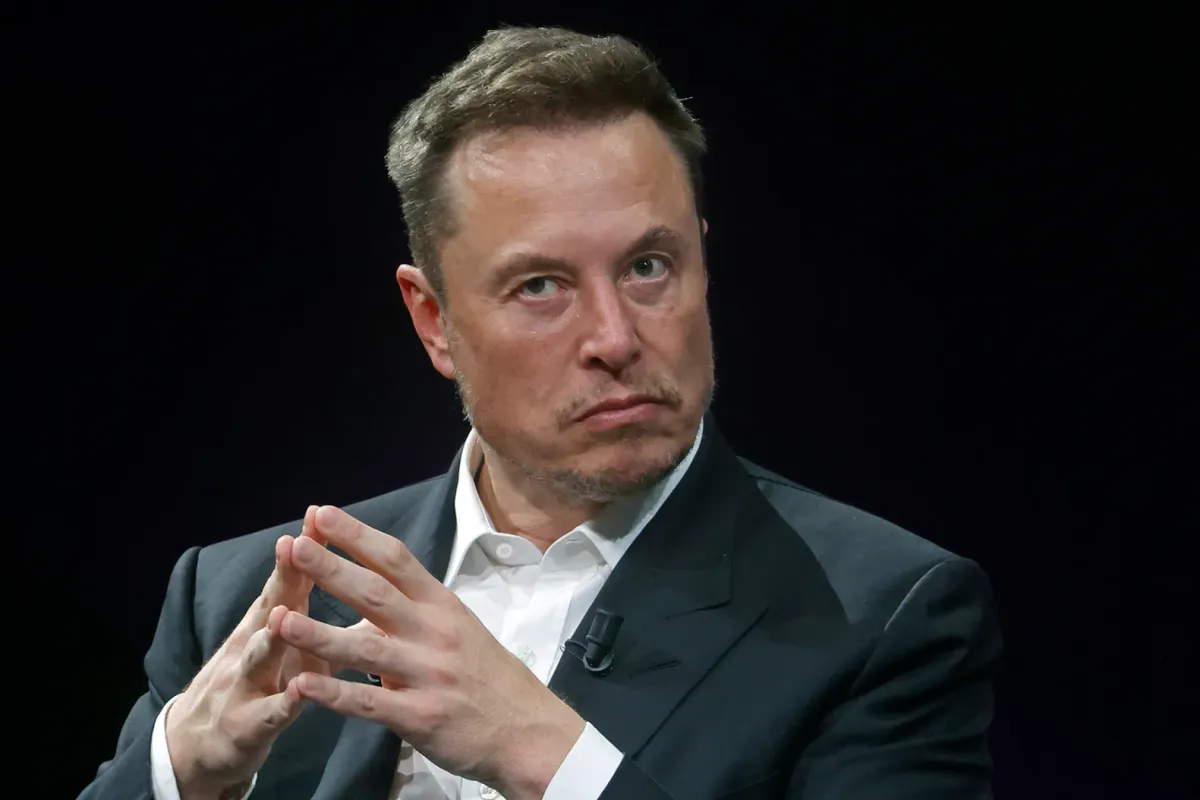
Elon Musk Weighs In on AI Security
Anthropic is guilty of stealing training data at massive scale and has had to pay multi-billion dollar settlements for their theft. This is just a fact. https://t.co/EEtdsJQ1Op
— Elon Musk (@elonmusk) February 23, 2026
Elon Musk reacted publicly to the reports, reinforcing his long standing concerns about uncontrolled AI development. Musk has repeatedly warned about the risks of advanced AI systems falling into the wrong hands.
His commentary reflects a broader divide in the tech industry. Some leaders argue that open innovation accelerates progress. Others emphasize tight access controls to prevent misuse.
The situation involving Claude AI illustrates how that debate is no longer theoretical. It is operational and geopolitical.
The Bigger Picture: AI Governance and Global Tensions
When Anthropic says Chinese companies misused Claude AI, it highlights a structural problem. AI models are distributed digitally, often via APIs. That makes enforcement complex.
Even with geofencing, API monitoring, and compliance checks, sophisticated actors may attempt workarounds. This raises pressing questions:
- How enforceable are AI usage policies globally?
- Should frontier AI models be treated like controlled dual use technologies?
- Can private companies realistically police state linked misuse?
Regulators in the US, Europe, and Asia are racing to craft AI governance frameworks. Yet the pace of AI capability development continues to outstrip policy clarity.
What Businesses and Policymakers Should Watch
First, expect stricter verification protocols for enterprise AI access.
Second, anticipate deeper collaboration between AI labs and national security agencies.
Third, prepare for tighter compliance requirements in cross border AI deployments.
For startups and enterprises, the message is clear. AI access is becoming not just a technical question, but a geopolitical one.
Conclusion
The claim that Anthropic says Chinese companies misused Claude AI is more than a headline. It signals a turning point in how frontier AI systems are governed, monitored, and politically framed.
As AI models grow more capable, the tension between openness and control will only intensify. The next phase of AI competition may be defined less by model size and more by who gets access, and under what conditions.
Fast Facts: Anthropic's Accusation Explained
What is Anthropic alleging?
It means Anthropic alleges certain Chinese firms violated usage rules tied to Claude AI, possibly bypassing safeguards or using it for restricted applications.
Why is Claude AI considered sensitive technology?
Because when Anthropic says Chinese companies misused Claude AI, it underscores that frontier models can support advanced research, cybersecurity, and potentially military use.
What are the risks highlighted in this controversy?
The issue behind Anthropic says Chinese companies misused Claude AI raises concerns about enforcement limits, export controls, and how private AI labs manage global access.