Apple accelerating work on on-device AI features ahead of its next iPhone cycle
Apple is fast-tracking on-device AI to power its next iPhone, focusing on privacy, speed, and offline intelligence. Here’s what it means for users and the broader AI race.
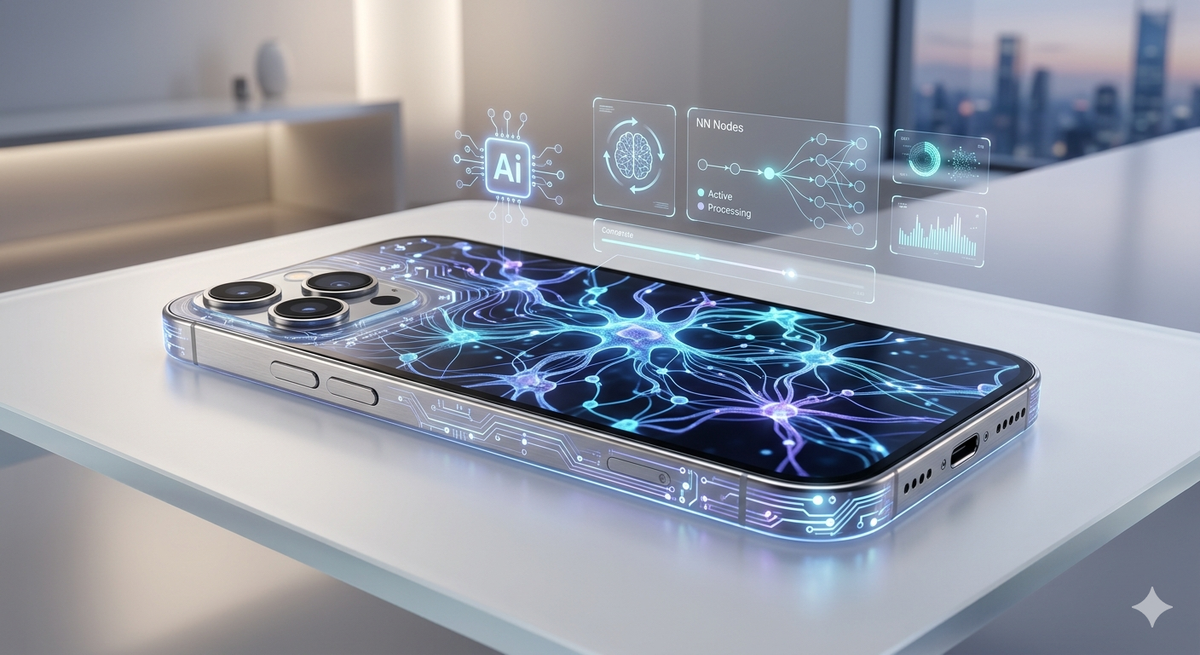
You can almost hear the clock ticking in Cupertino. If artificial intelligence is the next battleground, Apple is clearly done sitting on the sidelines.
Apple is ramping up its AI ambitions, focusing heavily on running intelligence directly on devices instead of relying on the cloud. Industry reports and analyst insights suggest the company is accelerating development of on-device AI capabilities ahead of its next iPhone cycle. The goal is simple. Faster performance, stronger privacy, and tighter ecosystem control.
Why Apple Is Prioritizing On-Device AI
Apple has long positioned itself as a privacy-first company. Processing data locally instead of sending it to external servers fits that narrative perfectly. Features like Face ID and parts of Siri already operate using on-device machine learning, powered by Apple’s Neural Engine.
Now the company is expanding that approach into more advanced AI use cases. This includes generative capabilities, contextual understanding, and real-time processing. The advantage is speed and privacy. The limitation is hardware constraints compared to cloud-based systems.
What Features Could Arrive Next
With each new iPhone chip, Apple has quietly improved its machine learning capabilities. The next cycle is expected to make those improvements more visible to users.
- Real-time language translation without internet
- Advanced photo and video editing powered by AI
- Smarter Siri with improved conversational abilities
- AI-assisted writing tools across native apps
Reports from Bloomberg indicate Apple is also exploring ways to integrate large language models into its ecosystem, with some level of on-device execution. This would mark a major shift in how users interact with their devices.
How Apple’s Strategy Differs
While companies like Google and OpenAI rely heavily on cloud infrastructure, Apple is taking a hybrid approach. Core tasks will run locally, while more complex processing may still use cloud support.
This strategy reduces latency and enhances user control over data. It also creates a more seamless experience, where AI feels integrated rather than accessed through separate tools.
However, smaller on-device models may struggle with highly complex queries. Apple will need to optimize performance without compromising battery life or device temperature.
Challenges and Ethical Considerations
On-device AI is not a perfect solution. Limited processing power can restrict model capabilities, especially for advanced generative tasks. There is also the issue of transparency, as Apple’s closed ecosystem makes independent evaluation difficult.
From an ethical perspective, local processing reduces data exposure but does not eliminate risks like bias or inaccurate outputs. Smaller models can still produce flawed results, and users may not always understand their limitations.
What This Means Going Forward
For users, this shift could redefine how AI is experienced on smartphones. Faster responses, offline functionality, and improved privacy could make AI tools feel more natural and less intrusive.
For the broader industry, it signals a split in strategy. While some companies push toward larger cloud-based models, Apple is betting on efficiency, integration, and control.
If successful, AI will become an invisible layer built into everyday interactions. If not, it risks falling behind more powerful cloud-driven systems. Either way, the next iPhone cycle will be a critical test of Apple’s long-term AI vision.