Apple Accelerating Work on On-Device AI to Compete with Cloud-Based Models
Apple is quietly reshaping the AI race. Instead of chasing bigger cloud models, it is betting on something far more personal. Your device. The question is whether this strategy can outpace giants already dominating the cloud.
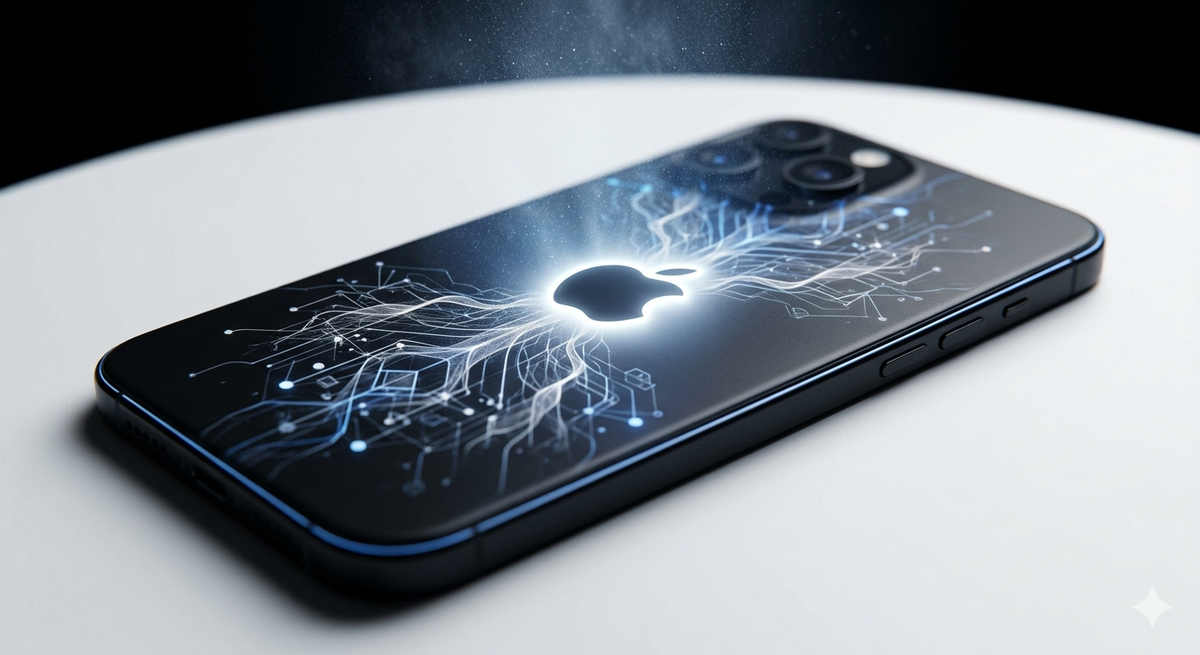
What if the future of AI wasn’t in massive data centers, but sitting quietly in your pocket? Apple is betting exactly on that. While competitors race to build larger cloud-based models, Apple is accelerating work on on-device AI to compete with cloud-based models, shifting intelligence closer to the user.
This strategy reflects a deeper shift in how artificial intelligence is delivered. Instead of sending data to remote servers, Apple is focusing on processing tasks directly on devices like iPhones and Macs. The goal is simple: faster performance, stronger privacy, and less reliance on constant internet connectivity.
Why Apple Is Betting on On-Device AI
Apple’s approach is rooted in its long-standing privacy philosophy. By keeping AI processing on the device, user data stays local rather than being transmitted to external servers. This reduces exposure to data breaches and aligns with growing global concerns around data security.
Hardware plays a key role in this shift. Apple Silicon chips, particularly the Neural Engine, are designed to handle advanced machine learning tasks efficiently. These chips can perform trillions of operations per second, enabling real-time AI features without needing cloud support.
The result is lower latency and faster response times, especially for everyday tasks.
Competing with Cloud-Based AI Models
Apple accelerating work on on-device AI to compete with cloud-based models is also a direct response to the dominance of cloud AI systems. Companies like Google and OpenAI rely on large-scale infrastructure to power their models, which allows for greater complexity but introduces delays and higher operational costs.
Apple is taking a different route by developing smaller, optimized models that can run efficiently on consumer devices. These models prioritize speed and personalization over sheer scale.
While they may not match the raw power of cloud systems, they offer a more seamless and private user experience.
Real-World Applications Already in Use
Apple’s on-device AI strategy is already visible in several features. Siri can process certain commands locally, reducing response time and improving privacy. Live Text and photo recognition tools use on-device machine learning to analyze images instantly.
These features highlight how AI can function without constant cloud interaction. As Apple continues accelerating work on on-device AI to compete with cloud-based models, more advanced capabilities are expected to move onto the device.
This includes areas like real-time translation, predictive typing, and potentially generative AI tools tailored for personal use.
Limitations and Challenges
On-device AI is not without its drawbacks. Smaller models have limited capacity compared to large cloud-based systems. Complex tasks that require extensive data processing still depend on cloud infrastructure.
There is also a hardware limitation. Advanced AI features may only be available on newer devices, creating a gap between users with different generations of hardware.
From an ethical perspective, while on-device AI enhances privacy, it can reduce transparency. Users may not fully understand how decisions are made locally without external oversight.
The Future of AI Could Be Hybrid
Apple’s strategy suggests a future where AI is split between device and cloud. Everyday tasks could be handled locally for speed and privacy, while more complex processes remain in the cloud.
This hybrid model could redefine how users interact with AI, making it more responsive and personal. It also opens new opportunities for developers to create lightweight applications that run efficiently on consumer hardware.
Apple accelerating work on on-device AI to compete with cloud-based models is not just a technical shift. It represents a broader change in how intelligence is distributed and experienced.
Instead of relying solely on massive infrastructure, the next phase of AI may live much closer to the user.
Conclusion
Apple is not trying to outscale its competitors in the cloud. It is focusing on delivering smarter, faster, and more private AI experiences directly on devices. While limitations remain, this approach could reshape expectations around performance and privacy.
The real competition is no longer just about building bigger models. It is about building better experiences.
Fast Facts: Apple Accelerating Work on On-Device AI to Compete with Cloud-Based Models Explained
What does Apple’s on-device AI strategy mean?
Apple accelerating work on on-device AI to compete with cloud-based models means AI tasks are processed directly on devices, improving speed, privacy, and offline functionality without relying heavily on cloud servers.
How is Apple different from cloud AI companies?
Apple accelerating work on on-device AI to compete with cloud-based models focuses on smaller local models, while competitors rely on large cloud systems that offer more power but depend on internet access and data transfer.
What are the main limitations of on-device AI?
Apple accelerating work on on-device AI to compete with cloud-based models faces limits in scale and complexity, as local models cannot yet match the reasoning power and data access of large cloud-based AI systems.