Apple Preparing to Bring Generative AI Features Directly into iOS Ecosystem
Apple is quietly reshaping its AI strategy, preparing to embed generative AI directly into iOS. From smarter Siri to on-device intelligence, here’s what it means for users and the tech landscape.
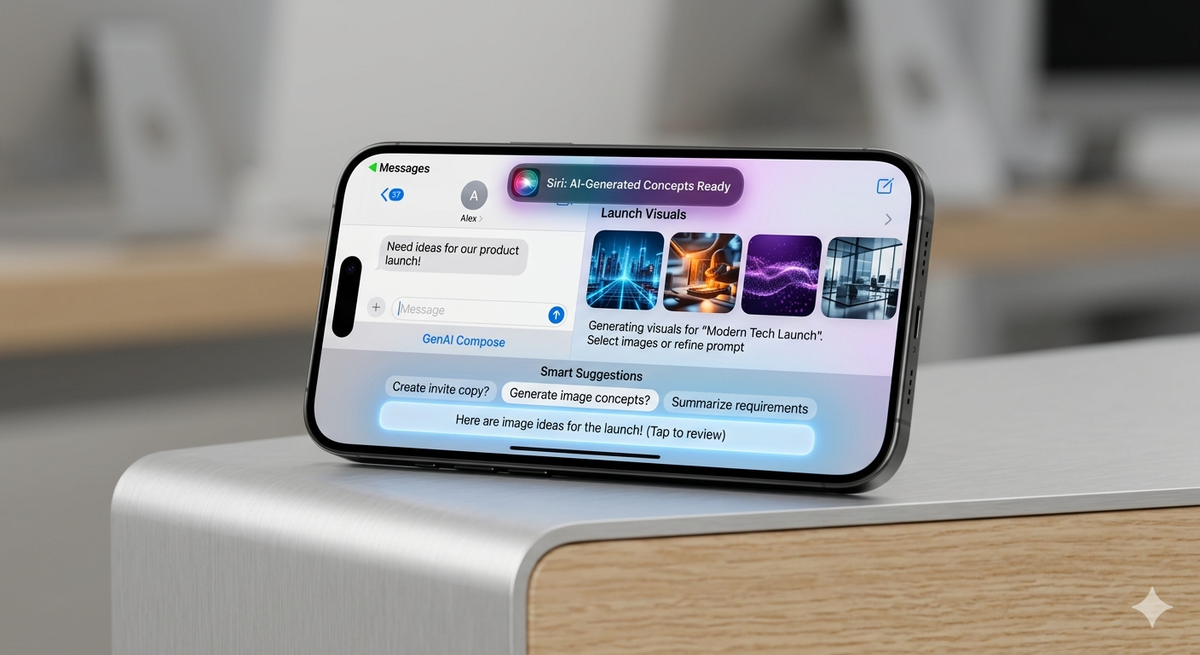
What happens when the most controlled mobile ecosystem finally embraces generative AI? Apple is preparing to bring generative AI features directly into iOS ecosystem, a move that could redefine how users interact with their iPhones daily.
While competitors have pushed aggressive AI rollouts, Apple has taken a slower route. Industry analysts suggest this is intentional. The company is prioritizing privacy, efficiency, and seamless integration over rushing features to market.
A Strategic Shift Toward Built-In Intelligence
Apple’s approach to AI has always been different. Instead of relying heavily on cloud infrastructure, the company is focusing on on-device processing. This allows user data to remain secure while still enabling intelligent features.
Reports indicate Apple is developing its own large language models and enhancing its silicon chips to handle AI workloads locally. This aligns with its long-standing emphasis on privacy and control.
How Apple Preparing to Bring Generative AI Features Directly into iOS Ecosystem Will Change User Experience
The integration of generative AI features directly into iOS ecosystem could impact several core applications:
- Siri: A more conversational assistant capable of summarizing content, generating responses, and handling complex tasks.
- Writing Tools: AI-assisted drafting and editing in apps like Mail, Notes, and Messages.
- Photos: Smarter editing tools, automated enhancements, and AI-generated visuals.
- Personalization: iOS adapting in real time to user behavior and preferences.
Instead of standalone AI apps, Apple is embedding intelligence into everyday workflows. This could make AI feel less like a feature and more like a natural extension of the device.
Privacy vs Capability Trade-Off
Apple’s decision to prioritize on-device AI comes with trade-offs. While it enhances privacy, it may limit the complexity of models compared to cloud-based systems used by competitors.
Advanced generative AI often requires massive computational power, which is easier to deliver through cloud infrastructure. Apple’s challenge is to deliver comparable performance without compromising its privacy standards.
Risks and Limitations
Generative AI still faces fundamental issues that Apple cannot avoid:
- Accuracy: AI-generated outputs can still produce incorrect or misleading information.
- Hardware Dependence: Advanced features may only work on newer devices with powerful chips.
- Ethical Concerns: Content generation raises risks around misinformation and misuse.
Despite these challenges, Apple’s scale gives it a unique advantage. With over a billion active devices, even gradual AI integration could reshape user expectations globally.
Conclusion
Apple preparing to bring generative AI features directly into iOS ecosystem signals a shift toward more intuitive and intelligent mobile experiences. By embedding AI into core apps and focusing on privacy, Apple is aiming to make generative AI practical, not just impressive.
The strategy may not be the fastest, but it could prove to be the most sustainable as AI becomes a core part of everyday technology.
Fast Facts: Apple Preparing to Bring Generative AI Features Directly into iOS Ecosystem Explained
What does Apple preparing to bring generative AI features directly into iOS ecosystem mean?
It means Apple is integrating AI tools like text generation and smart assistants directly into iPhones, making everyday tasks smoother without relying heavily on external apps or cloud systems.
What can users expect from Apple preparing to bring generative AI features directly into iOS ecosystem?
Users can expect smarter Siri, AI writing tools, better photo editing, and more personalized experiences built directly into iOS with a strong focus on privacy.
What are the limitations of Apple preparing to bring generative AI features directly into iOS ecosystem?
Limitations include less powerful AI compared to cloud systems, hardware restrictions on older devices, and ongoing concerns about accuracy and ethical use.