Apple pushing deeper into health tech with new sensor development efforts
Apple is quietly expanding its health tech ambitions, developing advanced sensors that could redefine personal health tracking and preventive care.
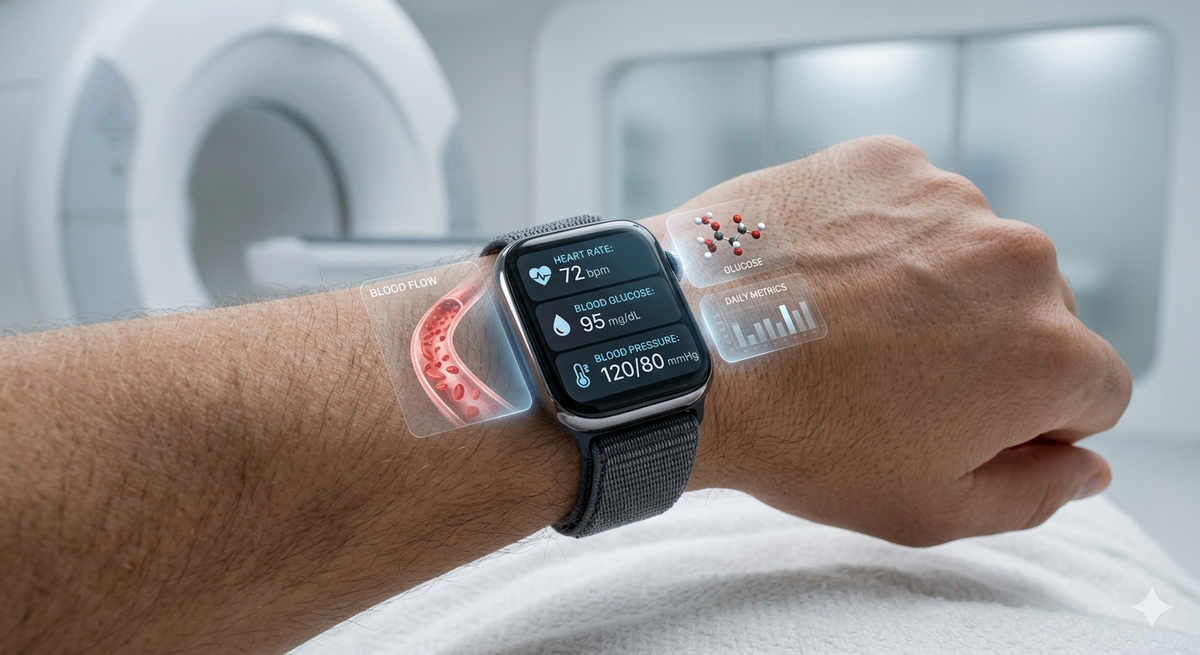
What if your smartwatch could warn you about a serious health issue before you even feel symptoms? That is the future Apple is working toward as it accelerates its push into advanced health technology through new sensor development.
Apple’s growing focus on health technology
Apple’s interest in health is not new, but it is becoming more precise and ambitious. The Apple Watch already offers heart rate tracking, ECG readings, and blood oxygen monitoring. Now, the company is investing in next-generation sensors that could measure blood glucose levels and blood pressure without invasive methods.
According to reports from Bloomberg and insights highlighted by MIT Technology Review, non-invasive glucose monitoring has been a major challenge in medical technology for years. If Apple succeeds, it could significantly improve how millions of people manage diabetes.
Apple pushing deeper into health tech with new sensor development efforts
Apple pushing deeper into health tech with new sensor development efforts reflects a shift toward preventive healthcare. Instead of reacting to illness, the company is building tools that aim to identify risks early through continuous monitoring.
This approach could transform everyday devices into proactive health companions. Continuous tracking may help detect irregular heart patterns, monitor chronic conditions, and provide early alerts that encourage timely medical intervention.
Potential real-world applications include:
- Early detection of cardiovascular issues
- Improved diabetes management without needles
- Daily wellness tracking for aging populations
Technical and regulatory hurdles
Developing accurate, non-invasive sensors is complex. These technologies must meet strict medical standards to be reliable. Even minor inaccuracies could lead to serious consequences if users depend on them for health decisions.
Regulatory approval is another challenge. Features that function as medical tools often require clearance from authorities such as the FDA. This involves clinical testing, long approval timelines, and ongoing compliance.
Rising concerns around data privacy
As Apple collects more health data, privacy becomes critical. Health information is highly sensitive, and users expect strong protection. Apple has emphasized its commitment to on-device processing and encryption, but the scale of data collection raises important questions.
- How securely is the data stored?
- Who has access to it?
- How is it shared with healthcare providers?
Maintaining user trust will be essential as these technologies evolve.
The broader healthcare strategy
Apple is not just adding features. It is building a connected ecosystem that integrates devices, software, and health services. Platforms like Apple Health already allow users to consolidate medical data, and future sensor advancements could deepen this integration.
If successful, Apple could play a major role in shifting healthcare toward continuous, personalized monitoring. If the technology falls short, it risks being seen as an overextension of consumer devices into a highly sensitive domain.
Conclusion
Apple pushing deeper into health tech with new sensor development efforts highlights a future where personal devices actively support health management. The potential includes earlier detection, better chronic care, and more accessible monitoring.
However, technical complexity, strict regulation, and privacy concerns remain significant barriers. The outcome will depend on whether Apple can deliver medical-grade accuracy while maintaining user trust.
Fast Facts: Apple pushing deeper into health tech with new sensor development efforts Explained
What does Apple pushing deeper into health tech with new sensor development efforts mean?
It means Apple is developing advanced sensors to turn devices into proactive health tools. Apple pushing deeper into health tech with new sensor development efforts focuses on early detection and continuous monitoring.
What can these new sensors actually do?
They aim to track metrics like blood glucose and blood pressure without invasive methods. Apple pushing deeper into health tech with new sensor development efforts could simplify managing chronic conditions.
What are the risks or limitations?
Accuracy and privacy remain key concerns. Apple pushing deeper into health tech with new sensor development efforts must meet strict medical standards and protect sensitive health data to maintain trust.