ASUS And Acer Banned From Selling PCs In Germany Over Nokia Patent Dispute
What happens when a decades old telecom patent war collides with today’s PC market? German consumers just found out.
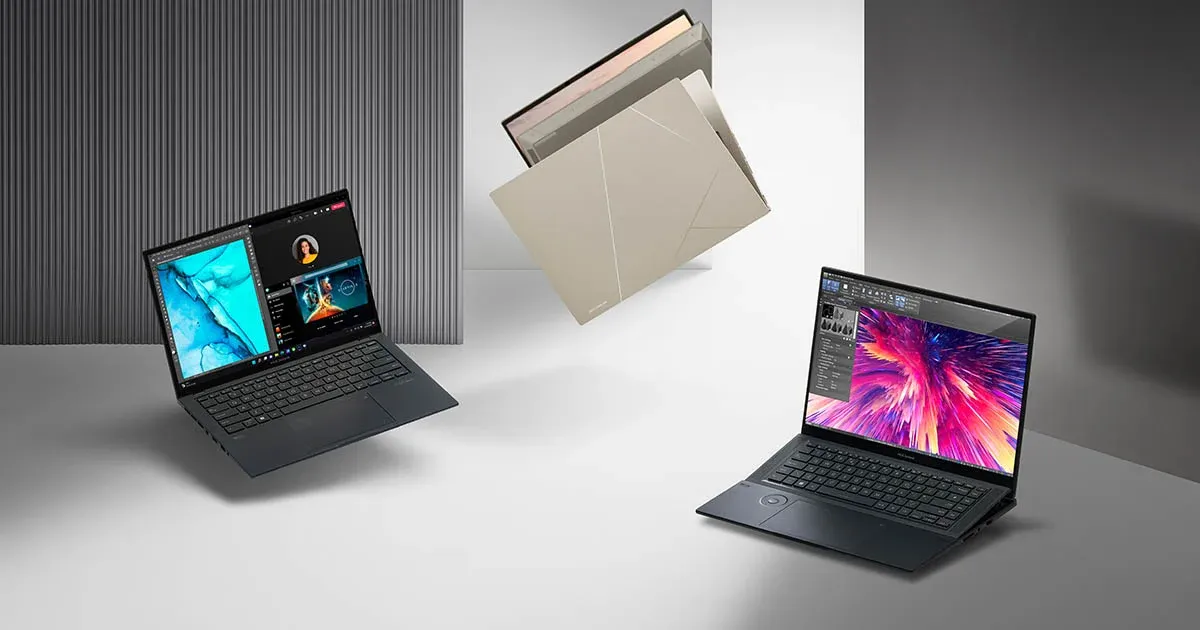
In a significant escalation of the ban on ASUS and Acer from selling PCs in Germany over a patent dispute by Nokia, two of the world’s largest PC makers have been forced to halt certain laptop and desktop sales in Germany following a legal victory by Nokia. The ruling highlights how critical wireless patents have become, even for traditional PC manufacturers.
Why ASUS And Acer Were Pulled From German Shelves
At the center of the conflict is Nokia’s portfolio of standard essential patents related to 4G LTE technology. Nokia has long licensed its cellular patents to smartphone manufacturers and automotive companies. According to Nokia’s public filings, it holds more than 20,000 patent families, with thousands declared essential to 5G and 4G standards.
German courts sided with Nokia in its infringement claims, finding that certain ASUS and Acer devices equipped with cellular connectivity modules violated licensing terms. As a result, sales bans were issued in Germany, one of Europe’s largest PC markets.
The legal mechanism is not new. Germany has become a preferred venue for patent enforcement because courts can grant injunctions relatively quickly if infringement is proven.
The Broader Impact Of ASUS And Acer Banned From Selling PCs In Germany Over Nokia Patent Dispute
This is not just a dispute between three companies. It signals a shift in how telecom intellectual property affects the broader computing ecosystem.
Modern laptops increasingly include built in LTE or 5G connectivity. That means PC manufacturers must secure licenses for cellular standards, not just Wi Fi or Bluetooth.
According to the European Patent Office, filings related to digital communication technologies remain among the fastest growing categories. As connectivity expands across devices, the risk of litigation increases.
For ASUS and Acer, Germany represents a key European market. Any sustained disruption could impact channel partners, retailers, and enterprise customers.
Nokia’s Licensing Strategy And Industry Precedent
Nokia has consistently defended its licensing model. The company has previously pursued legal action against firms including Daimler in a high profile automotive dispute that was ultimately settled.
The argument from patent holders is straightforward. Standard essential patents require companies to license on fair, reasonable, and non discriminatory terms, often referred to as FRAND. If negotiations fail, litigation becomes the enforcement tool.
Critics argue that aggressive injunctions can distort competition, especially in markets like PCs where cellular connectivity is only one component of the overall product.
What This Means For Consumers And Businesses
In the short term, German consumers may see limited availability of specific ASUS and Acer models with cellular connectivity. Retailers may pivot to Wi Fi only versions.
Long term, the case reinforces a key reality. Hardware companies are no longer just hardware companies. They operate in an IP heavy, standards driven ecosystem where licensing strategy can determine market access.
For businesses, due diligence around patent exposure is no longer optional. It is strategic risk management.
Conclusion
The ban underscores a larger trend in the tech industry. As devices converge and integrate telecom standards, patent licensing becomes a frontline business issue.
For manufacturers, the lesson is clear. Secure licensing early, negotiate aggressively, and prepare for cross industry patent complexity.
For consumers, this is a reminder that innovation often hinges on invisible legal frameworks shaping what reaches store shelves.
Fast Facts: ASUS And Acer Banned From Selling PCs In Germany Over Nokia Patent Dispute Explained
What is the Dispute about?
The ban on ASUS and Acer from Selling PCs in Germany Over Nokia patent dispute centers on alleged infringement of Nokia’s 4G LTE patents, leading German courts to issue sales injunctions on certain connected PC models.
Why does the dispute matter matter?
The dispute shows how telecom patents now affect laptops and desktops, not just smartphones, increasing legal risks for PC makers.
Could this happen in other countries?
Yes. ASUS And Acer having been banned from selling PCs in Germany over Nokia's patent dispute could extend to other jurisdictions if similar patent claims succeed, depending on local court rulings and licensing negotiations.
