Big Tech AI Disruption Hits Labour Unexpectedly
Big tech promised AI would disrupt labour, but the reality is reshaping jobs in ways no one predicted. From automation surprises to new ethical dilemmas, AI is changing work faster than boards anticipated.
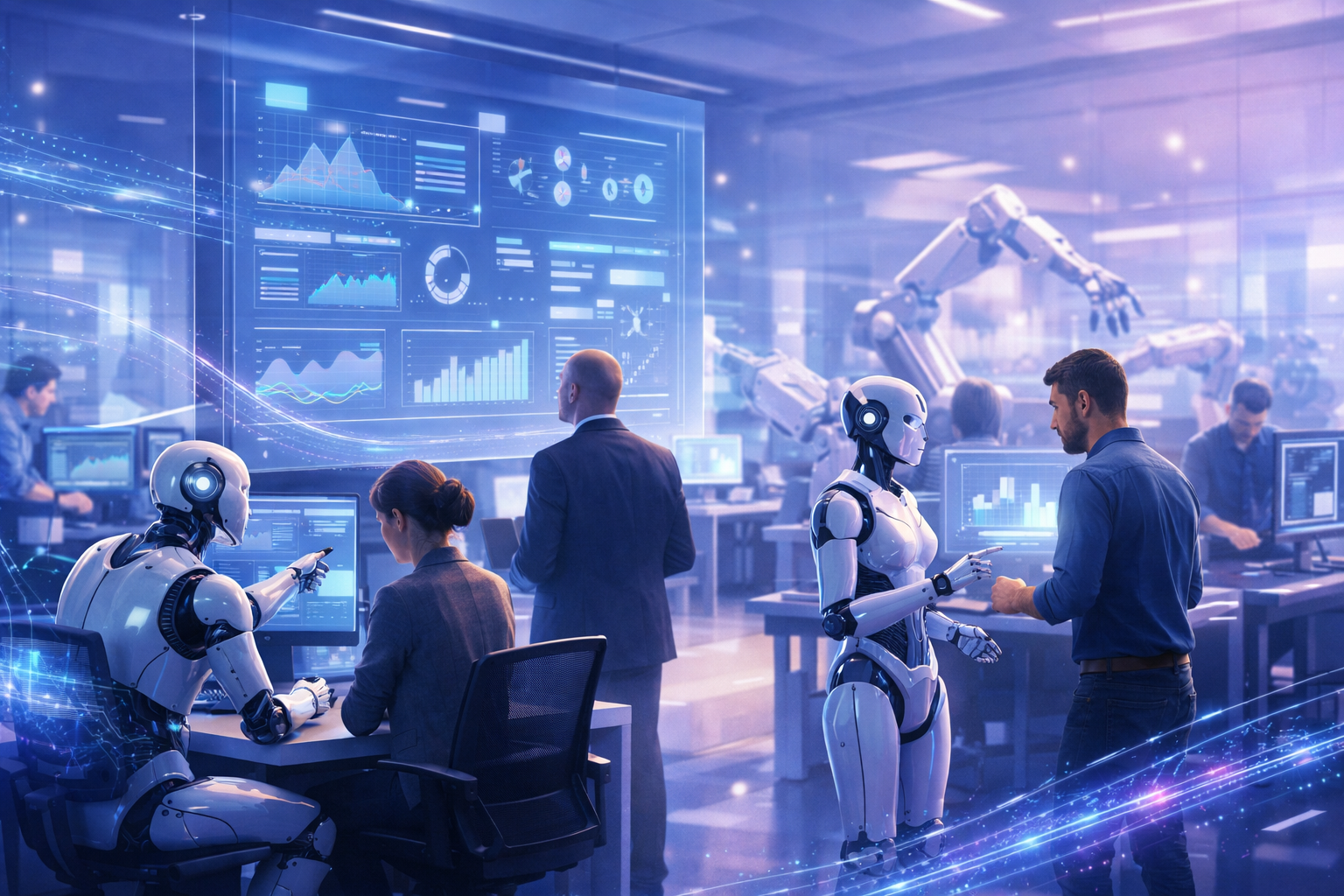
Big Tech Promised AI Would Disrupt Labour - Just Not Like This
When big tech promised AI would transform labour, few expected the speed and scale of change now unfolding. Automation is replacing routine tasks, shifting the nature of jobs, and forcing companies and workers to adapt in unexpected ways.
Rapid Automation in Traditional Roles
AI adoption is accelerating in sectors like finance, retail, and customer service. Tasks once performed by humans, including data entry, basic analysis, and scheduling, are now handled by AI systems. This has increased efficiency but also displaced millions of mid-skill jobs.
New Job Categories Emerging
While some roles are disappearing, AI is creating new positions in AI oversight, model auditing, and data annotation. Companies are investing in upskilling programs to help workers transition into these emerging roles, but the pace often lags behind technological adoption.
Ethical and Regulatory Challenges
Big tech promised AI would disrupt labour responsibly, yet ethical concerns are mounting. Bias in AI decision-making, privacy issues, and unfair automation practices are raising questions about accountability. Regulators are struggling to keep up with fast-moving AI innovations.
Impact on Global Labour Markets
The effects of AI disruption are uneven. High-skill tech hubs see rapid growth, while traditional manufacturing and service economies face job contractions. Workers in vulnerable industries may need retraining or relocation to stay competitive in the AI-driven labour market.
Preparing for an AI-Driven Workforce
Businesses and policymakers must rethink workforce strategies. Investing in digital literacy, continuous learning, and human-AI collaboration frameworks is essential. The goal is not just automation, but sustainable employment in an AI-enhanced economy.