British Court Rules Saudi Government Must Pay YouTuber £3 Million Over Spyware and Street Attack
A dissident’s satire triggered spyware surveillance and a street assault, culminating in a British court judgment with global consequences.
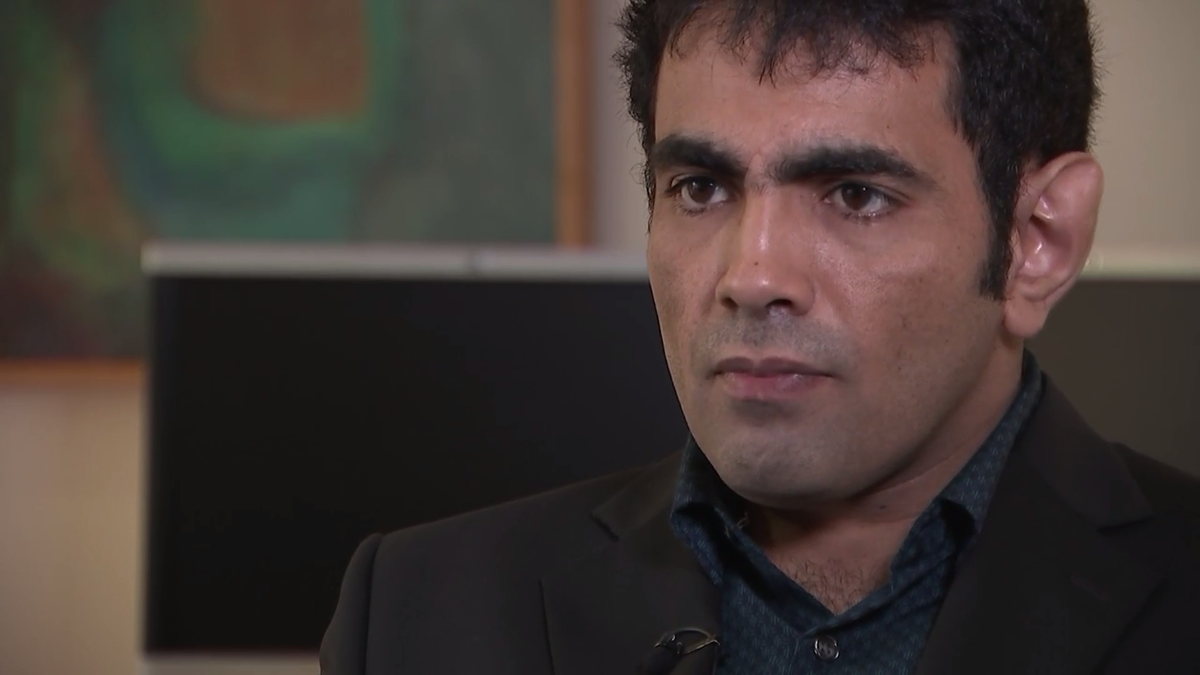
When does satire become a geopolitical flashpoint? That question sits at the center of a landmark British legal judgment after a London High Court awarded £3 million to a dissident YouTuber who was targeted with government-grade spyware and physically assaulted in London.
How a Political Critic Became a Legal Test Case
Ghanem al-Masarir is a Saudi-born political satirist who built a large global audience by critiquing the Saudi royal family on YouTube. His sharply-worded videos drew millions of views but also, he says, the attention of powerful adversaries.
In 2018, al-Masarir’s iPhones began malfunctioning, with rapid battery drain and sluggish performance. He later discovered that his devices had been infected with Pegasus spyware, a sophisticated surveillance tool sold exclusively to governments and security services.
Experts from Citizen Lab confirmed that text messages containing disguised links were used to install Pegasus, allowing deep access to his phone’s data, camera, microphone and location.
The London Attack and Harassment
As his phone was allegedly monitored, al-Masarir said he began seeing the same faces in public places across London and received threats linked to his online content. Things escalated in August 2018 when two men accosted him outside Harrods, punching him in the face amid insults tied to his criticism of the Saudi regime.
The court heard that this wasn’t an isolated incident. Other episodes included intimidation in cafes and threats captured on social media.
Court Ruling: Accountability for State-Linked Surveillance
After six years of legal battles, London’s High Court ruled that there was a “compelling basis” to conclude the Saudi government or agents acting on its behalf were responsible for the phone hacking and the assault. It rejected Saudi arguments that it was immune from civil claims in UK courts.
Judge Pushpinder Saini awarded al-Masarir more than £3 million (about $4.1 million) in damages, including compensation for lost future earnings. The judge noted that the targeting had a “clear interest and motivation” in silencing the critic.
The case represents a rare legal victory holding a state to account in foreign courts for intrusive surveillance and physical intimidation of an activist.
Broader Implications: Spyware, Free Speech and Digital Security
This judgment comes amid growing global concern about government use of surveillance tools like Pegasus, which has previously been linked to other high-profile repression cases. It underscores how digital rights, free expression and personal security intersect in the age of powerful spyware.
The ruling also raises questions about compliance, enforcement and diplomatic fallout. Saudi authorities have not publicly committed to paying the damages, and al-Masarir has said he may pursue enforcement actions abroad if necessary.
Conclusion
The case of al-Masarir exposes the dangers that dissidents face when cutting-edge digital surveillance and political pressure converge. Beyond the personal toll on al-Masarir’s life and career, the court decision sends a clear message: powerful states can be held liable for targeting critics abroad, even in unexpected arenas like YouTube satire.
Fast Facts: YouTuber Hacked with Pegasus Spyware Explained
What does “YouTuber hacked with Pegasus spyware” mean?
It refers to a London-based satirist, Ghanem al-Masarir, whose iPhones were infected with Pegasus, a government-grade spyware, allowing remote surveillance of his phone data.
What was the outcome of the case?
A UK High Court ordered over £3 million in damages after finding compelling evidence that the targeting was directed by the Saudi government.
Why does this matter beyond one person?
It highlights how digital tools like Pegasus can be used to suppress criticism, raising legal and human rights questions about state surveillance.