Byju’s Faces Investor Pressure as Restructuring Efforts Continue
India’s once-celebrated edtech giant is fighting for survival as investors demand accountability, transparency, and a clear path to recovery.
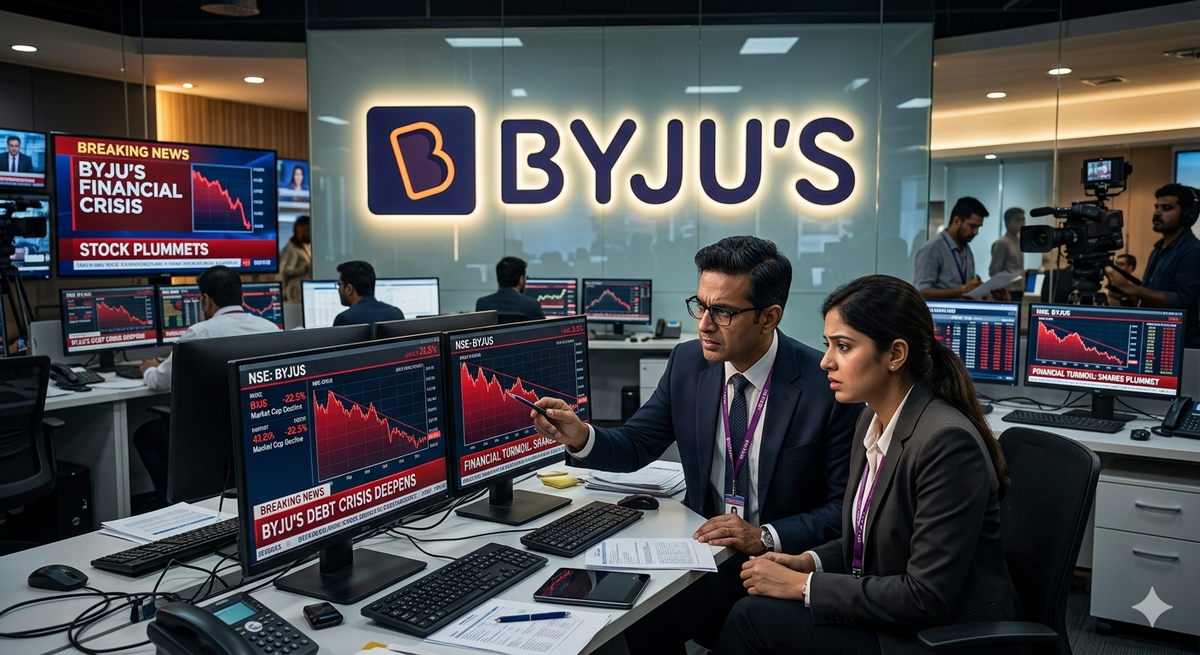
What happens when a $22 billion startup loses investor trust faster than it gained it? Byju’s is finding out in real time as scrutiny intensifies and patience runs thin. The reality is blunt. Byju’s faces investor pressure as restructuring efforts continue, and the company is now being forced to prove it can survive, not just scale.
Mounting Pressure on Leadership and Governance
Investor concerns have shifted from growth to governance. Delayed financial filings and auditor exits have raised serious questions about transparency. Reports indicate that key investors have pushed for board changes and tighter financial oversight.
The situation highlights a broader issue. Rapid expansion without strong governance structures can backfire. In this case, Byju’s faces investor pressure as restructuring efforts continue because trust, once lost, is hard to rebuild.
Debt Crisis and Financial Strain
A major trigger behind the crisis is the company’s $1.2 billion term loan default. Legal disputes with lenders have only deepened uncertainty. Cash flow challenges have limited operational flexibility and forced the company into defensive decisions.
This financial stress is not just about numbers. It reflects deeper structural weaknesses. Byju’s faces investor pressure as restructuring efforts continue because its aggressive funding strategy is now colliding with reality.
Restructuring Efforts Under Scrutiny
The company has responded with layoffs, cost reductions, and potential asset sales. Subsidiaries are being reviewed for divestment, and the focus is shifting back to core markets like India.
Still, investors are not convinced. Announcing restructuring is easy. Delivering results is harder. Byju’s faces investor pressure as restructuring efforts continue because stakeholders want measurable progress, not promises.
Ripple Effects Across the EdTech Sector
The impact goes beyond one company. Byju’s was a flagship of India’s edtech boom. Its struggles are forcing investors to rethink the entire sector. Funding has slowed, and expectations have changed.
Profitability, sustainability, and governance now matter more than rapid user growth. The narrative that Byju’s faces investor pressure as restructuring efforts continue is becoming a warning signal for other startups.
The Road Ahead
Recovery is still possible, but it will require discipline and transparency. Timely financial disclosures, realistic growth strategies, and stronger governance will be critical. The company still has brand recognition and a large user base, but those advantages are fading without trust.
The next phase will define its future. Byju’s faces investor pressure as restructuring efforts continue, and the outcome will determine whether it stages a comeback or becomes a case study in how not to scale a startup.
Conclusion
Byju’s is no longer judged by its past success but by its ability to fix present challenges. Investors are watching closely, and expectations are clear. Execution matters more than ambition. The company must now deliver or risk losing relevance in a rapidly evolving market.
Fast Facts: Byju’s Faces Investor Pressure as Restructuring Efforts Continue Explained
What is happening with Byju’s right now?
Byju’s faces investor pressure as restructuring efforts continue due to financial stress, delayed reporting, and governance issues. Investors are demanding accountability and visible turnaround progress.
Why are investors concerned about Byju’s?
Byju’s faces investor pressure as restructuring efforts continue because of debt defaults, transparency gaps, and leadership instability that have weakened confidence.
Can Byju’s recover from this crisis?
Byju’s faces investor pressure as restructuring efforts continue, but recovery depends on stronger governance, consistent financial reporting, and disciplined execution.