Chinese AI App Seedance Sends Hollywood Into a Panic
A new AI model developed by the Chinese company behind TikTok rocked Hollywood this week, but what it could mean for creative industries
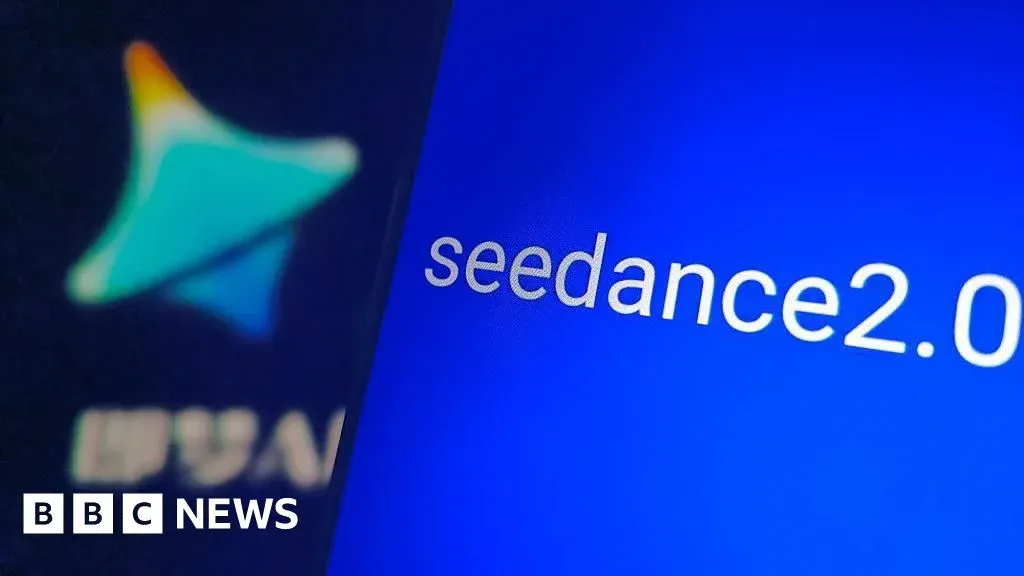
What happens when anyone can generate Hollywood-grade video with a few simple words? That is the question rocking the entertainment industry as a Chinese AI app called Seedance 2.0 triggers widespread concern across Hollywood. The tool’s ability to produce cinematic content using text prompts has studios warning of copyright infringement, economic disruption, and potential harm to creator livelihoods.
What Is Seedance and Why It Matters
Seedance 2.0 is an AI-powered video generator developed by Chinese tech giant ByteDance, the company behind TikTok. The app uses artificial intelligence to create high-quality video clips, including visuals, dialogue, and sound, from just a short text description. Early demos have included hyperrealistic scenes featuring likenesses of well-known actors appearing to act out movie-style sequences, all generated without actual footage.
This form of synthetic media sits on the frontier of AI creativity tools, building on deepfake-style technology and extending it into full video generation. Experts see such tools as part of a larger shift in how digital content will be created and consumed in the coming decade.
Hollywood Reacts: Copyright, Jobs, and Creator Rights
The rollout of Seedance 2.0 has been met with strong pushback from Hollywood’s major institutions. The Motion Picture Association (MPA) called out the app for what it says is widespread and unauthorized use of copyrighted material. According to the MPA, Seedance is “engaging in unauthorized use of US copyrighted works on a massive scale,” including characters and scenes from well-known films.
Actors’ unions such as SAG-AFTRA have also chimed in, warning that tools like Seedance could undermine performers’ ability to control how their images are used and compensated. Some writers and directors fear that AI-generated content could devalue professional creative labor.
Disney has reportedly even sent a legal cease-and-desist to ByteDance, alleging that Seedance was launched with a “pirated library” of copyrighted characters bundled into the application.
The Broader Implications for AI and Media Creation
The Seedance case highlights a central tension in the rise of AI content tools: innovation versus legal and ethical boundaries. On one hand, AI offers new expressive power to creators, educators, and hobbyists. On the other, Hollywood’s challenge illustrates how existing copyright laws may struggle to keep pace with generative AI’s ability to effortlessly replicate complex creative works.
ByteDance has responded by saying it plans to strengthen safeguards to prevent unauthorized use of intellectual property, though specific details are still forthcoming.
Experts say this moment offers a test case for how governments, rights holders, and tech companies negotiate a future where AI tools can generate content that looks indistinguishable from professional productions.
Conclusion
Seedance 2.0’s rapid rise and the immediate backlash from Hollywood illustrate a pivotal moment in the intersection of artificial intelligence and media. As AI video generation gains capability and accessibility, the entertainment industry, regulators, and creators will need clear rules and frameworks to balance innovation with protection of creative rights. The outcome of this battle could reshape how films, television, and video art are created and valued in the digital age.
Fast Facts: Seedance Explained
What is Seedance?
Seedance 2.0 is a Chinese AI app that generates high-quality video from text prompts, creating multimedia content that can resemble real movies.
Why is Hollywood concerned?
Hollywood studios say the app uses copyrighted material without permission, posing risks to creator rights and future jobs.
How is ByteDance responding?
ByteDance has pledged to add stronger safeguards to prevent unauthorized use of intellectual property, though details are still limited.