Creativity as Capital: How AI Is Reshaping Ownership, Value, and IP Rights
AI is transforming human creativity into a financial asset. This article explores IP rights, ownership disputes, ethical risks, and the future of creative value.

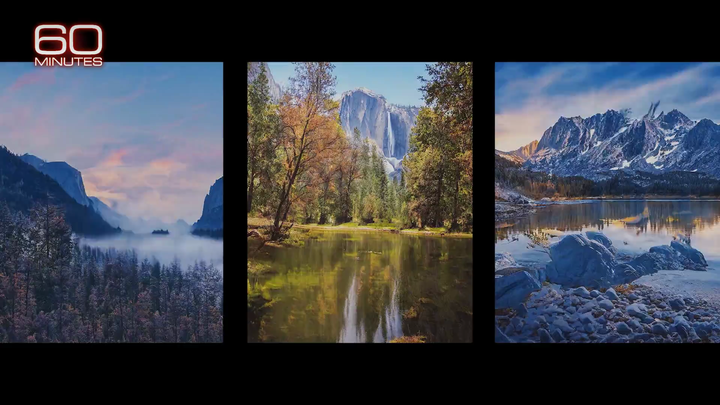
In 2023, a single AI-generated image sold for more than the annual income of thousands of working artists. At the same time, musicians, writers, designers, and photographers discovered fragments of their work embedded inside systems they never licensed. Creativity, once protected by authorship and copyright, is being rapidly absorbed into financial systems powered by artificial intelligence.
AI is no longer just producing content. It is converting human creativity into data, derivatives, and revenue streams. This shift marks the financialization of creativity, where intellectual property is treated less as expression and more as extractable capital.
The implications stretch far beyond copyright law. They affect labor markets, cultural power, platform economics, and who ultimately benefits from creative work in an AI-driven economy.
From Creative Expression to Financial Asset
Historically, intellectual property law was designed to protect creators by granting exclusive rights over reproduction and distribution. AI has disrupted this balance by learning from vast corpora of copyrighted material and generating outputs that blur authorship.
Platforms now monetize creativity at scale through:
- Training large models on licensed and unlicensed creative works
- Selling API access to generative systems
- Embedding AI-generated content into products, advertising, and entertainment
- Packaging creative output as financial assets, subscriptions, or derivatives
In this model, value concentrates at the infrastructure layer. The creative labor that trains these systems often receives no direct compensation, even as AI-generated content generates recurring revenue.
Creativity is no longer just produced. It is harvested, aggregated, and monetized.
The IP Ownership Crisis
One of the most contested questions is ownership. When AI generates a song, illustration, or article, who owns it?
Current legal systems struggle to answer because:
- Many jurisdictions require human authorship for copyright protection
- Training data often includes copyrighted works without explicit consent
- AI outputs can be stylistically similar to identifiable creators without direct copying
Ongoing lawsuits against AI companies from artists, publishers, and media houses highlight this uncertainty. Courts are being asked to decide whether training on copyrighted material constitutes fair use, infringement, or something entirely new.
Until clear precedents emerge, creators operate in a grey zone where their work fuels systems they do not control.
Platform Power and Creative Labor
The financialization of creativity mirrors earlier platform shifts in music and social media, but at a much faster pace. AI platforms act as intermediaries between creative labor and markets, setting terms unilaterally.
This creates asymmetries:
- Creators supply data and cultural value
- Platforms capture recurring revenue
- Attribution and compensation remain optional or symbolic
Some companies now offer opt-out mechanisms or licensing programs, but these are fragmented and difficult to enforce globally. Independent creators, especially in emerging markets, are least equipped to negotiate fair terms.
As AI-generated content floods markets, human creativity risks becoming devalued unless governance frameworks evolve.
Ethical Fault Lines in Creative Monetization
Beyond legality lies ethics. AI-generated content raises questions about consent, cultural appropriation, and power.
Key ethical concerns include:
- Use of creative work without informed consent
- Replication of marginalized voices without benefit sharing
- Homogenization of culture through algorithmic optimization
- Erosion of creative livelihoods through automation
Financialization rewards scale and efficiency, not originality or context. This risks narrowing cultural diversity while amplifying dominant styles encoded in training data.
Ethical AI governance must address not just bias in outputs, but fairness in value distribution.
Emerging Models for Fairer Value Sharing
Despite tensions, new models are being explored to rebalance incentives.
Promising approaches include:
- Data licensing marketplaces for creative training material
- Collective rights management adapted for AI usage
- Revenue-sharing mechanisms tied to training contributions
- Transparency requirements for model training sources
Some startups and research groups are experimenting with attribution tracking and compensation frameworks, though none have yet scaled globally.
The challenge is aligning innovation with accountability without stifling creativity or technological progress.
Conclusion
AI is transforming creativity into a financial instrument, reshaping who owns culture and who profits from it. Without updated IP frameworks and ethical safeguards, this shift risks concentrating power while eroding creative labor.
The future of creativity in the AI era will be decided not just by technology, but by policy choices, legal standards, and collective action. Whether creativity remains a human-centered endeavor or becomes fully financialized is still an open question.
Fast Facts: AI and the Financialization of Human Creativity Explained
What does financialization of creativity mean?
The financialization of creativity refers to treating creative work as extractable data and revenue streams within AI-driven platforms and markets.
How does AI impact IP rights?
AI and the financialization of human creativity challenge IP rights by blurring authorship, ownership, and fair compensation for training data.
What is the biggest limitation today?
The biggest limitation is the absence of clear global rules defining consent, ownership, and revenue sharing in AI-trained creative systems.