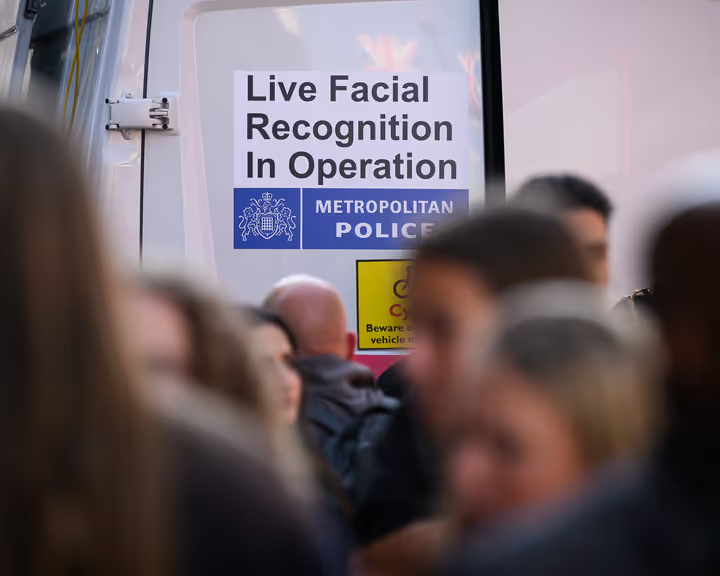
Driverless Taxi London Trials: Would You Trust AI Behind the Wheel?
London’s streets are becoming a live laboratory for AI-powered robotaxis, raising a bold question: are we truly ready to trust a driverless taxi in London traffic?
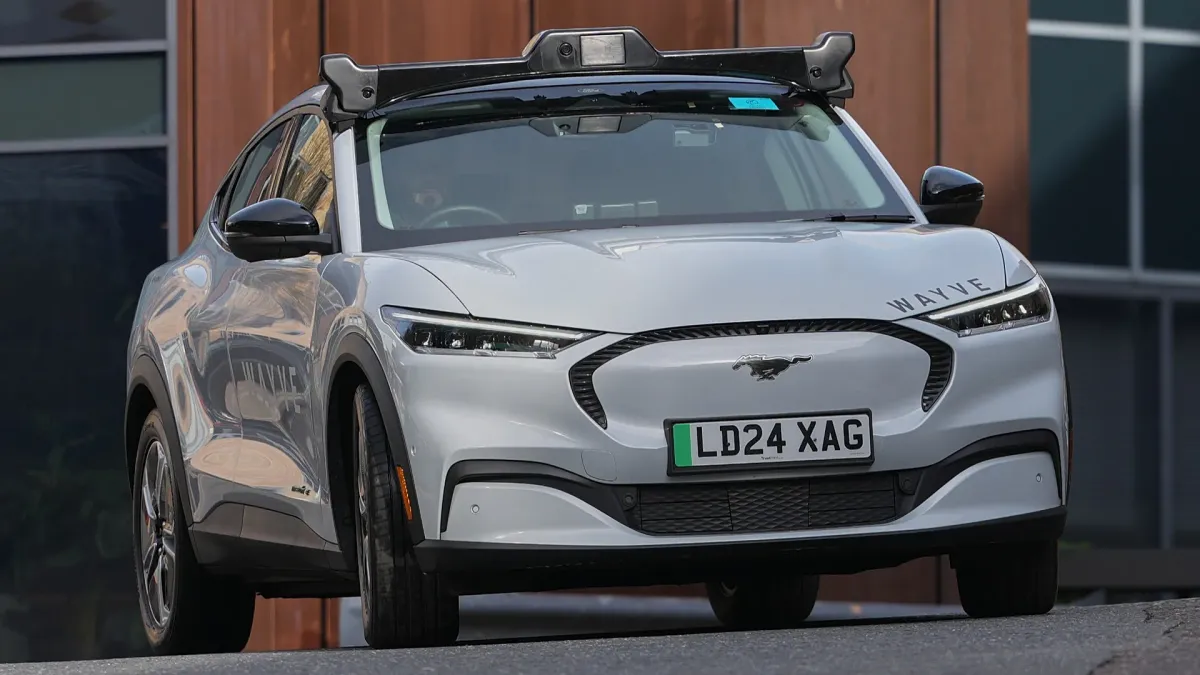
Would you step into a car with no one in the driver’s seat? In parts of the UK capital, that question is no longer hypothetical. Driverless taxi London trials are now testing AI-powered robotaxis on public roads, bringing autonomous transport closer to everyday commuters.
The trials mark a significant moment for the UK’s ambitions in artificial intelligence and smart mobility. While fully driverless vehicles remain under strict regulatory oversight, these pilot programs signal that autonomous transport is moving from Silicon Valley headlines to London streets.
What Are the Driverless Taxi London Trials?
The driverless taxi London trials involve autonomous vehicles equipped with advanced AI systems, including LiDAR, radar, and computer vision. These systems interpret traffic signals, detect pedestrians, and make real-time driving decisions.
Companies working on robotaxis globally, such as Waymo and Cruise, have already tested similar models in US cities. London’s trials aim to evaluate performance in one of Europe’s most complex urban traffic environments.
Unlike some US deployments, UK trials typically include a safety operator inside the vehicle. This ensures compliance with local regulations while gathering real-world performance data.
Why London Is a Crucial Testing Ground
London presents unique challenges for autonomous systems. Narrow streets, unpredictable pedestrians, cyclists, historic road layouts, and heavy congestion create a rigorous test environment.
The UK government has positioned itself as a leader in AI and mobility innovation. According to the UK Department for Transport, autonomous vehicle technology could create tens of thousands of jobs and generate billions in economic value over the coming decades.
Testing in London allows developers to assess how well AI handles real-world unpredictability rather than controlled suburban settings.
How Safe Are AI-Powered Robotaxis?
Safety remains the central question surrounding the driverless taxi London trials.
Globally, companies like Tesla have faced scrutiny over semi-autonomous systems. Meanwhile, fully autonomous programs such as Waymo report millions of miles driven in autonomous mode with safety data published in periodic reports.
However, experts caution that AI systems still struggle in edge cases. Sudden weather shifts, construction zones, or unusual pedestrian behavior can confuse algorithms. Public trust depends on transparent reporting and regulatory oversight.
The Economic and Ethical Stakes
The rise of autonomous taxis could transform urban mobility. Potential benefits include reduced congestion, fewer accidents caused by human error, and greater accessibility for elderly or disabled passengers.
Yet there are trade-offs. Taxi and ride-hailing drivers may face job displacement. Ethical dilemmas also emerge when AI systems must make split-second decisions in unavoidable crash scenarios.
Regulators in the UK are working to create a framework that balances innovation with public safety. The trials will likely shape future legislation on autonomous mobility across Europe.
What Happens Next?
The driverless taxi London trials remain in controlled phases, but they represent a broader shift toward AI-driven transportation. If the trials demonstrate consistent safety and reliability, commercial deployment could follow in the coming years.
For commuters, the practical takeaway is simple. Autonomous transport is no longer experimental hype. It is being tested in real traffic, in real cities, under real regulations.
The bigger question is not whether driverless taxis are coming. It is how quickly society is ready to accept them.
Fast Facts: Driverless Taxi London Trials Explained
What are the driverless taxi trials?
The driverless taxi trials in London are pilot programs testing AI-powered robotaxis on public roads in the UK capital under regulatory supervision, often with a safety operator onboard.
How safe are driverless taxis in London?
The driverless taxi London trials are designed to measure safety in complex urban traffic, using AI systems trained on millions of driving miles, but human oversight is still required during testing.
When could driverless taxis become common?
If the driverless taxi London trials prove reliable and regulators approve wider rollout, commercial services could expand within the next few years across major UK cities.