Fake AI Judgments Shake India’s Supreme Court: AI in Legal Process Under Scrutiny
When AI starts inventing court rulings, the very foundation of justice is put on trial.
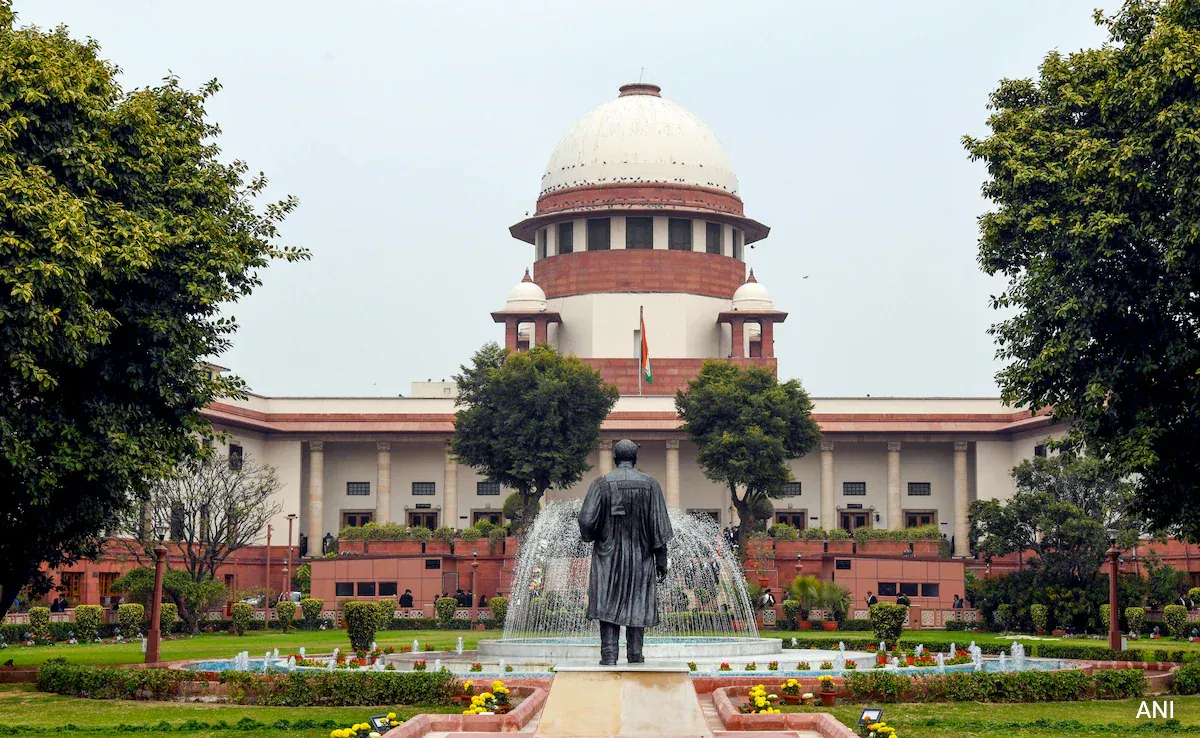
What happens when artificial intelligence produces convincing but non-existent legal rulings and a judge relies on them? That unsettling question is now at the heart of a major judicial controversy in India, where the country’s Supreme Court has taken the rare step of condemning the use of fake AI-generated judgments in a real property dispute.
The incident highlights a broader and pressing issue in the age of generative AI: these systems can construct plausible-sounding legal citations that are entirely fabricated, yet appear authoritative unless rigorously checked. The result is a test of how legal institutions can integrate AI without compromising justice.
What Happened: Fake AI Judgments in Court
The controversy began when a junior judge in Andhra Pradesh issued a ruling in a civil property case that cited four past legal judgments. Upon review by the Supreme Court, all four cited rulings were found not to exist and had been generated by an AI model.
India’s Supreme Court described the episode as a matter of “institutional concern”, stressing that reliance on fake AI-generated judgments has a direct bearing on the integrity of the adjudicatory process. It has now stayed the lower court’s order and threatened legal consequences for misusing AI outputs in official judicial decisions.
The top court’s statement makes it clear that simply pointing to an AI tool as a source will not excuse errors that undermine due process. Using such outputs without human verification can amount to judicial misconduct, not just an honest mistake.
The Risks of AI Hallucinations in Legal Settings
Generative AI models like large language models are designed to produce coherent-looking text based on statistical patterns. They do not verify facts or check databases of legal precedents. That can lead to “hallucinations”, where the model invents entirely fabricated content that seems plausible.
In legal contexts, this risk is especially acute. Lawyers and judges rely on established case law and precedents to justify decisions. Introducing unverified AI-generated citations into official orders can mislead courts, unfairly influence outcomes, and weaken trust in judicial systems.
This event in India is not isolated. Other courts and tribunals globally have flagged troubling instances of AI-generated content creeping into legal submissions, prompting calls for stronger discipline and verification standards.
What It Means for AI in Law
The Supreme Court’s stern response sends a powerful message to legal professionals and technology developers. It underscores three core principles:
- Human verification is mandatory. No AI output should be used as a legal citation without meticulous human fact-checking.
- Accountability cannot be ceded to a model. Judges and lawyers remain responsible for the accuracy of every document submitted.
- AI should assist, not replace, legal judgment. Systems can support tasks like document review or transcription, but they must be integrated with safeguards in high-stakes environments.
Experts suggest this episode will accelerate discussions on regulatory frameworks governing AI in sensitive sectors such as law, healthcare, and finance. Courts worldwide are watching, and developers of legal AI tools are under pressure to embed explainability and verification safeguards into their products.
Conclusion
The Supreme Court’s rebuke over fake AI-generated judgments is a pivotal moment in the legal world’s reckoning with generative AI. It affirms that while AI can be a powerful assistant, it remains prone to flaws that can have serious consequences when left unchecked. Upholding justice demands that humans retain final authority and verify every claim, regardless of how sophisticated the technology that produced it may seem.
Fast Facts: Fake AI Judgments Explained
What are fake AI-generated judgments?
Fake AI-generated judgments are legal citations or rulings created by an AI model that has no basis in real case law, yet can appear legitimate in written form. They pose a risk when used without verification.
Why did India’s Supreme Court condemn them?
The Supreme Court said using fake AI judgments without human oversight undermines trust in the legal process and can be considered judicial misconduct, not just an error.
What does this mean for AI in law?
AI can help with research and document tasks, but legal professionals must verify outputs to prevent errors and protect the integrity of judicial decisions.