Global EV Sales Hit 20.5 Million in 2025 as BYD Overtakes Tesla
BYD dethrones Tesla as global EV sales broke the record, signaling a dramatic shift in the electric vehicle power balance.
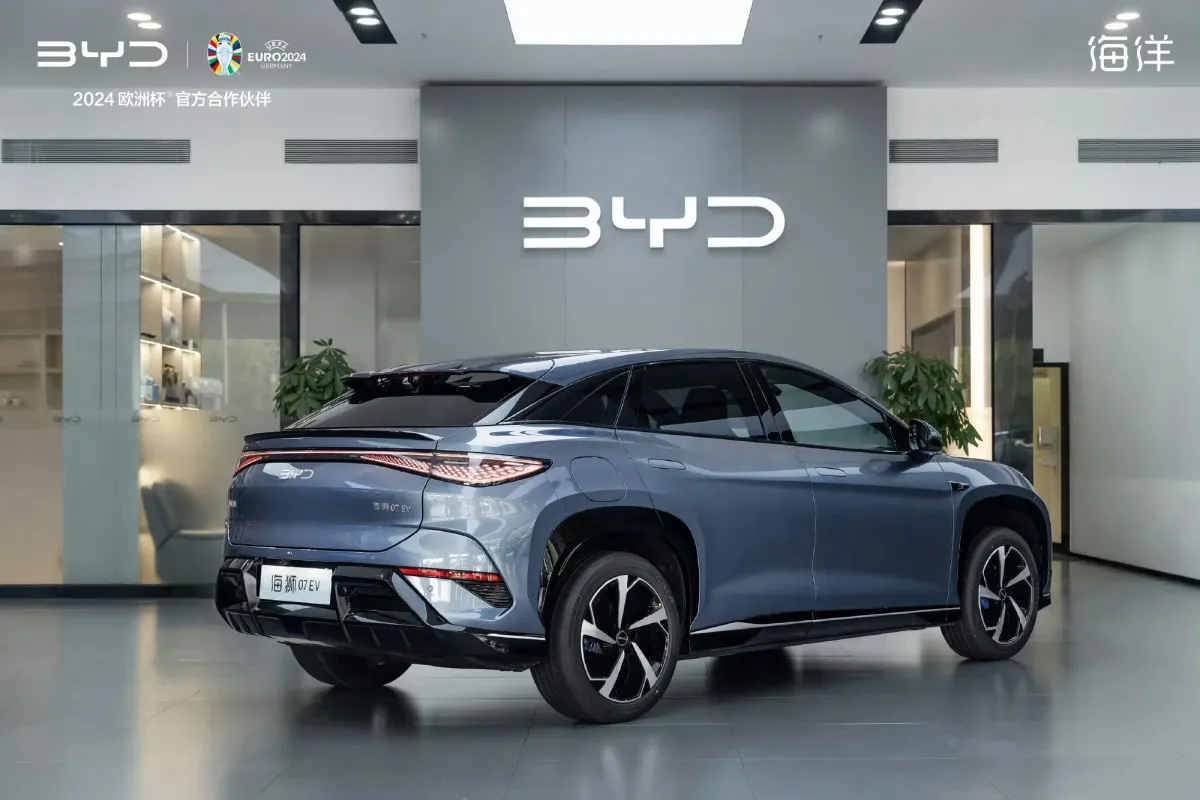
The electric vehicle revolution just crossed a historic milestone. Global EV sales reached a record 20.5 million units in 2025, marking one of the fastest technology transitions in modern transportation. But the bigger headline is the shift in industry leadership.
For the first time, Chinese automaker BYD overtook Tesla to become the world’s largest electric vehicle seller, signaling a major power shift in the global EV market. As competition intensifies and adoption spreads worldwide, the next phase of electric mobility may look very different from the Tesla-dominated era.
Record-Breaking Global EV Sales in 2025
The latest industry data shows that global EV sales surged to 20.5 million units in 2025, a new all-time high driven by rising consumer demand and stronger climate policies worldwide.
Electric vehicles are no longer niche products. They are becoming a mainstream choice across major markets.
China continues to dominate the industry, accounting for roughly 66 percent of global EV sales in 2025.
Meanwhile, Western Europe recorded nearly 30 percent growth, its strongest EV expansion since 2022.
Analysts expect the momentum to continue. Forecasts suggest global EV sales could reach about 23.4 million units in 2026, although the growth rate may slow slightly as the market matures.
BYD Surpasses Tesla in the Global EV Race
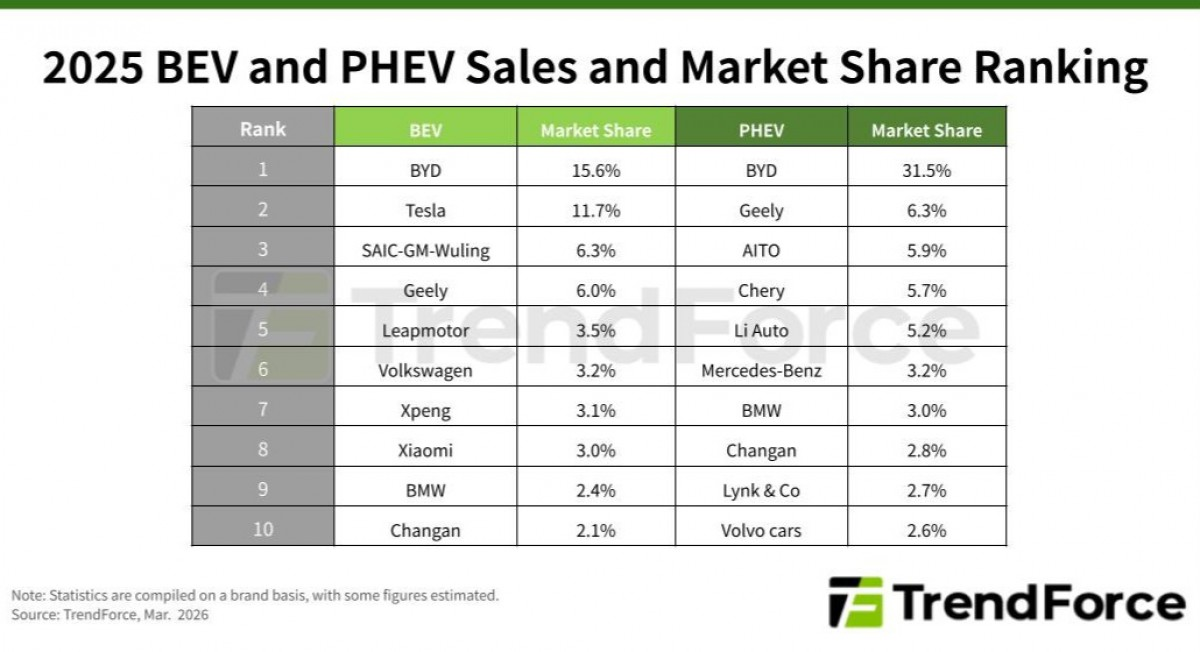
The most striking development behind the surge in global EV sales is the rise of BYD.
The Chinese automaker sold roughly 2.26 million battery-electric vehicles in 2025, surpassing Tesla’s annual deliveries for the first time.
BYD’s EV sales increased by about 28 percent year over year, fueled by strong demand in China and expanding exports to Europe, Latin America, and Asia.
Tesla, in contrast, experienced a slowdown. Its deliveries declined by roughly 9 percent in 2025, partly due to an aging vehicle lineup and intensifying competition from newer EV models.
The shift highlights a broader industry trend. Chinese manufacturers are rapidly gaining ground by offering affordable EVs with competitive battery technology.
Why China Is Leading the EV Boom
China’s dominance in global EV sales is not accidental. Several structural advantages have helped Chinese manufacturers scale faster than competitors.
First, the country has built one of the world’s largest charging infrastructures, which reduces range anxiety for consumers.
Second, government incentives and industrial policy have supported domestic EV companies for more than a decade.
Third, companies like BYD control large parts of their supply chain, including batteries and semiconductors. This vertical integration allows them to reduce costs and accelerate innovation.
As a result, Chinese EV brands are increasingly expanding overseas and reshaping the global automotive landscape.
The Next Phase of the Global EV Market
Despite the impressive growth in global EV sales, the industry faces several challenges.
Battery supply chains remain fragile. Charging infrastructure still lags in many countries. And price remains a key barrier for mass adoption in emerging markets.
At the same time, the competition between automakers is intensifying. Legacy manufacturers such as Volkswagen, Hyundai, and Ford are investing billions to compete with Tesla and Chinese EV makers.
For consumers, this competition is good news. It means more choices, better technology, and lower prices over time.
Conclusion
The record global EV sales of 20.5 million vehicles in 2025 mark a turning point for the automotive industry. Electric vehicles are no longer an experimental technology. They are rapidly becoming the default future of mobility.
Yet the biggest shift may be geopolitical rather than technological. With BYD now leading the global EV race, the center of gravity in the electric vehicle industry is moving toward Asia.
The next decade will determine whether Tesla can reclaim leadership or whether Chinese automakers will define the future of electric transportation.
Fast Facts: Global EV Sales Explained
Why are global EV sales rising?
In 2025, global EV sales hit 20.5 million due to a combination of falling battery costs, expanding model availability, and aggressive growth in emerging markets, particularly China.
Which company leads global EV sales today?
BYD currently leads global EV sales after surpassing Tesla in 2025. The Chinese automaker sold more battery-electric vehicles thanks to strong domestic demand, competitive pricing, and expanding exports across Europe and emerging markets.
What could slow future global EV sales growth?
Global EV sales may grow slower if charging infrastructure expands slowly or battery materials remain expensive. Market maturity in China and economic uncertainty in some regions could also moderate growth rates in the coming years.