Google SpeciesNet: Open-Source AI Transforming Wildlife Conservation
Google's new open-sourced AI model could dramatically accelerate how scientists track and protect animals across the planet.
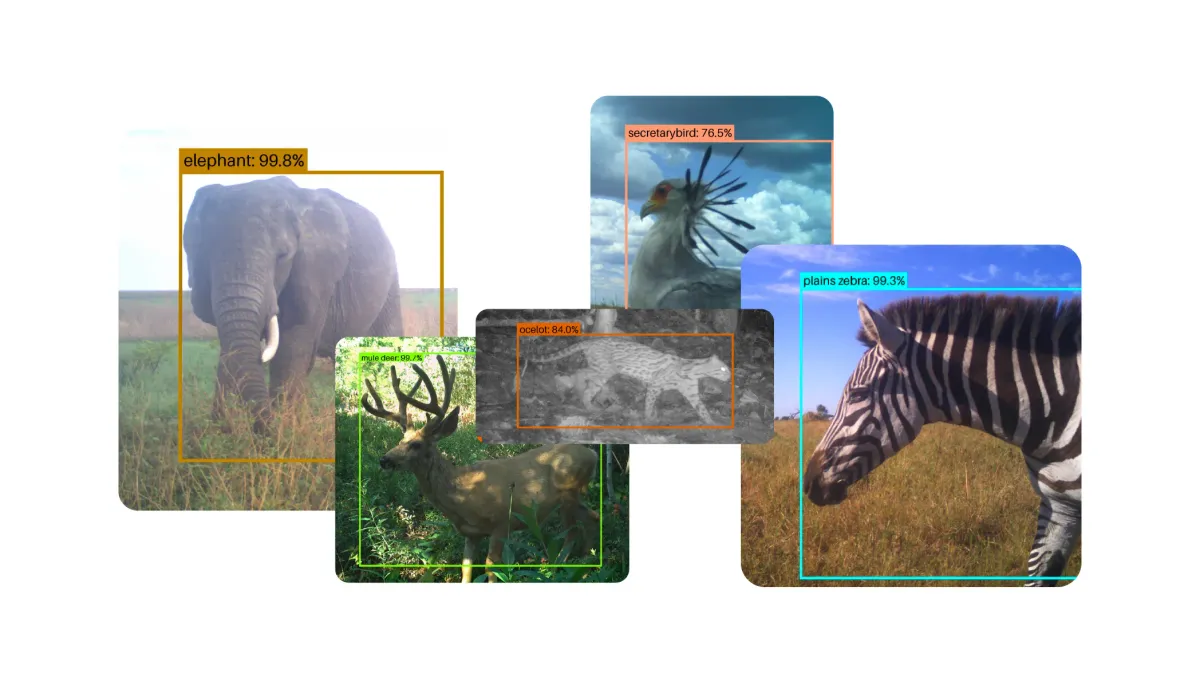
Wildlife researchers deploy millions of motion-triggered cameras across forests, deserts, and mountains. The problem is not capturing images. It is sorting through them. A single research project can produce millions of photos, many of which must be manually analyzed.
Google believes artificial intelligence can help solve that bottleneck. In 2025, the company released Google SpeciesNet, an open-source AI model designed to identify wildlife species automatically from camera trap images. The goal is simple but powerful: accelerate biodiversity research and make wildlife monitoring accessible to researchers worldwide.
What Is Google SpeciesNet?
Google SpeciesNet is an AI model that analyzes images from camera traps and identifies the animals appearing in them. The system can classify images into more than 2,000 categories, including animal species and broader taxonomic groups.
The model is trained on over 65 million wildlife images collected from research organizations and conservation projects worldwide.
SpeciesNet works as a two-step system:
- Object detection: A model called MegaDetector scans images to find animals, humans, or vehicles.
- Species classification: Once animals are detected, SpeciesNet analyzes them to determine the species.
This approach allows researchers to automate image analysis that previously took weeks or months.
Why Camera Trap Data Needs AI
Camera traps are essential tools in modern conservation. These cameras automatically capture photos when motion is detected, enabling researchers to monitor wildlife in remote or dangerous environments.
However, these systems generate enormous datasets. Manually reviewing them is time-consuming and costly.
According to conservation researchers, analyzing camera trap images can take days or even weeks for a single dataset.
Google SpeciesNet addresses this problem by automatically identifying animals and filtering irrelevant images. This drastically reduces the time required to analyze ecological data.
How Google SpeciesNet Helps Conservation
The release of Google SpeciesNet as open source means developers, universities, and conservation organizations can use the model freely.
Since 2019, earlier versions of the system have already supported researchers through Wildlife Insights, a platform created by Google Earth Outreach to analyze biodiversity data.
With the open-source release, the technology can now power new conservation tools such as:
- Automated wildlife monitoring systems
- Biodiversity research platforms
- AI-assisted ecological surveys
- Environmental startup applications
In practice, this means faster detection of endangered species, better population estimates, and improved ecosystem management.
Limitations and Ethical Considerations
Despite its promise, Google SpeciesNet is not a perfect solution.
First, AI predictions are not always fully accurate. Models sometimes label animals only at higher taxonomic levels such as “mammal” instead of identifying the exact species.
Second, AI systems depend heavily on training data. Regions with limited wildlife datasets may experience lower accuracy.
Finally, conservation experts caution that AI should support researchers, not replace them. Human validation remains critical when studying biodiversity and making policy decisions.
The Bigger Picture: AI for Environmental Protection
Google SpeciesNet highlights a growing trend: using artificial intelligence to tackle environmental challenges.
From tracking endangered animals to analyzing deforestation patterns, AI tools are becoming essential in climate and conservation research.
By making SpeciesNet open source, Google is attempting to democratize access to advanced wildlife monitoring technology. If widely adopted, the system could significantly improve global biodiversity research.
The real impact will depend on how researchers, developers, and conservation groups build on the technology in the years ahead.
Conclusion
Google SpeciesNet represents an important step toward scalable wildlife monitoring. By combining deep learning with massive biodiversity datasets, the model enables faster analysis of camera trap images and helps scientists track animal populations more efficiently.
While the technology has limitations, its open-source release opens new possibilities for researchers and conservation organizations worldwide. AI may not save biodiversity alone, but tools like SpeciesNet make protecting nature far more achievable.
Fast Facts: Google SpeciesNet Explained
What is Google SpeciesNet?
Google SpeciesNet is an open-source AI model that identifies animal species from camera trap images. Researchers use Google SpeciesNet to automatically analyze wildlife photos and accelerate biodiversity monitoring.
What can Google SpeciesNet do?
Google SpeciesNet can detect animals in images and classify them into more than 2,000 categories. This allows scientists to analyze millions of wildlife images quickly and study species distribution at scale.
What are the limitations of Google SpeciesNet?
Google SpeciesNet can misclassify animals or identify them only at higher taxonomic levels. Researchers still need human verification because Google SpeciesNet relies heavily on the quality and diversity of training data.