Google testing ads inside AI-generated search summaries as publishers push back
Google is experimenting with ads inside AI-powered search summaries, raising fresh concerns from publishers about traffic loss, revenue decline, and the future of the open web.
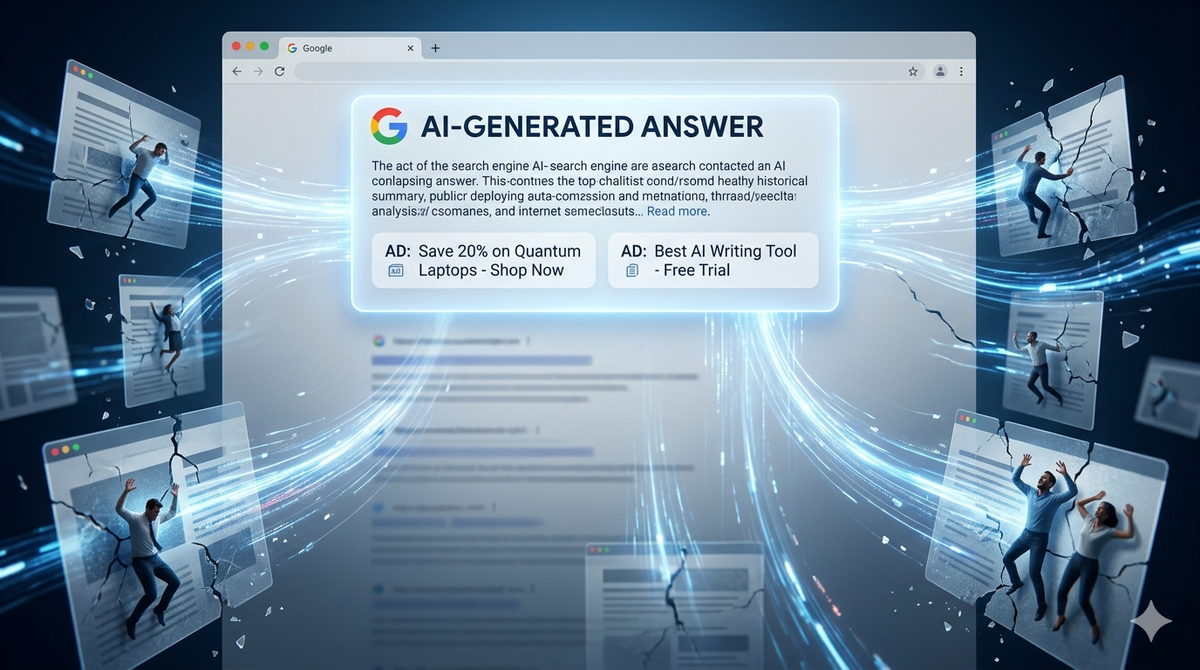
What happens when the answer box starts selling you things? That question is no longer hypothetical. Google is now testing ads inside its AI-generated search summaries, a move that is quickly turning into a flashpoint between the tech giant and publishers who rely on search traffic to survive.
Why Google Is Adding Ads to AI Search
Google’s AI-powered search experience is designed to deliver instant answers by summarizing information from across the web. These summaries reduce the need for users to click on links. While that improves convenience, it also disrupts Google’s traditional advertising model, which depends on user clicks.
To offset this, Google is experimenting with embedding ads directly into AI-generated responses. Given that advertising makes up the majority of Alphabet’s revenue, the move reflects a strategic attempt to protect its core business as user behavior shifts.
Publishers Push Back as Traffic Declines
The backlash from publishers has been immediate. Many argue that AI summaries already reduce visibility by answering questions without directing users to original sources. Adding ads into those summaries intensifies the problem by allowing Google to profit from content without sharing meaningful traffic.
Early industry signals suggest that click-through rates for certain types of queries are declining. For smaller publishers and independent creators, this could translate into significant revenue losses, raising concerns about long-term sustainability.
Google testing ads inside AI-generated search summaries as publishers push back
This shift is at the center of a growing debate about fairness in the digital economy. Publishers are questioning whether their content is being used to train and power AI systems that ultimately compete with them for user attention and advertising dollars.
Some industry groups are calling for clearer attribution, compensation models, or regulatory intervention. The concern is not just about revenue, but about maintaining a healthy ecosystem where content creators are incentivized to produce high-quality information.
The Impact on User Trust
For users, the integration of ads into AI-generated answers introduces new challenges. While AI summaries are faster and often useful, the presence of sponsored content within those answers can blur the line between objective information and paid promotion.
Google has stated that ads will be clearly labeled, but skepticism remains. Trust in search results has always depended on perceived neutrality, and any erosion of that trust could have long-term consequences.
A New Phase in the Evolution of Search
The move signals a broader transformation in how search engines operate. Instead of acting as gateways to external websites, AI-driven platforms are increasingly becoming destinations themselves. This changes the flow of traffic, revenue, and control across the internet.
If publishers continue to lose traffic, the diversity and quality of online content could decline over time. At the same time, users may become more dependent on a handful of platforms for information.
Conclusion
The introduction of ads into AI-generated search summaries reflects a deeper shift in the economics of the web. While it helps Google adapt to changing user behavior, it also raises critical questions about fairness, trust, and sustainability. The balance between innovation and the health of the open internet is now under pressure, and the outcome will shape the future of digital information.
Fast Facts: Google testing ads inside AI-generated search summaries as publishers push back Explained
What is Google testing with AI search summaries?
Google testing ads inside AI-generated search summaries as publishers push back means sponsored content is being placed directly within AI-generated answers, combining ads with organic information in a single response.
Why are publishers concerned about this change?
Google testing ads inside AI-generated search summaries as publishers push back reduces website visits since users get answers instantly, while publishers lose traffic and Google still earns from ad placements.
What is the main risk for users and the web?
Google testing ads inside AI-generated search summaries as publishers push back may blur the line between ads and facts, potentially weakening user trust and hurting the long-term sustainability of independent content creators.