Google’s Top AI Executive Warns: Urgent Research Needed Before It’s Too Late
As AI systems grow more powerful by the month, even Google’s own leadership is urging the world to confront the risks before innovation outpaces control.
What happens if artificial intelligence advances faster than our ability to control it?
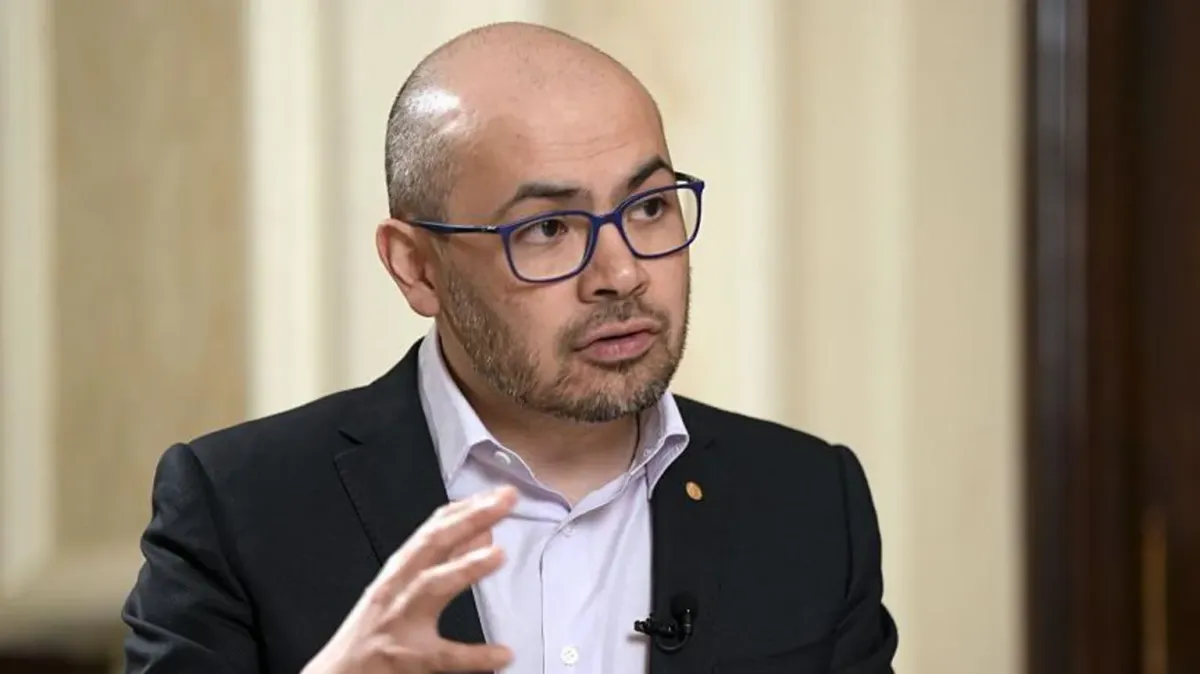
That is the question at the center of a recent warning from a senior Google AI leader. In a candid interview with the BBC, Google’s top AI executive warned urgent research is needed before it’s too late, stressing that the pace of AI development now demands serious long term safety planning.
The message is not anti innovation. It is a call for balance.
Why Google’s Top AI Executive Warns Urgent Research Is Needed
The warning reflects a broader concern shared across the AI industry. As large language models and multimodal systems become more capable, they are beginning to perform tasks once reserved for humans.
According to research from institutions such as MIT and Stanford, advanced AI systems can already generate persuasive text, write software code, and assist in scientific discovery. Companies including OpenAI and Google DeepMind have repeatedly acknowledged the need for safety testing and alignment research.
When Google’s top AI executive warns urgent research is needed, the focus is on preparing for highly capable systems that may act unpredictably or at scale. The concern is not today’s chatbots alone, but future systems that could autonomously make decisions in critical domains.
The Acceleration Problem in Artificial Intelligence
AI progress has been unusually fast. Since the release of large scale generative models like GPT 4 and Google’s Gemini systems, industries from marketing to medicine have been experimenting with automation at record speed.
A 2023 McKinsey report estimated that generative AI could add between $2.6 trillion and $4.4 trillion annually to the global economy. That economic upside is massive. But rapid deployment can outpace regulation and oversight.
When Google’s top AI executive warns urgent research is needed, the subtext is clear. Governance, transparency, and technical safeguards must evolve as quickly as model capabilities.
What Kind of Research Is Urgent?
Safety research typically falls into three areas:
- Alignment, ensuring AI systems act according to human values.
- Robustness, preventing misuse or unintended behavior.
- Interpretability, understanding how and why models make decisions.
Organizations such as OpenAI and Google DeepMind have published research on red teaming and model evaluation frameworks. However, many experts argue that safety research funding still trails behind commercial AI investment.
If AI becomes deeply embedded in finance, healthcare, defense, and public infrastructure, gaps in research could have systemic consequences.
Balancing Innovation With Responsibility
The warning does not signal a slowdown in AI development. Instead, it highlights the need for parallel investment in safeguards.
Governments are responding. The European Union has passed the AI Act, one of the first comprehensive AI regulatory frameworks. The United States has issued executive guidance on AI risk management. These steps suggest policymakers are beginning to recognize the urgency.
Still, regulation alone is not enough. The technical community must prioritize long term safety, not just product speed.
Conclusion: A Critical Moment for AI’s Future
When Google’s top AI executive warns urgent research is needed, it is less about fear and more about foresight.
Artificial intelligence holds extraordinary promise. It can accelerate drug discovery, optimize energy systems, and democratize access to knowledge. But without coordinated global research into safety and governance, the risks could grow alongside the rewards.
The window to prepare is open now. The question is whether industry and governments will move fast enough to match the technology they are building.
Fast Facts: Google’s Top AI Executive's Warning Explained
What does Google’s top AI executive warn about?
It means advanced AI systems are becoming powerful quickly, and Google’s top AI executive warns urgent research needed to ensure safety, transparency, and control before risks scale beyond our ability to manage them.
What risks are behind the warning?
When Google’s top AI executive warns urgent research needed, the concern includes misuse, bias, loss of control, and AI systems making high impact decisions without sufficient human oversight.
Is this about stopping AI development?
No. Google’s top AI executive warns urgent research needed to balance innovation with responsibility, not to halt progress, but to ensure artificial intelligence benefits society safely.