India-UK Cooperation in AI and Telecommunications Technologies Enters a Strategic Phase
As artificial intelligence and next-generation telecom networks redefine global power, India and the UK are doubling down on a strategic tech alliance.
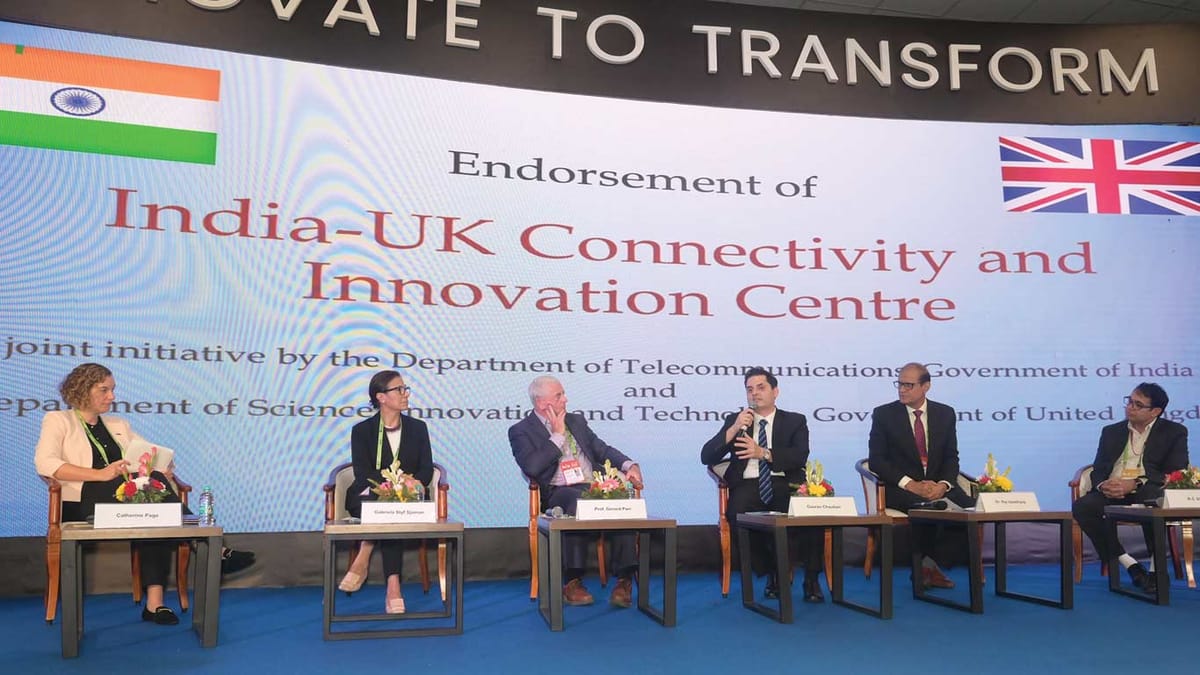
Can two democracies shape the future of artificial intelligence and telecom standards together? That is the larger question behind the renewed India-UK cooperation in AI and telecommunications technologies, a partnership that signals more than diplomatic goodwill.
According to official statements released during high-level engagements, India and the United Kingdom have reaffirmed their commitment to deepen collaboration in artificial intelligence, telecom infrastructure, and emerging digital technologies. At a time when AI governance and 5G and 6G standards are becoming geopolitical priorities, this partnership carries real strategic weight.
Why India-UK Cooperation in AI and Telecommunications Technologies Matters
The renewed focus on India-UK cooperation in AI and telecommunications technologies comes as both countries push forward national AI strategies. India has accelerated its digital transformation through initiatives such as Digital India and its national AI mission. The UK, meanwhile, has positioned itself as a global AI policy leader, hosting the 2023 AI Safety Summit and backing frontier research institutions.
Telecommunications is equally critical. With 5G deployment expanding and 6G research underway globally, cooperation on standards, cybersecurity, and resilient infrastructure can shape market access and innovation pipelines.
For India, this means access to advanced research ecosystems and regulatory insights. For the UK, it opens opportunities in one of the world’s fastest-growing digital economies.
Key Areas of Collaboration
AI Research, Governance, and Innovation
The partnership emphasizes responsible AI development. Both countries have highlighted the importance of ethical frameworks, transparency, and safety in AI systems. This aligns with global conversations led by institutions such as OpenAI and academic bodies including MIT, which stress risk mitigation alongside innovation.
Joint research programs, startup exchanges, and talent mobility are expected to form the backbone of this cooperation. AI applications in healthcare, climate modeling, and public services are likely focus areas.
Telecom Standards and Future Networks
Telecommunications technologies form the infrastructure layer of AI-driven economies. As global competition intensifies around 6G research and secure network supply chains, India-UK cooperation in AI and telecommunications technologies could influence how interoperable and secure systems are designed.
Collaboration may extend to spectrum management, cybersecurity resilience, and open radio access networks. These are not abstract policy goals. They directly affect digital inclusion, defense communications, and economic competitiveness.
Strategic and Economic Implications
The global AI market is projected to grow into the trillions over the coming decade, according to multiple industry analyses. Telecommunications investment remains central to that expansion, as AI models increasingly depend on high-speed, low-latency networks.
For businesses, this bilateral alignment can unlock cross-border investments, research funding, and regulatory clarity. For startups, it creates potential access to dual markets and collaborative innovation frameworks.
However, challenges remain. Data governance differences, export controls, and cybersecurity risks require careful coordination. Responsible AI cannot be reduced to rhetoric. It must translate into enforceable safeguards.
A Balanced Outlook on the Partnership
The reaffirmation of India-UK cooperation in AI and telecommunications technologies reflects a pragmatic understanding of technological interdependence. Yet cooperation must navigate domestic policy shifts, geopolitical pressures, and rapid technological change.
Success will depend on sustained funding, measurable outcomes, and transparent governance. Strategic announcements matter, but execution determines long-term impact.
Conclusion: A Digital Alliance with Global Relevance
The strengthening of India-UK cooperation in AI and telecommunications technologies positions both countries at the intersection of innovation and regulation. If executed effectively, this alliance could shape AI standards, telecom resilience, and digital trade for years to come.
For industry leaders and policymakers, the takeaway is clear. Watch joint research initiatives, telecom standard-setting efforts, and AI governance frameworks. They will reveal whether this partnership evolves from policy intent into technological influence.
Fast Facts: India-UK Cooperation in AI and Telecommunications Technologies Explained
What is India-UK cooperation in AI and telecommunications technologies?
India-UK cooperation in AI and telecommunications technologies refers to a bilateral commitment to collaborate on artificial intelligence research, telecom infrastructure, digital standards, and responsible innovation to strengthen both economies and enhance global digital governance.
What can this partnership realistically achieve?
Through India-UK cooperation in AI and telecommunications technologies, both countries can advance joint research, influence telecom standards, improve cybersecurity frameworks, and support AI-driven industries in healthcare, climate, and public services.
What are the main limitations or risks?
India-UK cooperation in AI and telecommunications technologies faces challenges such as regulatory differences, data privacy concerns, funding constraints, and geopolitical pressures that could slow implementation or create policy friction.