India’s Yotta AI Hub: How Nvidia GPU Demand Is Rewriting Data Center Strategy
A $2 billion Nvidia GPU bet could turn India into Asia’s next AI compute superpower.
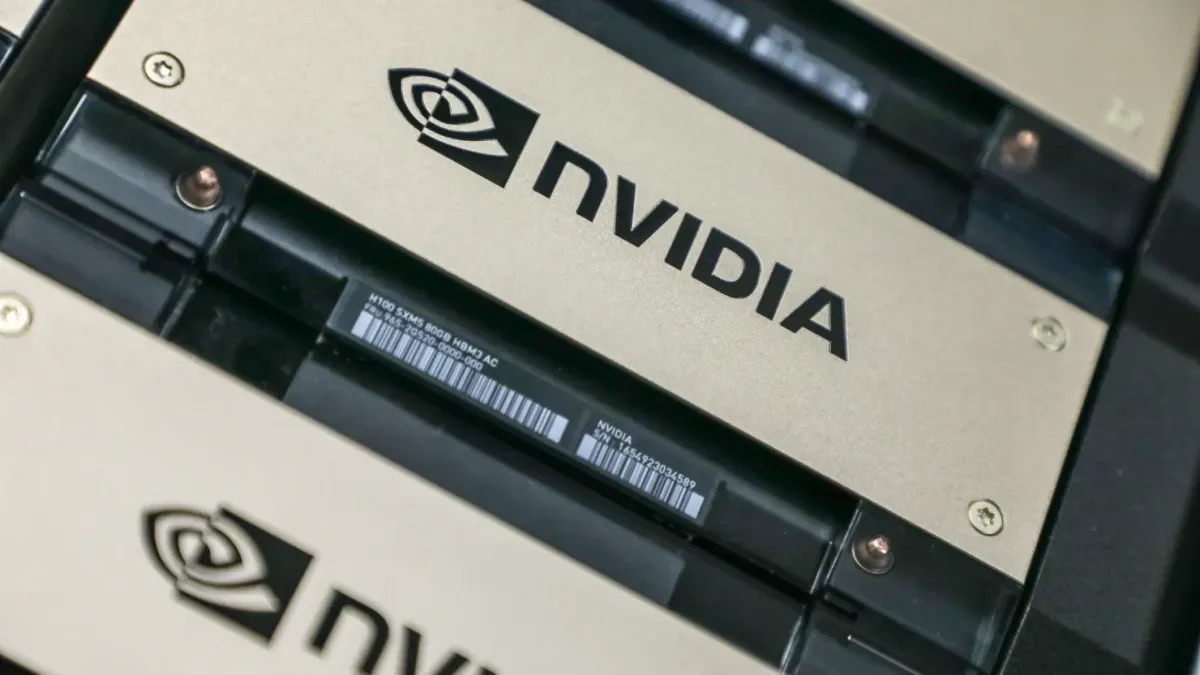
Can India become a global AI infrastructure powerhouse? With a $2 billion investment to build an Nvidia GPU-powered AI hub, Yotta Data Services is betting it can. The announcement reflects both surging demand for AI compute and a strategic pivot toward domestic data center capacity that can host frontier AI workloads.
Nvidia GPU Demand and India’s AI Infrastructure Race
India’s data center industry is already poised for rapid expansion with domestic capacity set to nearly double in the next few years. Yet demand for high-performance graphics processing units (GPUs), particularly Nvidia’s latest Blackwell Ultra chips, is outpacing supply. This shortage threatens progress on local AI model development unless compute capacity scales rapidly.
Yotta’s initiative comes amidst this compute crunch. The company plans to deploy more than 20,700 Nvidia Blackwell Ultra GPUs to build one of Asia’s largest AI compute hubs by August 2026. This deployment will make India a host for large-scale model training and high-throughput inference workloads.
Strategic Investment: What Yotta’s $2 Billion AI Hub Means
The investment positions Yotta at the heart of India’s emerging AI infrastructure ecosystem. The company already runs approximately 10,000 GPUs in production, with thousands more coming online soon, supporting a growing portfolio of enterprise, research, and sovereign AI workloads.
By anchoring the build with Nvidia hardware and software, the hub is designed to support trillion-parameter AI model training, hyperscale cloud services, and GPU-leasing offerings that enable startups and institutions to deploy AI without building compute from scratch.
Data Center Expansion Beyond Compute
The hub itself will be spread across Yotta’s Greater Noida and Navi Mumbai campuses, both capable of scaling to multi-hundreds of megawatts of power and supporting massive liquid-cooled GPU clusters. These facilities align with India’s broader data center growth, which is being driven by data localisation policies, enterprise cloud adoption, and national AI mission targets.
This investment also dovetails with national and private sector efforts. Global cloud providers and Indian states alike are signing deals to build hyperscale facilities equipped for AI workloads, strengthening the ecosystem further and attracting additional hardware vendors and software developers.
Risks, Constraints and Market Dynamics
Heavy reliance on Nvidia hardware, while strategically advantageous today, poses potential supply risk. Nvidia chips remain in short supply globally due to strong demand from U.S., European, and Asian markets alike. If supply chain bottlenecks persist, India’s compute ambitions could face delays.
Energy consumption and sustainability also loom as challenges. Large GPU installations require significant power and cooling infrastructure, raising environmental and cost considerations for operators and regulators.
Conclusion
Yotta’s $2 billion Nvidia GPU-powered AI hub is a watershed moment for India’s AI infrastructure ambitions. It moves the country beyond simply consuming AI services toward becoming a regional compute hub with sovereign capabilities. But achieving this vision will require navigating supply chain constraints, energy sustainability challenges, and competitive pressures from global cloud leaders.
Internal Linking Anchor Text Suggestions
- India AI mission infrastructure goals
- How Nvidia’s Blackwell GPUs power AI compute
- Data center growth trends in India
- Sovereign AI and national compute strategies
Fast Facts: India Yotta Nvidia AI GPU Demand Explained
What is the India Yotta Nvidia AI GPU demand data centers investment about?
It refers to Yotta’s $2 billion project to build an AI compute hub in India using Nvidia GPUs to meet rising demand for large AI model training and inference infrastructure.
Why are Nvidia GPUs critical in this context?
Nvidia GPUs provide the high-performance compute that modern AI models require, and Yotta’s deployment signals strong demand that is outstripping current supply.
What are the main challenges?
Key constraints include global GPU supply limitations and the energy costs of running high-density data centers, which could affect timelines and sustainability.