Mark Ruffalo Joins QuitGPT Campaign: Why the AI Backlash Is Growing
What happens when a Hollywood A-lister takes a stand against the world’s most powerful AI tools?
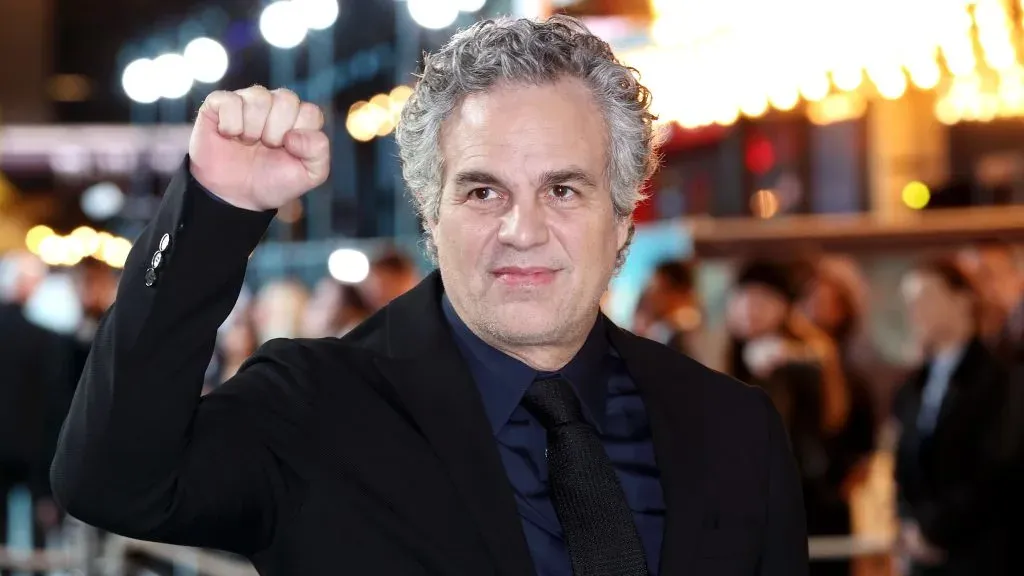
Is the AI boom moving too fast for its own good?
That question is at the heart of the growing QuitGPT campaign, a movement urging people to reconsider their use of generative AI tools like ChatGPT. When a Hollywood figure like Mark Ruffalo publicly aligns with such a campaign, it signals something bigger than celebrity activism. It highlights rising public anxiety about how artificial intelligence is reshaping work, creativity, and society.
Here is what the Mark Ruffalo QuitGPT campaign is about, why it matters, and what it reveals about the future of AI.
What Is the QuitGPT Campaign?
The QuitGPT campaign calls on users to step back from generative AI platforms, arguing that rapid AI deployment may harm creative industries, workers, and public discourse.
The movement taps into broader concerns already voiced by AI researchers and institutions. In 2023, the Future of Life Institute published an open letter calling for a pause on advanced AI development, signed by tech leaders and academics. Meanwhile, outlets like MIT Technology Review and Stanford’s AI Index have documented both explosive growth in AI capabilities and rising ethical concerns.
Ruffalo’s involvement amplifies these worries for a mainstream audience, especially in entertainment, where generative AI tools are increasingly used for scripts, visual effects, and voice replication.
Why Celebrities Are Speaking Out About AI
Hollywood has already faced AI-related tensions. During recent industry labor disputes, concerns over AI-generated scripts and digital likeness replication became central negotiation points.
The Mark Ruffalo QuitGPT campaign reflects a broader fear that generative AI could undercut writers, actors, and artists. According to McKinsey, generative AI could automate tasks that account for up to 30 percent of hours worked across the U.S. economy by 2030. That potential productivity boost also implies significant job displacement risk.
For creative professionals, the question is not just economic. It is about ownership, consent, and the value of human storytelling.
The Case For and Against Generative AI
The QuitGPT campaign arrives at a time when generative AI tools are widely adopted across business, education, and software development.
Proponents argue that AI boosts productivity, lowers barriers to creativity, and democratizes access to tools once limited to experts. OpenAI, Google AI, and others continue to publish research showing rapid improvements in language models and multimodal systems.
Critics counter that these systems are trained on vast datasets that may include copyrighted material, raising unresolved legal questions. There are also concerns about misinformation, deepfakes, and bias in AI outputs.
Both sides agree on one thing: regulation and transparency have not kept pace with innovation.
What This Means for the Future of AI
Mark Ruffalo joining QuitGPT campaign is unlikely to halt AI development. However, it does signal growing public scrutiny.
We are entering a phase where AI adoption is no longer purely about capability. It is about governance, consent, and accountability. Governments in the European Union have already passed the AI Act to establish risk-based rules for AI systems. Similar policy debates are ongoing in the United States and other regions.
For businesses and creators, the practical takeaway is clear. AI use should be strategic, transparent, and ethically grounded. Blind adoption carries reputational and regulatory risks.
Conclusion
The QuitGPT campaign is not simply about quitting a chatbot. It reflects a deeper tension between technological acceleration and social responsibility.
AI is not going away. But the rules around how it is built, trained, and deployed are still being written. Whether you see AI as a tool for empowerment or a threat to human creativity, the conversation sparked by the Mark Ruffalo QuitGPT campaign is one that will shape the next decade of innovation.
Fast Facts: Mark Ruffalo QuitGPT Campaign Explained
What is the QuitGPT campaign?
The QuitGPT campaign is a public call to limit or reconsider the use of generative AI tools, citing concerns about job loss, copyright, and ethical risks in creative industries.
Why did Mark Ruffalo support the QuitGPT campaign?
The QuitGPT campaign aligns with worries in Hollywood about AI replacing writers and actors, and about the unauthorized use of creative work in training AI systems. OpenAI's ties to Trump and ICE are also considered a reason why he joined the boycott.
Does the QuitGPT campaign oppose all AI?
No. The QuitGPT campaign focuses on generative AI misuse, not all artificial intelligence. The core issue is responsible development and fair compensation.


