Meta AI Glasses Privacy Problem: 7 Million Sold, Now What?
Seven million Meta AI glasses are now in the wild, and the real disruption may not be innovation, but privacy.
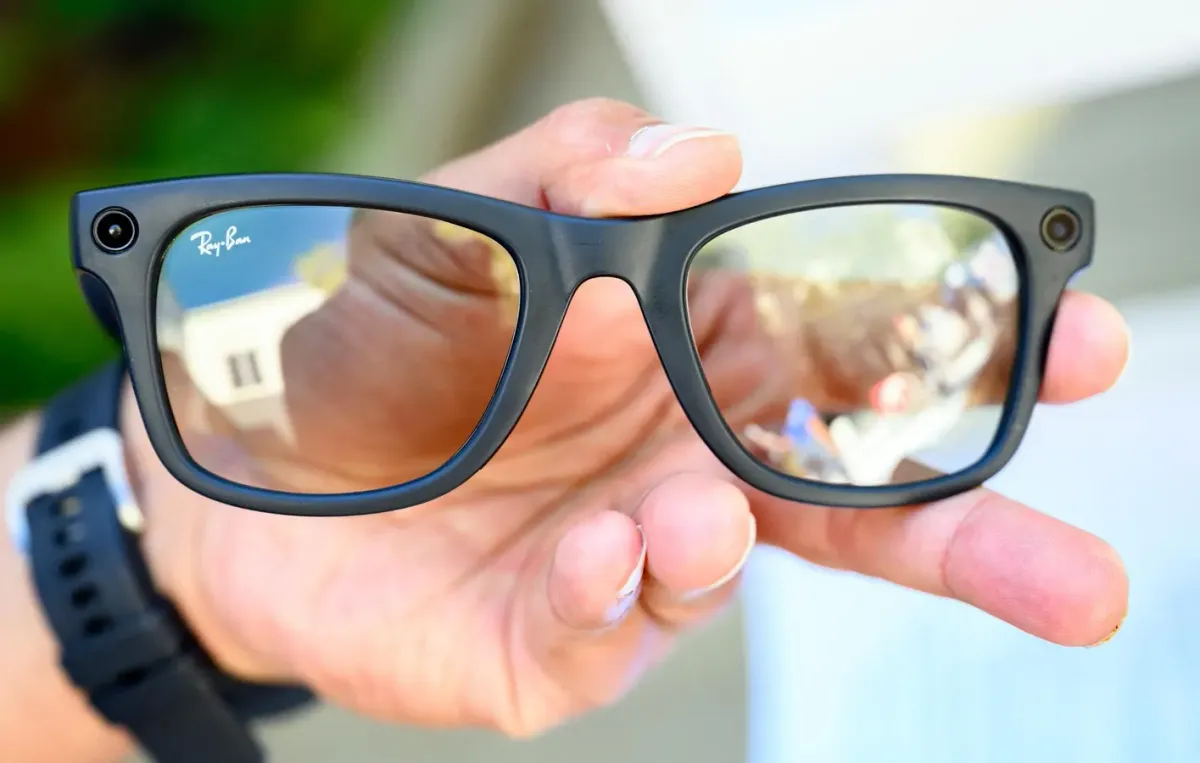
What happens when 7 million cameras are suddenly walking around in public?
That is the uncomfortable question emerging after Meta reportedly sold over 7 million AI-enabled smart glasses in 2025, according to industry coverage. The commercial success signals mainstream acceptance of wearable AI. But the Meta AI glasses privacy problem is quickly becoming the bigger story.
Smart glasses powered by AI are no longer a niche experiment. They are becoming a new computing platform. And with that shift comes real ethical and regulatory pressure.
The Rise of Meta AI Glasses
Meta’s partnership with Ray-Ban under parent company Meta Platforms has turned AI glasses into a mass-market product. Unlike earlier smart glasses that struggled with design and adoption, these models look nearly identical to traditional eyewear.
They include cameras, microphones, speakers, and AI assistants capable of taking photos, recording video, answering questions, and translating speech in real time. Integration with Meta’s AI ecosystem makes them an always-on gateway to generative AI tools.
Seven million units sold in a single year signals more than curiosity. It signals habit formation.
Why the Meta AI Glasses Privacy Problem Is Escalating
The core issue is visibility. When someone uses a smartphone camera, it is obvious. With AI glasses, recording can be discreet.
Even though Meta includes LED indicators to signal when recording is active, critics argue that most bystanders will not notice. Civil liberties groups have warned that wearable AI devices could normalize ambient surveillance in public spaces.
The Meta AI glasses privacy problem extends beyond video. These devices collect voice inputs, environmental data, and potentially biometric information. Depending on how data is stored and processed, risks include unauthorized data access, misuse, or algorithmic profiling.
Regulators in Europe and the United States are already scrutinizing how AI devices align with privacy laws such as the GDPR. As wearable AI scales, enforcement will likely intensify.
Real-World Impact: Convenience vs. Consent
From a user perspective, AI glasses are undeniably useful. They can:
- Translate foreign languages in real time
- Identify objects and landmarks
- Capture hands-free video for creators
- Provide contextual AI assistance on demand
For travelers, content creators, and professionals, this is powerful.
But for bystanders, the equation is different. Consent becomes ambiguous when recording devices are embedded into everyday objects. Public trust in AI technologies depends heavily on transparency and accountability.
If users do not trust how their data is handled, adoption could stall. History shows this pattern in previous tech waves, from facial recognition to social media data scandals.
Can Meta Contain the Backlash?
Meta states that its smart glasses are built with privacy safeguards, including visible recording indicators and user controls over stored content. However, scale changes everything.
When millions of devices are active in public spaces, even small design flaws can become systemic risks. The Meta AI glasses privacy problem will likely push companies to invest more in edge computing, stronger encryption, and clearer user disclosures.
Industry analysts suggest that wearable AI will only succeed long term if privacy design becomes a competitive advantage rather than a compliance checkbox.
Conclusion: A Defining Moment for Wearable AI
Meta’s 7 million sales milestone proves that AI glasses are no longer experimental. They are entering everyday life.
But the Meta AI glasses privacy problem could define whether this category thrives or faces regulatory clampdowns. The companies that win in wearable AI will not just ship innovative hardware. They will build trust.
For readers and businesses, the takeaway is clear: Watch privacy policy updates, regulatory responses, and hardware design changes closely. Wearable AI is moving fast. The rules are still being written.
Fast Facts: Meta AI Glasses Privacy Problem Explained
What is the Meta AI glasses privacy problem?
The Meta AI glasses privacy problem refers to concerns about discreet video recording, voice data collection, and potential misuse of personal information captured by wearable AI devices in public and private spaces.
What can Meta AI glasses actually do?
Meta AI glasses can take photos, record videos, translate speech, and connect users to AI assistants. The Meta AI glasses privacy problem arises because these capabilities operate in everyday environments with limited visibility to bystanders.
Why are regulators concerned?
Regulators worry that the Meta AI glasses privacy problem could conflict with existing data protection laws. Continuous environmental data capture challenges consent, transparency, and data minimization principles central to modern privacy regulations.