Meta Expanding AI-Generated Influencers for Brand Collaborations
Meta is pushing deeper into AI-generated influencers, reshaping how brands collaborate, market, and engage audiences at scale. Here’s what it means for creators, companies, and consumers.
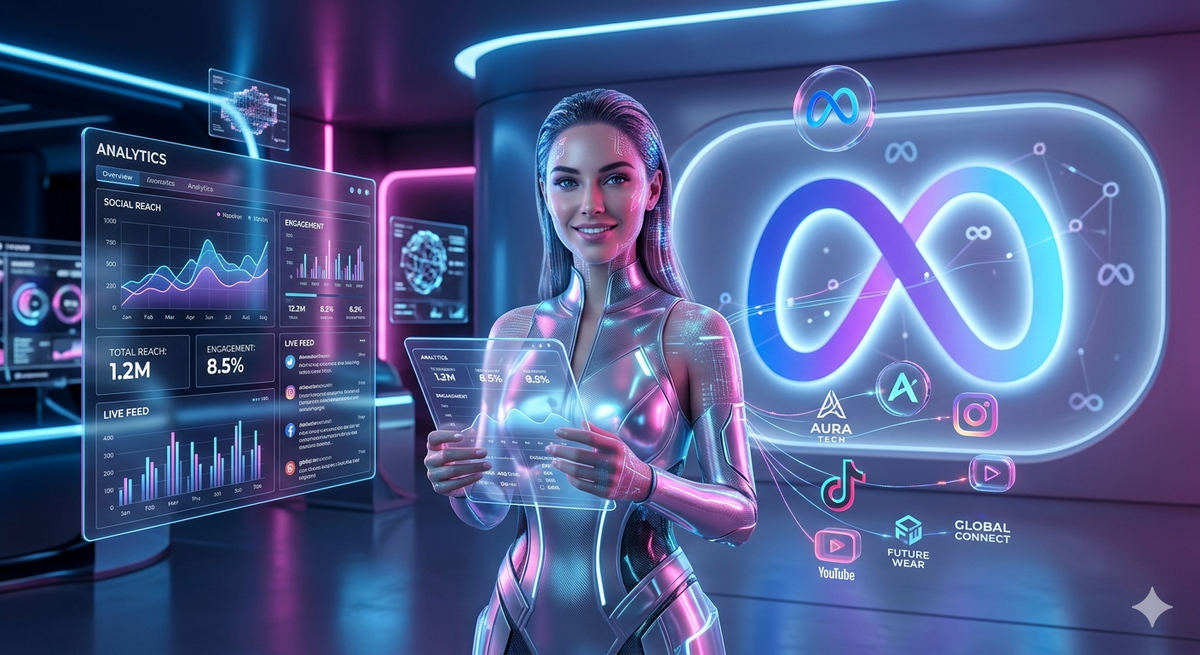
What if your next favorite influencer wasn’t human at all? That question is quickly becoming reality as Meta expanding AI-generated influencers for brand collaborations begins to reshape digital marketing at scale.
Instead of relying only on human creators, brands can now collaborate with fully AI-generated personalities that exist entirely online. These virtual influencers can create content, interact with followers, and promote products with precision and consistency. Meta is pushing this trend forward by integrating advanced AI tools directly into its ecosystem, including Instagram and Facebook.
The Rise of AI Influencers in Marketing
Meta expanding AI-generated influencers for brand collaborations marks a turning point in how influence is created and distributed. Virtual influencers are not limited by geography, time zones, or personal constraints. They can operate continuously, adapting content for different audiences across regions.
This trend builds on early success stories like virtual personalities that have already gained millions of followers. Meta’s scale and infrastructure could accelerate adoption across industries, from fashion to tech and entertainment.
Why Brands Are Embracing AI-Generated Influencers
The business case is straightforward. Meta expanding AI-generated influencers for brand collaborations offers brands greater control over messaging and brand identity. These influencers do not face reputational risks tied to personal behavior, which has historically been a challenge in influencer marketing.
Cost efficiency is another major factor. According to Influencer Marketing Hub, the global influencer marketing industry is expected to surpass 24 billion dollars in 2025. AI-generated influencers could significantly reduce production and campaign costs while increasing output.
For smaller companies, this opens doors that were previously limited to brands with large marketing budgets.
The Technology Powering the Shift
Behind this movement is rapid progress in generative AI. Meta’s advancements in multimodal systems allow AI influencers to generate realistic images, videos, and text while maintaining a consistent personality.
These systems can respond to comments, adjust tone based on audience interaction, and evolve over time. This creates a dynamic presence that feels increasingly human, even though it is entirely synthetic.
Ethical Concerns and Trust Challenges
Meta expanding AI-generated influencers for brand collaborations also raises critical concerns. Transparency remains a key issue. Audiences may not always know whether they are interacting with a real person or an AI-generated identity.
Regulators, particularly in regions like the European Union, are pushing for clearer disclosure rules. Without transparency, brands risk eroding trust, which is the foundation of influencer marketing.
There is also concern about the impact on human creators. AI influencers could intensify competition and reduce opportunities, especially for emerging influencers trying to establish themselves.
The Future of Brand Collaborations
The future is likely to be a hybrid model. Meta expanding AI-generated influencers for brand collaborations does not eliminate human creators but changes their role. AI can handle scalability and repetitive content, while humans bring authenticity and lived experience.
Brands that combine both effectively will have a competitive edge. They can leverage AI for efficiency while maintaining genuine connections with audiences through human storytelling.
As this space evolves, the balance between innovation and trust will determine long-term success. Technology may redefine influence, but human connection remains central to engagement.
Fast Facts: Meta Expanding AI-Generated Influencers for Brand Collaborations Explained
What does Meta expanding AI-generated influencers for brand collaborations mean?
It refers to Meta creating AI-powered virtual personalities for marketing. Meta expanding AI-generated influencers for brand collaborations allows brands to run campaigns using digital influencers instead of relying only on humans.
How can brands use Meta expanding AI-generated influencers for brand collaborations?
Brands can create custom AI influencers for ads, social media, and global campaigns. Meta expanding AI-generated influencers for brand collaborations helps scale content and maintain consistent messaging.
What are the risks of Meta expanding AI-generated influencers for brand collaborations?
Key risks include lack of transparency, reduced trust, and pressure on human creators. Meta expanding AI-generated influencers for brand collaborations may blur the line between real and artificial influence.