Meta Facing Internal Pushback Over Increased Focus on AI-Generated Content
Meta’s aggressive push toward AI-generated content is triggering internal resistance, raising concerns over quality, ethics, and the future of human-driven creativity across its platforms.
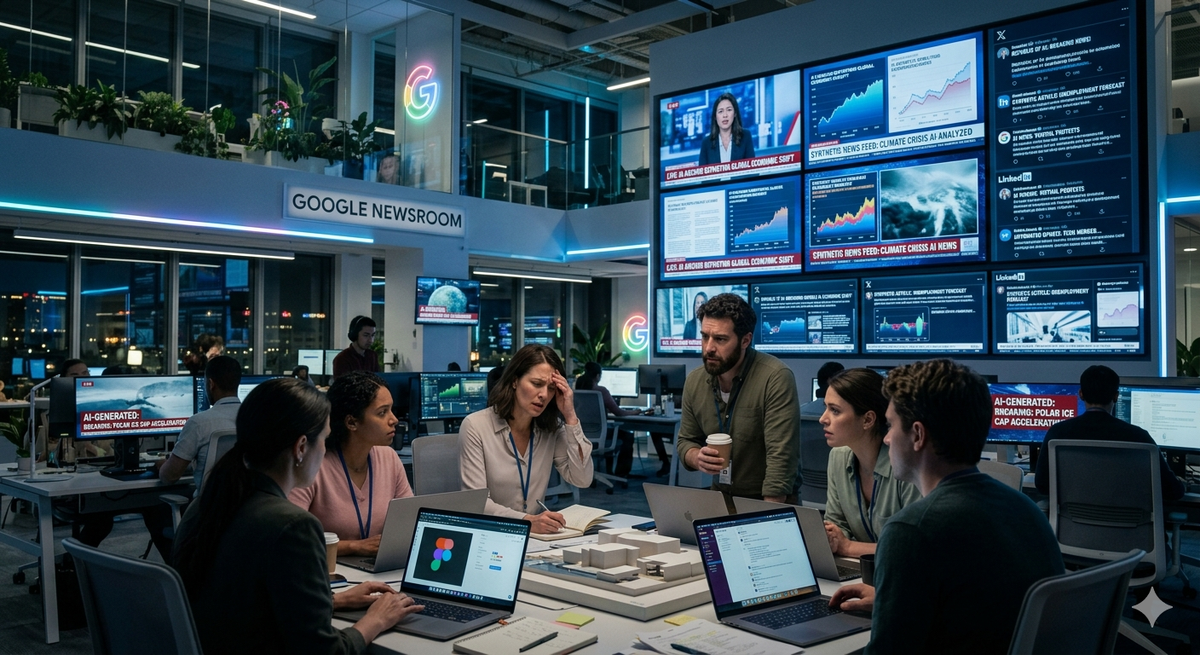
What happens when a tech giant bets too heavily on machines over humans? That question is now central as Meta faces growing internal resistance over its increasing reliance on AI-generated content across its platforms.
Meta has been aggressively integrating generative AI into Facebook, Instagram, and WhatsApp. From auto-generated posts to AI-assisted advertising, the company is pushing toward a future where content creation is faster, cheaper, and highly scalable. But inside the company, not everyone is convinced this strategy will pay off.
A Strategic Shift That’s Raising Eyebrows
Meta’s push toward AI-generated content is driven by the need to boost engagement and compete with rivals investing heavily in artificial intelligence. Leadership sees AI as a tool to personalize user experiences and streamline ad creation. However, internal discussions reveal concerns about whether this shift is happening too quickly.
Employees worry that prioritizing machine-generated content over human creativity could undermine the platforms’ original appeal. Social media was built on authentic human interaction. Replacing that with automated content risks changing the core experience.
Quality Versus Scale
One of the biggest concerns is quality. AI systems can produce massive volumes of content, but they often lack context, cultural sensitivity, and accuracy. This creates a risk of flooding platforms with low-value or misleading posts.
Meta has already faced criticism over misinformation. Expanding AI-generated content could make moderation more complex. Employees fear that existing safeguards may not be enough to handle the scale and speed of AI outputs.
Business Pressure Driving AI Adoption
Despite internal pushback, the business incentives are strong. AI tools allow advertisers to generate campaigns quickly, reducing costs and increasing efficiency. Personalized recommendations powered by AI can also keep users engaged for longer periods.
Meta’s leadership has made it clear that AI is central to its long-term strategy. With competitors rapidly advancing in generative AI, slowing down could mean losing market share. This puts additional pressure on teams to adopt and scale AI solutions, even amid concerns.
Ethical and Trust Challenges
The rise of AI-generated content introduces serious ethical questions. Issues around originality, bias, and accountability are becoming harder to ignore. AI models can produce convincing but inaccurate information, which can spread quickly across large platforms.
Employees are particularly concerned about user trust. If people cannot distinguish between human and AI-generated content, it could erode confidence in what they see online. Trust, once lost, is difficult to rebuild.
Impact on Users and Creators
For users, the shift may result in more content but less authenticity. Feeds could become increasingly dominated by algorithmically generated posts designed to maximize engagement rather than meaningful interaction.
For creators, AI presents both a challenge and an opportunity. While it lowers the barrier to content creation, it also introduces competition from automated systems that can produce content at scale. The value of human creativity may need to be redefined in this new environment.
Conclusion
Meta’s internal pushback highlights a broader tension across the tech industry. The drive for innovation and efficiency is colliding with concerns about quality, ethics, and trust. How Meta navigates this balance will shape not just its own future, but the future of social media as a whole.
Fast Facts: Meta Facing Internal Pushback Over Increased Focus on AI-Generated Content Explained
What is happening at Meta with AI content?
Meta facing internal pushback over increased focus on AI-generated content refers to employee concerns about the rapid integration of AI tools across its platforms for posts, ads, and recommendations.
Why is AI-generated content controversial at Meta?
Meta facing internal pushback over increased focus on AI-generated content is driven by concerns over misinformation, declining quality, and risks to user trust as automated content increases.
What could this mean for users?
Meta facing internal pushback over increased focus on AI-generated content could lead to more automated posts, raising concerns about authenticity, reliability, and the overall user experience.