Meta quietly rolling out AI personas to boost engagement across its platforms
Meta is introducing AI-powered personas across Instagram, Facebook, and WhatsApp to drive engagement. Here’s how these digital characters work, why they matter, and what risks they bring.
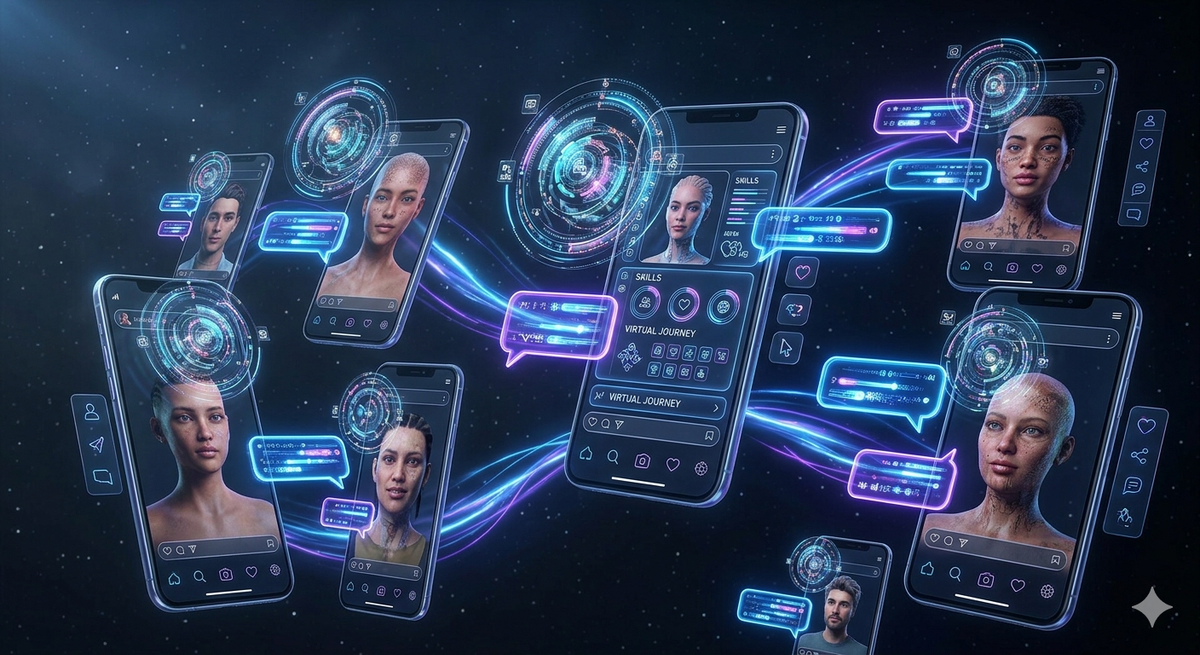
What if your next favorite influencer wasn’t human at all? That is no longer hypothetical. Meta is quietly testing AI-generated personas across its platforms, aiming to reshape how users interact, create, and consume content.
What are Meta’s AI personas and why now?
Meta quietly rolling out AI personas to boost engagement across its platforms is part of a broader push to compete in the generative AI race. These personas are AI-driven characters with distinct personalities, voices, and backstories. Some act as creators, others as assistants or entertainers.
Meta’s AI roadmap and developer updates show a clear focus on generative AI tools that allow brands and users to build custom AI agents. The goal is to increase time spent on platforms like Instagram and Facebook.
How AI personas are being integrated
Meta is embedding these personas directly into user experiences. On Instagram, AI personas can respond to comments, generate captions, and simulate influencer-style interactions. On WhatsApp, they appear as chat-based assistants.
This reflects a wider industry shift. A McKinsey report estimates generative AI could add up to $4.4 trillion annually to the global economy, driven by productivity and engagement gains. Meta is positioning itself to capture that value.
Meta quietly rolling out AI personas to boost engagement across its platforms
Meta quietly rolling out AI personas to boost engagement across its platforms is not just about novelty. These personas are designed to keep users engaged through personalized, always-on interaction.
For creators, this means scaling content without burnout. For users, it means more responsive experiences. It also blurs the line between real and artificial engagement, raising questions about authenticity.
The upside for users and creators
AI personas can help small creators maintain consistent engagement, while brands can automate customer interactions. Users benefit from faster and more personalized responses.
Meta has reported increased engagement in early AI feature tests, though detailed figures remain limited. The company is focused on making interactions feel natural to improve retention.
Risks, ethics, and the authenticity problem
If AI personas dominate interactions, users may struggle to distinguish real voices from synthetic ones. This risks eroding trust.
There are also concerns about misinformation, bias in AI-generated responses, and potential manipulation. Regulators in the EU and US are already examining AI-generated content, especially when it closely mimics human behavior.
Conclusion
Meta quietly rolling out AI personas to boost engagement across its platforms signals a shift in social media dynamics. These digital characters could redefine content creation and interaction, but they introduce risks around trust and transparency. The next phase of social media will likely be shaped by AI-assisted experiences at every level.
Fast Facts: Meta quietly rolling out AI personas to boost engagement across its platforms Explained
What are Meta’s AI personas?
Meta quietly rolling out AI personas to boost engagement across its platforms refers to AI-generated characters that interact with users like real people, offering content, replies, and engagement across apps like Instagram and WhatsApp.
What can these AI personas do?
Meta quietly rolling out AI personas to boost engagement across its platforms enables automated replies, content creation, and personalized interactions that mimic human behavior, helping creators and brands scale communication.
What are the risks of AI personas?
Meta quietly rolling out AI personas to boost engagement across its platforms raises concerns about authenticity, misinformation, and user trust, especially when users cannot easily tell if they are interacting with AI or humans.