Microsoft Integrating AI Copilots Deeper into Windows Core Features
Microsoft is embedding AI copilots directly into Windows core features, reshaping how users interact with their PCs while raising new questions about control, privacy, and productivity.
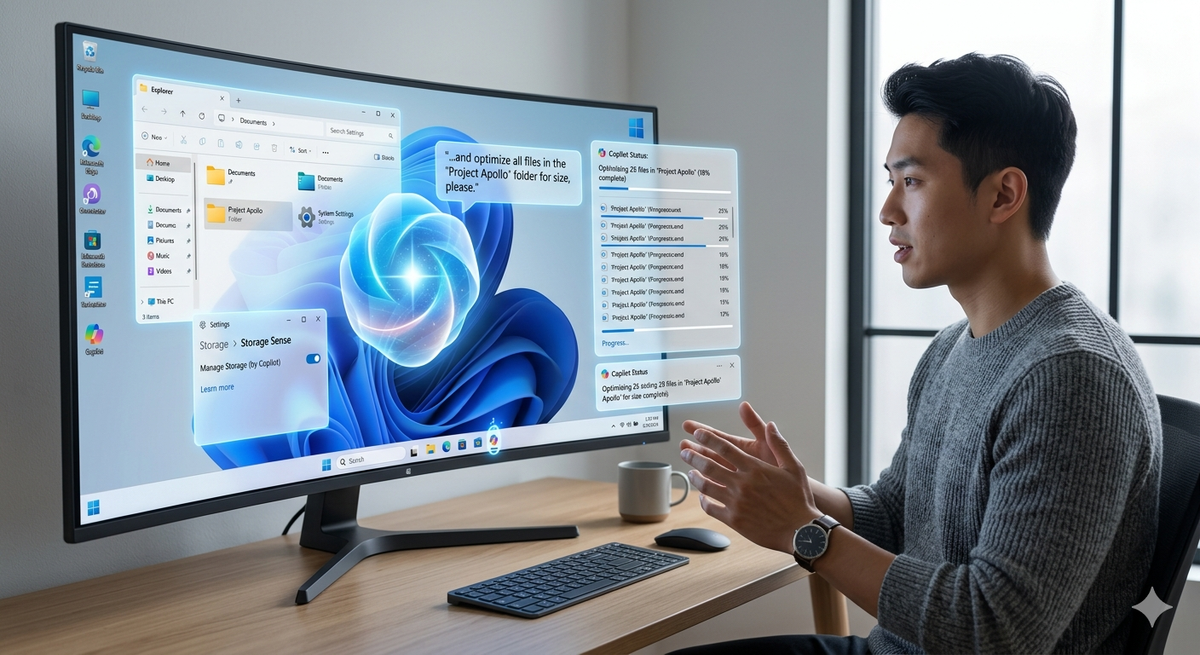
Is your operating system about to become your coworker? That is the direction Microsoft is pushing as it embeds AI copilots directly into the core of Windows. What was once an optional assistant is now evolving into a built-in layer that reshapes how users interact with their PCs.
A Shift From Tool to Infrastructure
Microsoft’s Copilot is no longer limited to a side panel. It is being integrated into core Windows functions such as file management, system settings, and application workflows. Users can now summarize documents, adjust configurations, and automate repetitive tasks using natural language.
This move reflects Microsoft’s broader AI strategy across its ecosystem, including Office and Azure. The goal is to reduce the gap between user intent and execution, making computing more intuitive and less dependent on manual navigation.
How Integration Changes Daily Use
The impact on everyday computing is immediate. Instead of navigating multiple menus, users can simply describe what they want. Tasks like freeing up storage, managing notifications, or optimizing performance can be handled through AI-driven commands.
For businesses, this reduces training time and simplifies workflows. For individual users, it unlocks advanced features that were previously difficult to access. However, this convenience may also reduce users’ understanding of how systems actually work.
Productivity Gains With Trade-Offs
Microsoft positions AI copilots as productivity enhancers. Industry research, including reports from McKinsey, suggests generative AI could improve productivity by up to 40 percent in certain knowledge-based tasks.
Despite these gains, risks remain. AI-generated suggestions are not always accurate, particularly in complex scenarios. Over-reliance on automation can lead to errors being overlooked, making human oversight still essential.
Privacy and Control Concerns
Deeper AI integration raises serious privacy questions. Copilots require access to user data to deliver contextual assistance. While Microsoft emphasizes enterprise-grade security and compliance, concerns persist about how much data is accessed and how it is used.
Users will need transparent controls to manage permissions and ensure sensitive information is protected. Trust will play a critical role in adoption.
The Bigger Strategic Play
This shift is about more than convenience. Microsoft is redefining the operating system as an AI-first platform. By embedding copilots into core features, the company strengthens its ecosystem and increases user reliance on its tools.
This strategy positions Windows to compete with similar AI initiatives from other major tech players. It also signals a long-term vision where operating systems evolve from passive tools into active digital assistants.
Conclusion
Embedding AI copilots into Windows core features marks a turning point in personal computing. The technology promises faster workflows and more intuitive interactions. At the same time, it introduces new challenges around privacy, accuracy, and user control.
The future of Windows will depend on how effectively Microsoft balances innovation with trust. The shift from clicking to asking is already underway. Whether users fully embrace it will depend on how reliable and transparent the experience becomes.
Fast Facts: Microsoft Integrating AI Copilots Deeper into Windows Core Features Explained
What does this integration actually mean?
Microsoft integrating AI copilots deeper into Windows core features means AI is embedded into system-level tasks, allowing users to manage settings, files, and actions using natural language instead of manual navigation.
What can users realistically do with it?
With Microsoft integrating AI copilots deeper into Windows core features, users can automate workflows, adjust system settings, summarize content, and receive contextual assistance directly within the operating system.
What are the main concerns?
The biggest concern with Microsoft integrating AI copilots deeper into Windows core features is privacy and reliability, since AI requires access to user data and may produce inaccurate or incomplete outputs.