NATO Shift From Tanks to Drones and AI Signals New Era of Warfare
NATO plans a major shift in defense strategy as it faces growing pressure from the United States to increase defense spending
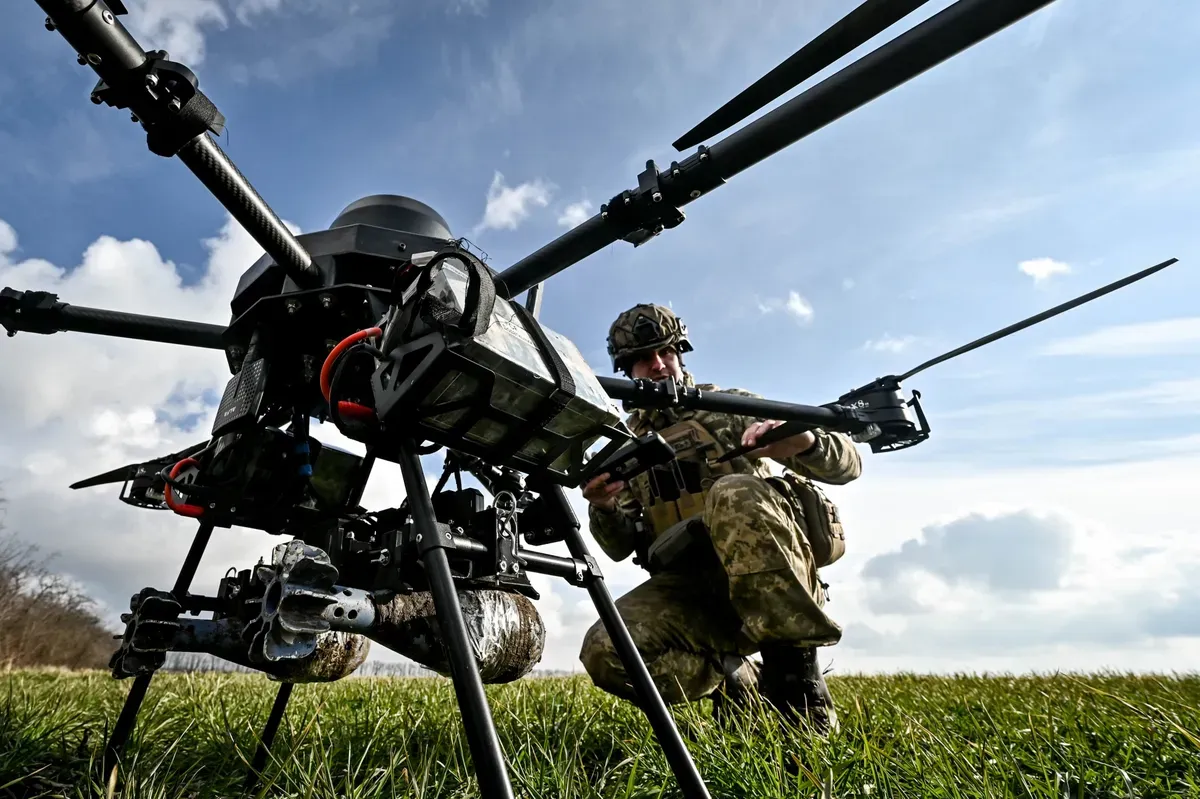
What if the next major war is not decided by tanks rolling across borders, but by algorithms, drones, and autonomous systems in the sky? That is the strategic shift the NATO alliance is now preparing for.
At its upcoming July summit in Ankara, NATO leaders are expected to formally accelerate a shift from tanks to drones and AI, redirecting investment away from traditional heavy armor toward emerging technologies that define modern warfare. Officials say the move reflects lessons from recent conflicts, especially the war in Ukraine, where drones, digital targeting systems, and artificial intelligence have dramatically reshaped the battlefield.
The transition also comes as NATO allies face growing pressure from the United States to increase defense spending and modernize military capabilities.
Why NATO Is Shifting From Tanks to Drones and AI
NATO's shift from tanks to drones and AI reflects a broader transformation in how wars are fought.
Traditional military hardware such as tanks, artillery, and armored vehicles remains important. However, modern conflicts increasingly rely on unmanned systems, AI-enabled targeting, and integrated logistics networks.
The war in Ukraine has highlighted this reality. Both Ukrainian and Russian forces have deployed thousands of drones for surveillance, targeting, and direct attacks. Small and inexpensive aerial systems have sometimes neutralized far more expensive military equipment.
According to defense analysts, low-cost drones combined with AI-driven intelligence systems allow militaries to identify targets faster, coordinate attacks more efficiently, and reduce risk to human soldiers.
For NATO planners, the takeaway is clear. Future wars will depend heavily on data, sensors, and autonomous systems.
The Role of AI and Autonomous Defense Systems
Artificial intelligence is expected to play a central role in NATO's modernization strategy.
AI-powered platforms can analyze battlefield data in real time, identify threats, and assist commanders in decision making. Military researchers at organizations such as MIT and leading defense laboratories have shown that machine learning models can process satellite imagery and sensor data far faster than human analysts.
In practical terms, this means faster targeting, better coordination between forces, and improved situational awareness.
AI can also optimize logistics. Advanced algorithms can help manage supply chains, predict equipment failures, and coordinate troop movements across large operational areas.
However, the adoption of AI in warfare raises serious ethical questions. Experts continue to debate how much autonomy should be granted to weapons systems and whether humans must always remain in control of lethal decisions.
Rising Defense Spending and Political Tensions
The shift from tanks to drones and AI is unfolding alongside intense political debates over defense spending.
The United States has urged European allies to increase military budgets, with discussions around raising defense spending targets toward 5 percent of GDP. Some countries have resisted these demands.
Spain and the Czech Republic have voiced concerns about rapidly expanding defense commitments, highlighting tensions within the alliance.
Despite these disagreements, NATO officials say the urgency of modernization is growing as geopolitical risks increase and global conflicts evolve.
The Strategic Impact of the NATO Shift From Tanks to Drones and AI
If implemented effectively, this transformation could significantly reshape NATO’s military posture.
Defense leaders believe combining traditional capabilities with advanced technologies will allow the alliance to respond faster to emerging threats. Investments in drone swarms, AI-powered intelligence systems, and integrated command structures could close capability gaps with rivals such as China and Russia.
The transition will not happen overnight. Some legacy systems will remain in service for decades. However, NATO officials acknowledge that technological superiority will likely determine the outcome of future conflicts.
In short, the battlefield of tomorrow will be defined less by armored divisions and more by autonomous systems, data networks, and intelligent machines.
Conclusion
NATO's shift from tanks to drones and AI represents more than a procurement change. It signals a fundamental evolution in military strategy.
As drones become cheaper, AI becomes more powerful, and warfare becomes increasingly data-driven, NATO is preparing for a future where speed, intelligence, and automation may matter more than raw firepower.
For policymakers, defense companies, and military planners, the message is clear. The next generation of warfare has already begun.
Fast Facts: NATO's Shift to AI Explained
Why is NATO shifting focus from tanks to drones and AI?
NATO believes modern warfare is increasingly defined by advanced technologies like drones, artificial intelligence, satellites, and logistics systems rather than traditional heavy equipment. The shift aims to improve efficiency and battlefield effectiveness, especially after lessons from the Russia–Ukraine war.
Why is NATO focusing on drones and AI?
NATO's shift from tanks to drones and AI is driven by lessons from modern conflicts such as Ukraine, where drones, data analytics, and AI-powered targeting systems have significantly influenced battlefield outcomes.
What will NATO discuss at the July summit in Turkey?
At the July 7–8 summit in Ankara, NATO leaders will discuss directing defense investments toward emerging technologies such as drones and AI. The alliance will also host defense companies to explore faster weapons production and strategies to strengthen modern military capabilities.
How does this strategy affect NATO members’ defense spending?
While NATO is focusing on technology, member states will still face pressure to increase defense spending. The alliance aims for higher investment levels, with some pushing toward 5% of GDP, though countries like Spain and the Czech Republic have expressed concerns about meeting these targets.