North Korea Formally Deploys 50 New AI-powered Tactical Nuke Launchers at Ceremony
Kim Jong Un oversees unveiling of 600mm MLRS launch vehicles in front of upcoming Party Congress venue
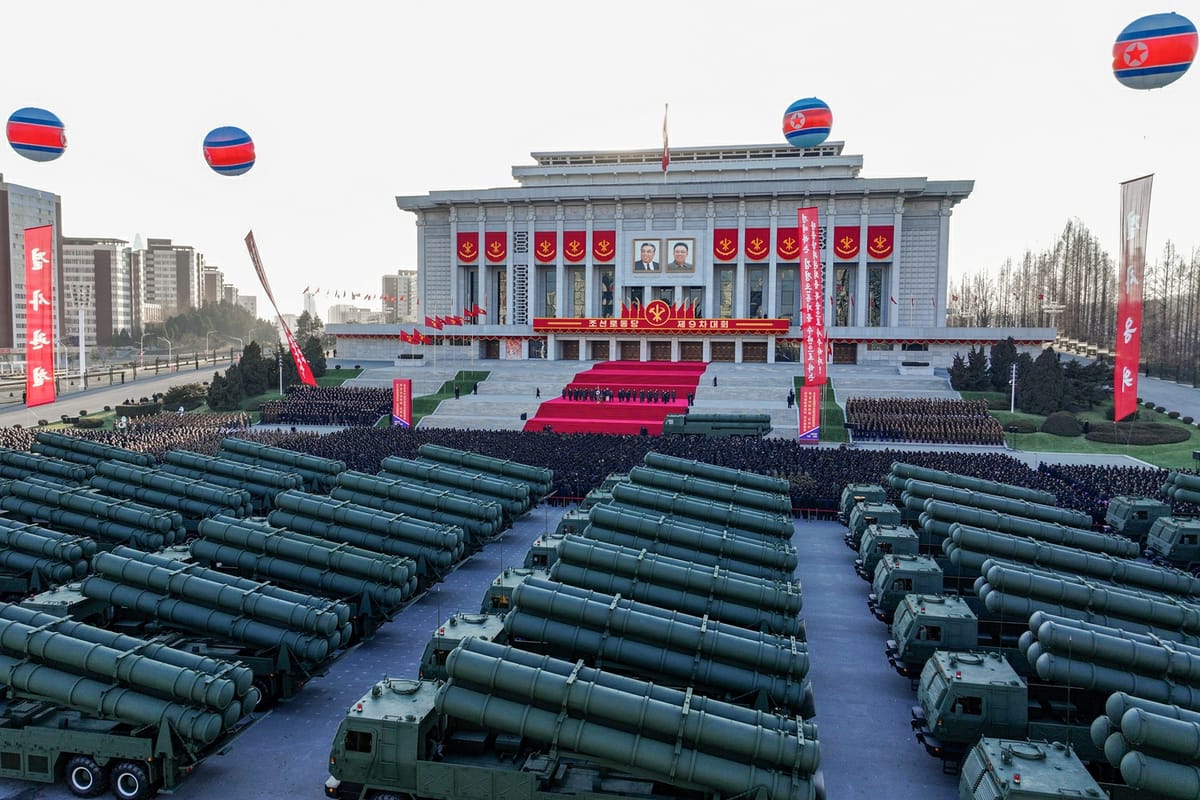
What message does the deployment of 50 new tactical nuclear-capable launchers send to the world? In a highly choreographed ceremony in Pyongyang, North Korea’s leadership formally rolled out what it claims are upgraded 600mm multiple launch rocket system vehicles, signaling a sharpened focus on short-range tactical deterrence.
According to reports from the Korean Central News Agency and state-linked outlets, North Korea 600mm MLRS deployment efforts now include 50 newly fielded transporter erector launchers. The ceremony took place in front of the April 25 House of Culture, a venue closely associated with major political events including the upcoming Party Congress.
The move underscores Pyongyang’s continued investment in battlefield nuclear delivery systems that can potentially target South Korea and U.S. forces stationed on the peninsula.
What is 600mm MLRS?
The 600mm MLRS, unveiled by North Korea, is a large-caliber multiple launch rocket system often described by outside analysts as capable of firing guided rockets with ranges that cover most of South Korea. The United States refers to the system as the KN-25.
Unlike traditional MLRS platforms that rely on unguided saturation fire, the 600mm system reportedly combines high accuracy with rapid multi-rocket launch capability. North Korean state media claims it can carry nuclear warheads, although independent verification remains limited.
Defense experts from institutions such as the Center for Strategic and International Studies have previously assessed that the KN-25 blurs the line between a large guided rocket and a short-range ballistic missile due to its range and flight profile.

Why North Korea's 600mm MLRS Deployment Matters
The 600mm MLRS deployment by North Korea is significant for several reasons.
First, scale. Deploying 50 new TELs at once signals production capacity and institutional priority. According to state media, the vehicles were manufactured at the March 16 Factory in Phyongsong. This suggests a maturing domestic defense industrial base capable of serial production.
Second, strategic messaging. Kim Jong Un described the system as a deterrent that could cause the “collapse” of an adversary’s command infrastructure if used. While such statements are consistent with North Korean rhetoric, they reinforce Pyongyang’s doctrine of tactical nuclear readiness.
Third, regional security implications. With a short to medium range, the system is primarily positioned to threaten South Korea and U.S. military assets in the region. Analysts widely agree that systems like the KN-25 complicate missile defense planning because they can launch multiple projectiles in rapid succession.
A Tactical Nuclear Shift
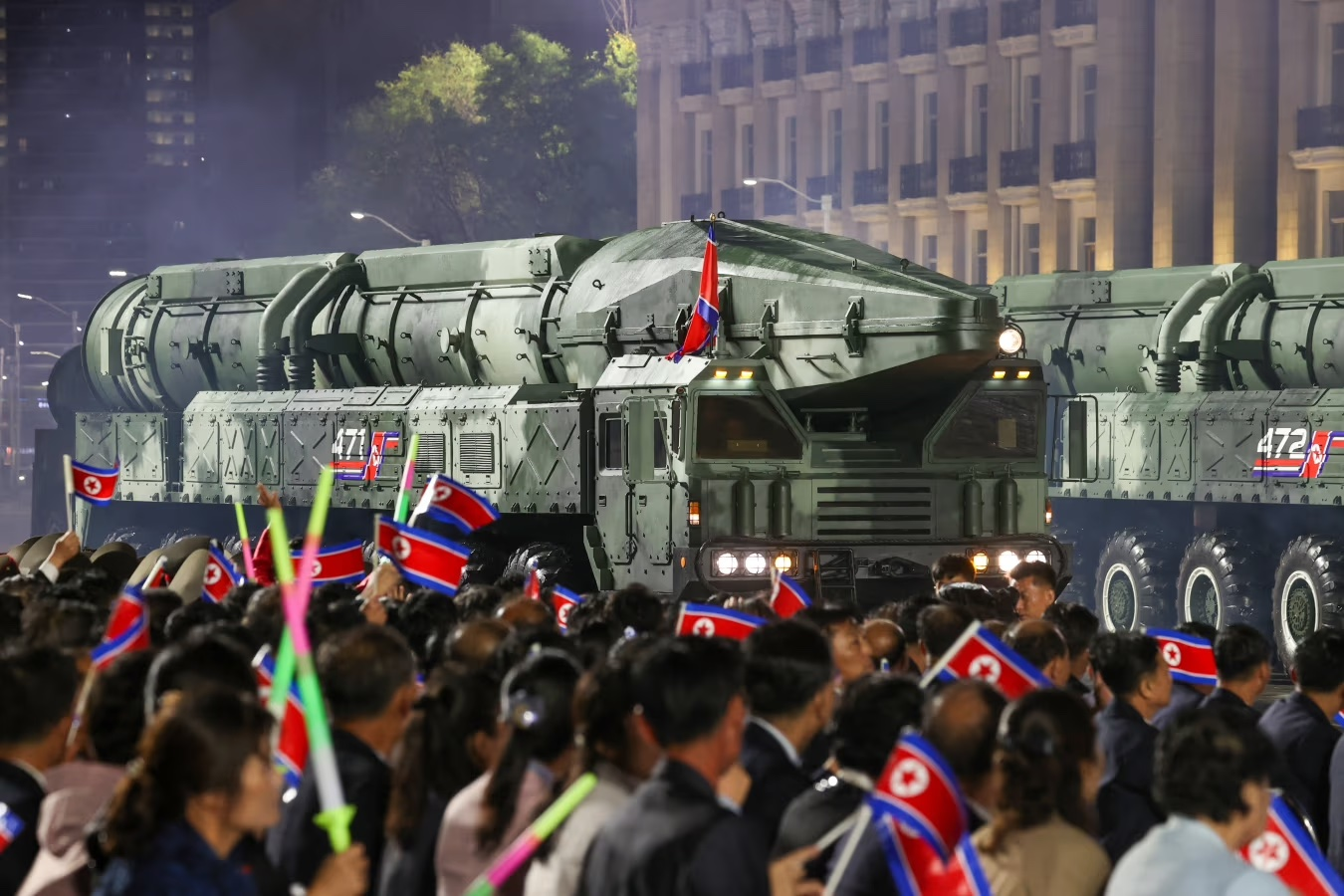
Over the past few years, North Korea has emphasized so-called tactical nuclear weapons rather than only long-range intercontinental ballistic missiles. This reflects a doctrinal shift toward battlefield use scenarios rather than pure strategic deterrence.
The North Korea 600mm MLRS deployment fits squarely within that evolution. In 2022, North Korea reportedly unveiled dozens of similar launchers. The latest ceremony appears to double down on that trajectory.
However, questions remain. Independent experts caution that state claims regarding nuclear integration cannot be fully verified. Satellite imagery and open-source intelligence provide clues about launcher counts and test activity, but warhead configuration details remain opaque.
Capabilities and Limitations
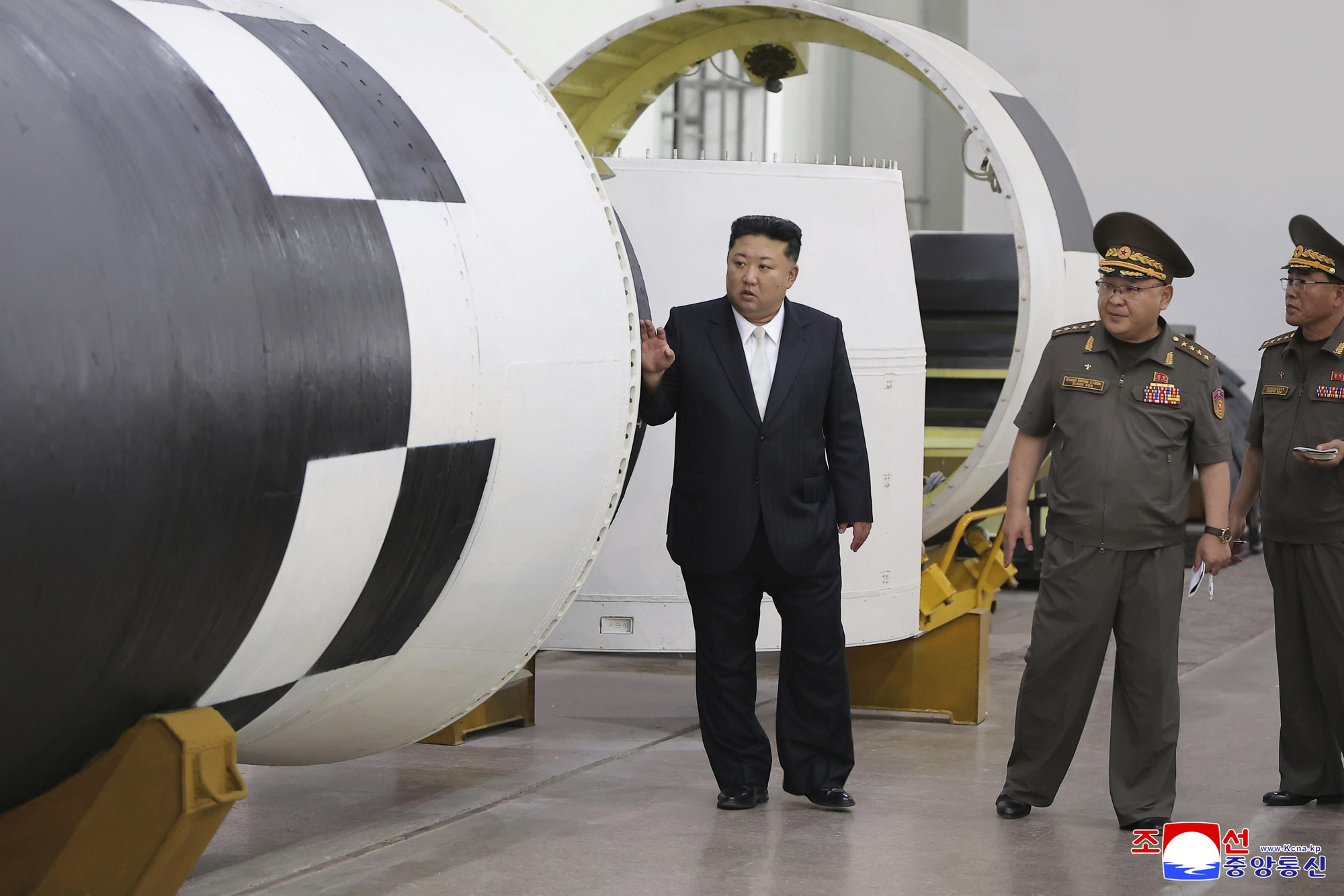
In his remarks at the deployment ceremony, Kim Jong Un framed the North Korea 600mm MLRS as a weapon that sharply elevates Pyongyang’s battlefield deterrence. He described the system as combining precision strike ability with the destructive force typical of tactical ballistic missiles, portraying it as a tool that can quickly overwhelm an adversary’s military infrastructure if used. State media reported that these launchers enhance the military’s ability to respond rapidly to threats and contribute to the “deterrent” against unnamed enemies.
Under North Korean doctrine, the MLRS is not positioned purely as artillery but as a flexible strike asset that can deliver both conventional and, according to official claims, nuclear payloads. This aligns with earlier state assertions that such weapons “perfectly combine” rapid-fire rocket capability with high-impact warheads, a framing intended to signal both technological progress and tactical versatility.
But there are constraints.
Missile defense systems such as Patriot and THAAD are designed to intercept short-range threats, though saturation attacks can strain even advanced systems. Moreover, the survivability of TELs depends on mobility, concealment, and air defense cover.
In short, the North Korea 600mm MLRS deployment strengthens Pyongyang’s tactical options, but it does not eliminate the broader strategic balance shaped by alliances, surveillance, and layered missile defense.
Escalation or Strategic Signaling?
The official framing of the North Korea 600mm MLRS deployment reflects a broader strategic narrative linking new weapons systems to national defense and deterrence. Kim Jong Un’s speech at the ceremony underscored the system’s role in bolstering Pyongyang’s strike posture, projecting confidence in rapid, decisive battlefield impact.
Yet, the technological reality is more nuanced. Independent analysis suggests that while the launchers signify production capacity and doctrinal prioritization, many questions remain about their operational performance and integration into North Korea’s wider military strategy.
For regional observers, the deployment serves both as an internal propaganda moment and an external signal of capability expansion. Monitoring follow-on tests, unit training cycles, and technical performance indicators will be essential to assess if North Korea’s official claims translate into battlefield utility.
Fast Facts: North Korea 600mm MLRS Deployment Explained
1. What exactly did North Korea deploy at the ceremony in Pyongyang?
North Korea formally deployed 50 new transporter erector launchers for its 600mm multiple launch rocket system, known externally as the KN-25. The launchers were lined up in front of the April 25 House of Culture ahead of the Party Congress. State media said the vehicles were produced at the March 16 Factory in Pyongsong and feature a five-tube configuration used in a recent test launch.
2. Why is the 600mm MLRS different from traditional rocket artillery?
The 600mm MLRS is not conventional unguided artillery. Analysts classify it as a guided, large-caliber system that blurs the line between multiple launch rockets and short-range ballistic missiles. It reportedly combines rapid salvo capability with improved precision and a range sufficient to cover most of South Korea, making it strategically more significant than older artillery platforms.
3. What strategic message is Pyongyang sending with this deployment?
By publicly fielding 50 new launchers, North Korea is signaling operational readiness and mass-production capability in its tactical nuclear program. The system is designed primarily for regional deterrence against South Korea and U.S. forces. The scale of the rollout suggests institutional prioritization of battlefield nuclear systems rather than solely long-range intercontinental missiles.
