Nvidia Pulling Back From OpenAI and Anthropic Raises New Questions in the AI Industry
Nvidia CEO Jensen Huang said Wednesday that his company's investments in OpenAI and Anthropic will likely be its last
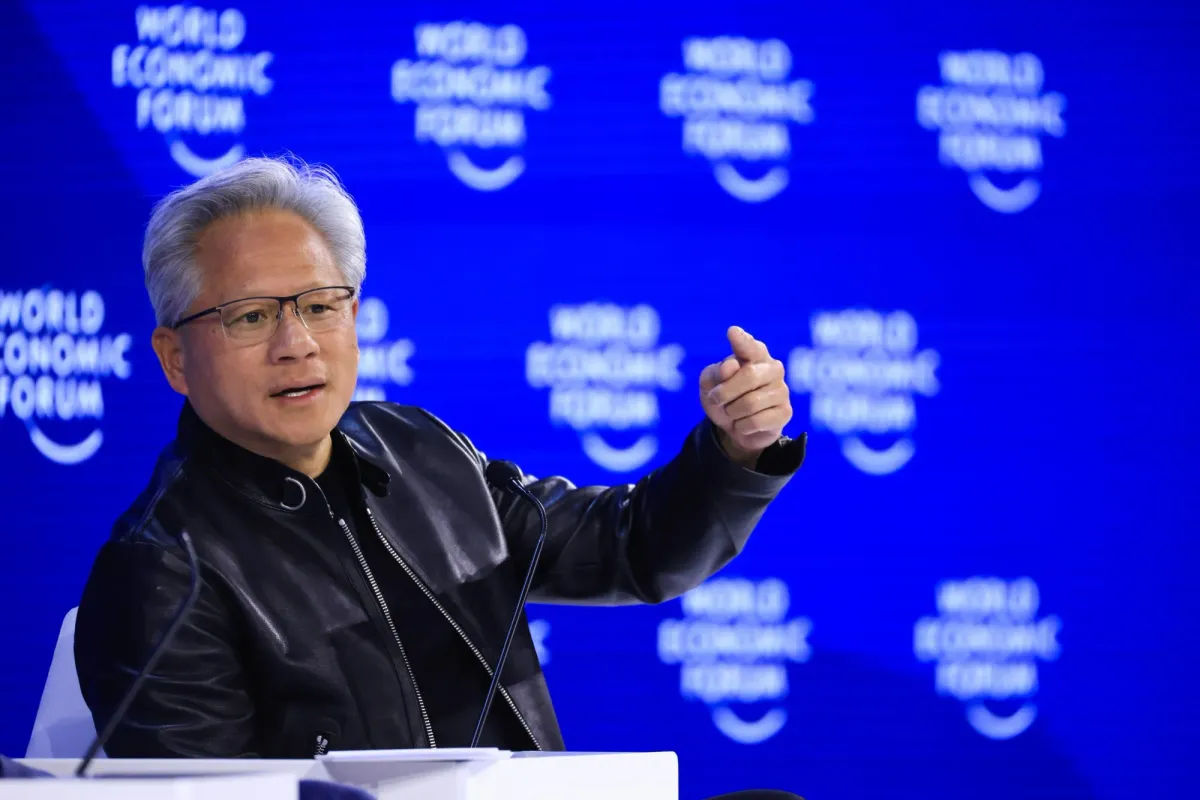
The AI boom has been fueled by a handful of companies. One of the biggest is Nvidia, the chipmaker whose GPUs power many of the world’s most advanced AI models. But a recent comment from CEO Jensen Huang has sparked fresh debate across the industry.
Huang confirmed that Nvidia is pulling back from OpenAI and Anthropic, two of the most influential AI labs building frontier models, on Wednesday. His explanation suggested a strategic shift rather than a falling out. Still, analysts say the move raises important questions about how Nvidia plans to shape the next phase of the AI race.
Why Nvidia Is Pulling Back From OpenAI and Anthropic
During recent remarks at the Morgan Stanley Technology, Media and Telecom conference, Nvidia's pulling back from OpenAI and Anthropic reflects a broader strategy to support the entire AI ecosystem rather than maintain close ties with specific labs.
OpenAI and Anthropic are major developers of large language models. Their systems require enormous computing power, much of it supplied by Nvidia GPUs. However, Nvidia’s business model increasingly focuses on enabling thousands of AI developers instead of aligning too closely with a few.
Huang suggested that Nvidia prefers to act as the infrastructure layer of AI rather than favoring particular companies.
This position aligns with Nvidia’s rapid expansion into cloud services, AI software platforms, and partnerships with enterprises worldwide.
Nvidia’s Unique Position in the AI Supply Chain
Nvidia occupies a rare role in the AI economy. While companies like OpenAI, Google, and Anthropic compete to build the best models, Nvidia supplies the chips that make those models possible.
According to industry estimates cited by research firms such as IDC and Gartner, Nvidia controls more than 70 percent of the global AI accelerator market. Demand for its H100 and next generation GPUs surged after the launch of generative AI systems like ChatGPT.
By stepping back from direct association with specific AI labs, Nvidia reinforces its image as a neutral technology provider.
That neutrality could be critical as competition intensifies between model developers.
Strategic Timing Amid Fierce AI Competition
The timing of the pull back coincides with potential conflicts of interest, geopolitical tensions, and a shift toward long-term infrastructure, specifically massive $4B+ bets on optical networking, rather than just investing in AI.
The Pentagon’s crackdown on AI firms with strict safety guardrails has created risk for Anthropic, a major NVIDIA partner. This forces NVIDIA to reconsider its exposure to AI firms struggling with government compliance.
Major tech companies including Microsoft, Amazon, and Google are investing billions into AI infrastructure.
If Nvidia appeared too closely tied to specific labs, it could complicate partnerships with other players building competing models.
A more neutral stance helps Nvidia remain the preferred hardware supplier for the entire industry.
Questions the Move Still Leaves Unanswered
While Huang framed the shift as strategic neutrality, some observers remain skeptical.
OpenAI and Anthropic are among Nvidia’s largest customers. Their training clusters rely heavily on Nvidia GPUs. Pulling back from deeper collaboration could signal changes in long term partnerships or influence how future AI infrastructure deals are structured.
Others argue the move reflects Nvidia’s confidence. When a company dominates the hardware layer of AI, it no longer needs to align itself with any single model developer.
Still, the lack of detailed explanation means speculation will continue.
What This Means for the Future of AI
NVIDIA's pullback highlights an important shift in the AI industry. Infrastructure providers are becoming just as powerful as model developers.
For businesses and developers, the takeaway is clear. The AI stack is expanding. Chips, cloud platforms, and software frameworks are now just as strategic as the models themselves.
Nvidia appears determined to sit at the center of that ecosystem.
And in the AI gold rush, selling the picks and shovels may remain the most profitable strategy.
Fast Facts: Nvidia Pulling Back From OpenAI and Anthropic Explained
Why is Nvidia pulling back from OpenAI and Anthropic?
Nvidia is scaling back investments in OpenAI and Anthropic as these firms approach expected IPOs, with CEO Jensen Huang indicating that further private funding rounds are no longer necessary. The pullback also reflects a strategy to remain neutral in the AI ecosystem.
Does Nvidia pulling back from OpenAI and Anthropic affect AI development?
Not significantly. Nvidia pulling back from OpenAI and Anthropic does not reduce hardware supply. Both companies still rely heavily on Nvidia GPUs for training and running large AI models.
What risk comes from Nvidia pulling back from OpenAI and Anthropic?
One concern is reduced collaboration between hardware and model developers. Nvidia pulling back from OpenAI and Anthropic could limit deeper technical partnerships that sometimes accelerate breakthroughs in AI research.