Ola Expanding Its Electric Mobility Ecosystem with New Battery Tech Initiatives
Ola is pushing deeper into electric mobility with new battery tech initiatives, aiming to cut costs, boost range, and build a fully integrated EV ecosystem in India.
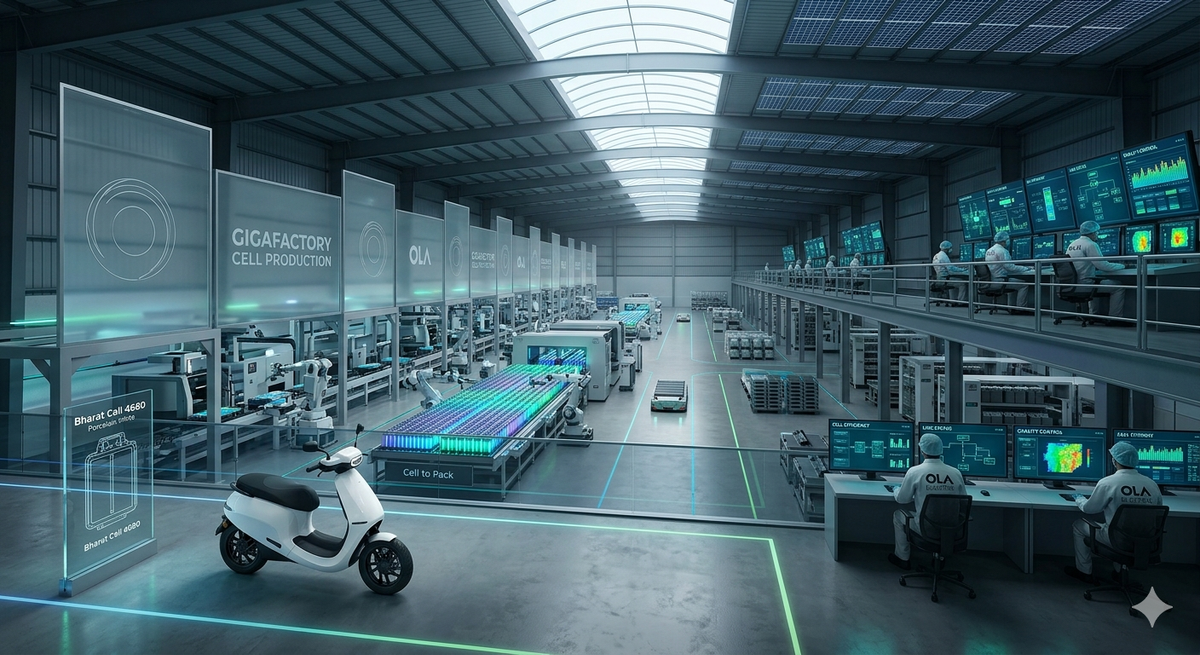
What if the real electric vehicle race is not about vehicles at all, but batteries? That is the direction Ola is betting on. As Ola expands its electric mobility ecosystem with new battery tech initiatives, the company is moving beyond scooters and stepping into the core technology that powers the entire EV industry.
A Strategic Shift Toward Battery Control
Batteries account for nearly 30 to 40 percent of an electric vehicle’s cost, according to industry estimates. By focusing on battery innovation, Ola aims to reduce dependency on global suppliers and bring down overall costs for consumers. This is critical in a market like India, where affordability remains a major barrier to EV adoption.
Ola’s Gigafactory plans in Tamil Nadu are central to this shift. The company is investing in large-scale lithium-ion cell manufacturing, aligning with India’s push for localized production and energy independence.
Ola Expanding Its Electric Mobility Ecosystem with New Battery Tech Initiatives
With Ola expanding its electric mobility ecosystem with new battery tech initiatives, the company is exploring advanced battery chemistries, including improvements in lithium-ion technology and early-stage work on solid-state batteries. These technologies promise higher energy density and faster charging, though widespread deployment is still years away.
Even incremental improvements can have a significant impact. Better battery efficiency can lead to longer range, faster charging times, and reduced cost per kilometer. For consumers, this translates into more practical and affordable electric mobility.
Real-World Impact on EV Adoption
India’s electric vehicle market is growing steadily. Government data shows EV sales crossed 1.5 million units in 2023, with two-wheelers leading the segment. Ola’s focus on batteries could accelerate this trend by addressing key concerns such as range anxiety and charging convenience.
If successful, Ola’s approach could also create a ripple effect across the industry, pushing competitors to invest more aggressively in battery innovation and local manufacturing.
Challenges That Could Slow Progress
Battery manufacturing is complex and capital intensive. Scaling production while maintaining safety and performance standards is a significant challenge. The industry has already seen incidents related to battery overheating, which makes reliability a top priority.
There is also strong global competition. Companies in China and the United States are ahead in battery research and production. Ola will need consistent execution and technological breakthroughs to stay competitive.
Conclusion
Ola is positioning itself as more than just an electric vehicle manufacturer. By investing in battery technology, it is targeting the most critical component of the EV ecosystem. The strategy carries risks, but it also has the potential to reshape how electric mobility evolves in India. If execution aligns with ambition, the impact could extend far beyond scooters.
Fast Facts: Ola Expanding Its Electric Mobility Ecosystem with New Battery Tech Initiatives Explained
What does Ola’s battery push actually involve?
Ola expanding its electric mobility ecosystem with new battery tech initiatives involves building battery manufacturing capabilities and investing in new technologies to lower costs and improve EV performance.
How will this affect everyday EV users?
With Ola expanding its electric mobility ecosystem with new battery tech initiatives, users may see longer range, faster charging, and more affordable electric vehicles in the near future.
What are the risks in Ola’s strategy?
Ola expanding its electric mobility ecosystem with new battery tech initiatives faces challenges like high production costs, technical complexity, and safety concerns in battery development.