Open AI Acquires TBPN: A Strategic Bet on the Future of AI Infrastructure
What happens when one of the world’s most influential AI companies decides it needs more than just models to stay ahead? You get a move like this. The news that Open AI acquires TBPN signals something bigger than a routine acquisition
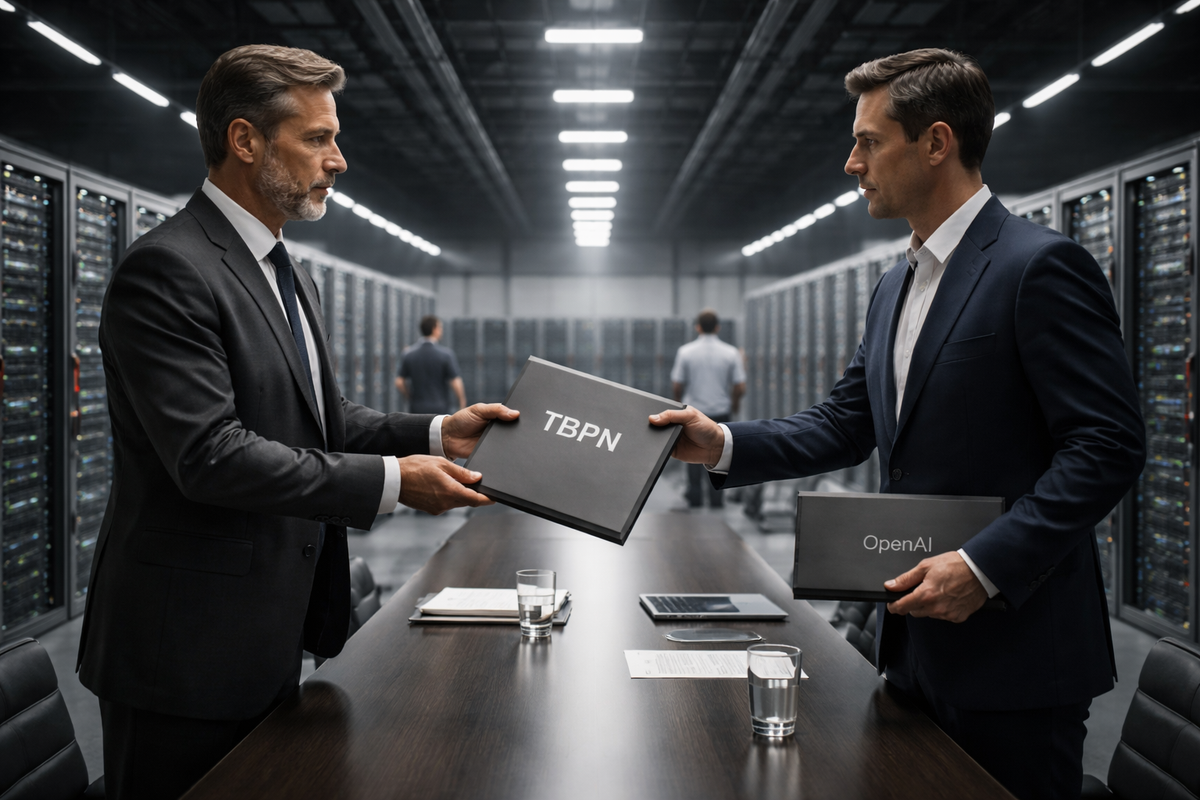
What happens when one of the most powerful AI companies decides it needs deeper control over its own backbone? The move where Open AI acquires TBPN signals a shift in strategy. This is not just about building smarter models. It is about owning the systems that make those models usable at scale.
Why Open AI Acquires TBPN Matters
When Open AI acquires TBPN, it points to a clear priority. Infrastructure is becoming as important as the models themselves. TBPN is believed to operate in backend systems and optimization, areas critical for running large AI systems efficiently.
OpenAI already leads in model development. The challenge now is scaling those models reliably while controlling costs. Bringing infrastructure capabilities in-house reduces dependency on external providers and gives tighter operational control.
Open AI Acquires TBPN and the Shift to Full-Stack AI
The decision where Open AI acquires TBPN reflects a broader trend. AI companies are moving toward owning the full stack. This includes data, models, deployment, and infrastructure.
By integrating TBPN, OpenAI can optimize how its models are deployed across enterprise and consumer products. This can lead to faster response times, better system stability, and improved cost efficiency. Reports from industry research highlight infrastructure costs as a major bottleneck in AI scaling, making this move strategically important.
Impact on Businesses and Developers
For businesses, the outcome of Open AI acquires TBPN could mean more reliable AI services and improved performance across applications. Enterprises relying on OpenAI APIs may benefit from faster processing and more consistent uptime.
Developers could see deeper integration tools and more streamlined deployment options. However, increased control by a single provider may limit flexibility and reduce the number of alternative infrastructure choices over time.
Risks and Industry Concerns
While the move where Open AI acquires TBPN strengthens technical capabilities, it also raises concerns. Centralization of AI infrastructure can limit competition and reduce transparency.
As AI systems become essential across industries, control over infrastructure becomes a point of power. Regulators are already examining how large AI companies expand their influence. This acquisition may add to those concerns, especially if it creates barriers for smaller players.
What Comes Next
The step where Open AI acquires TBPN shows that the AI race is evolving. Success is no longer defined only by model performance. It depends on how efficiently those models can be delivered and scaled.
With stronger infrastructure control, OpenAI is positioned to accelerate deployment, expand enterprise adoption, and refine its cost structure. The companies that dominate AI will not just build advanced systems. They will control the entire ecosystem that supports them.
Conclusion
The move where Open AI acquires TBPN highlights a strategic shift toward infrastructure ownership. It strengthens OpenAI’s ability to scale, optimize, and compete in a rapidly evolving market. The long-term impact will depend on how this control is used and how the industry responds.
Fast Facts: Open AI Acquires TBPN Explained
What does Open AI acquires TBPN mean?
When Open AI acquires TBPN, it means OpenAI is strengthening its infrastructure capabilities to improve how its AI systems operate and scale across different platforms.
How does Open AI acquires TBPN affect users?
This move can lead to faster performance, improved reliability, and more efficient AI services for businesses and developers.
Are there risks that come with Open AI acquiring TBPN?
Yes. Open AI acquiring TBPN, increases control over infrastructure, which may reduce competition and raise concerns about centralization in the AI industry.