OpenAI Facing Criticism From Publishers Over Content Scraping Practices
Publishers are pushing back as OpenAI faces growing scrutiny over how it sources training data, raising urgent questions about copyright, consent, and the future of AI content ecosystems.
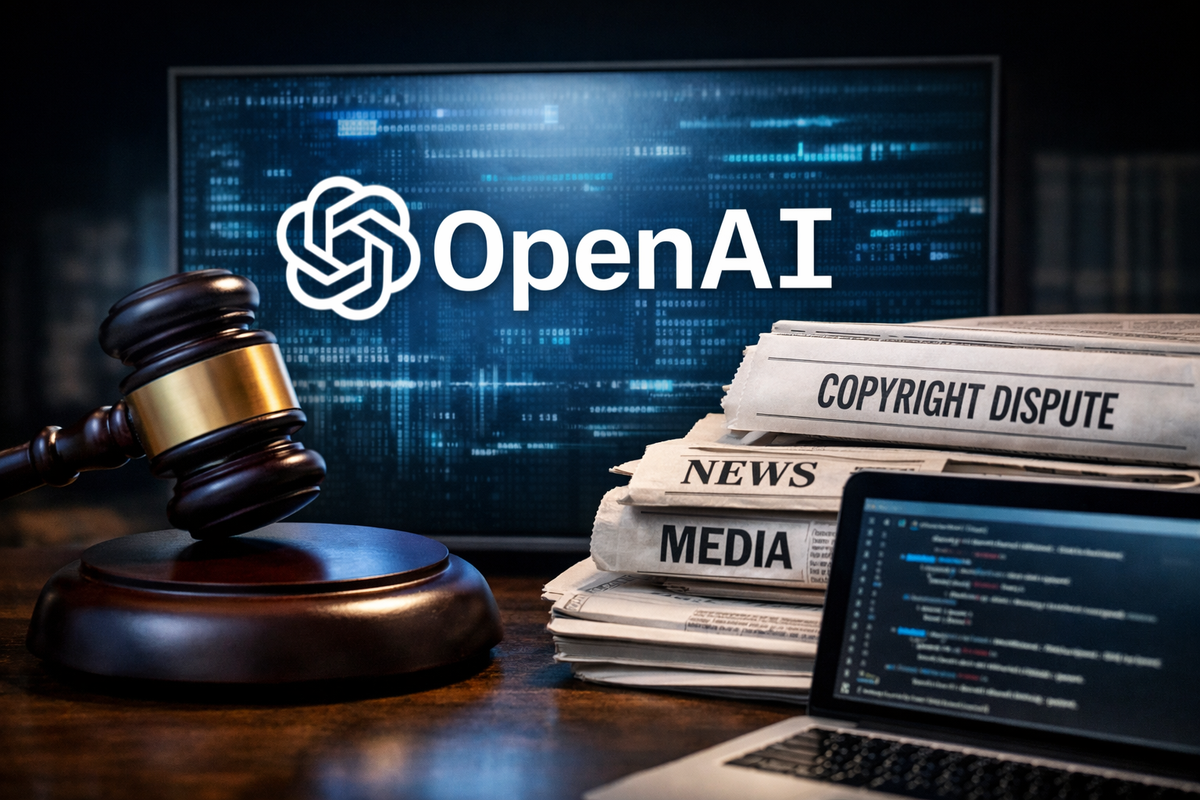
What happens when the world’s most powerful AI systems are trained on content their creators never agreed to share? The growing backlash against OpenAI facing criticism from publishers over content scraping practices is forcing the tech industry to confront that question head-on.
Major publishers, including global news organizations, are raising concerns that OpenAI has used their articles, archives, and digital content without explicit permission to train models like ChatGPT. The issue has quickly escalated from a technical debate into a legal and ethical flashpoint.
Why OpenAI Facing Criticism From Publishers Over Content Scraping Practices Matters
Large language models rely on vast datasets collected from across the internet. This often includes copyrighted material such as news articles, blogs, and research papers. Publishers argue that this data collection happens without consent or compensation.
Organizations like The New York Times have taken a firm stance, with some pursuing legal action. Their concern is that AI-generated summaries and responses could reduce traffic to original sources, cutting into advertising and subscription revenue.
OpenAI maintains that its models do not store or reproduce content directly but instead learn patterns and language structures. The company has pointed to fair use principles and the transformative nature of AI training as part of its defense.
The Business Impact on Media and AI Companies
This conflict is reshaping the economics of digital content. Publishers invest heavily in journalism, and unrestricted scraping threatens to weaken their business models. At the same time, AI companies depend on diverse, high-quality data to improve accuracy and relevance.
Some media companies are responding by blocking AI crawlers or tightening paywalls. Others are exploring licensing deals, allowing AI firms to access content legally in exchange for compensation. These partnerships could become a new revenue stream if structured correctly.
The result is a shifting landscape where content is no longer just produced for readers but also for machines.
Ethical Concerns and the Future of AI Training
Beyond legal arguments, the issue raises deeper ethical questions. Should creators have the right to opt in or out of AI training datasets? Should they be compensated when their work contributes to AI outputs?
Experts cited by MIT Technology Review emphasize the need for transparency in how training data is sourced. Without clear standards, trust in AI systems could erode.
There is also the risk of bias. If training data is uneven or dominated by certain sources, AI outputs may reflect those imbalances, reinforcing misinformation or limiting diversity in perspectives.
What Comes Next for OpenAI and Publishers
Regulation is likely to play a central role. Governments are beginning to examine how copyright laws apply to AI training, with potential frameworks emerging in multiple regions.
OpenAI has already started forming partnerships with select publishers, signaling a move toward collaboration. However, industry-wide agreements are still far from settled.
The outcome will determine how future AI systems are built and who benefits from them. For users, it is a reminder that the intelligence behind AI tools is deeply connected to human-created content.
Conclusion
The debate around OpenAI facing criticism from publishers over content scraping practices highlights a critical moment for the AI industry. It is a test of whether innovation can coexist with fairness and accountability.
If balanced solutions emerge, they could support both technological progress and sustainable journalism. If not, the conflict risks undermining trust in both AI systems and the digital content ecosystem that supports them.
Fast Facts: OpenAI Facing Criticism From Publishers Over Content Scraping Practices Explained
What is the controversy about?
OpenAI facing criticism from publishers over content scraping practices involves claims that AI models are trained on copyrighted material without permission, raising legal and ethical concerns.
Why does it matter?
OpenAI facing criticism from publishers over content scraping practices affects publisher revenue, copyright enforcement, and how AI companies access and use online content.
What could happen next?
OpenAI facing criticism from publishers over content scraping practices may lead to stricter regulations, licensing agreements, and clearer standards for ethical AI data usage.