OpenAI Facing Fresh Copyright Concerns as Publishers Push Back Against AI Training Practices
As generative AI scales, a growing number of publishers are asking a simple question: who owns the data that powers these systems, and who gets paid for it?
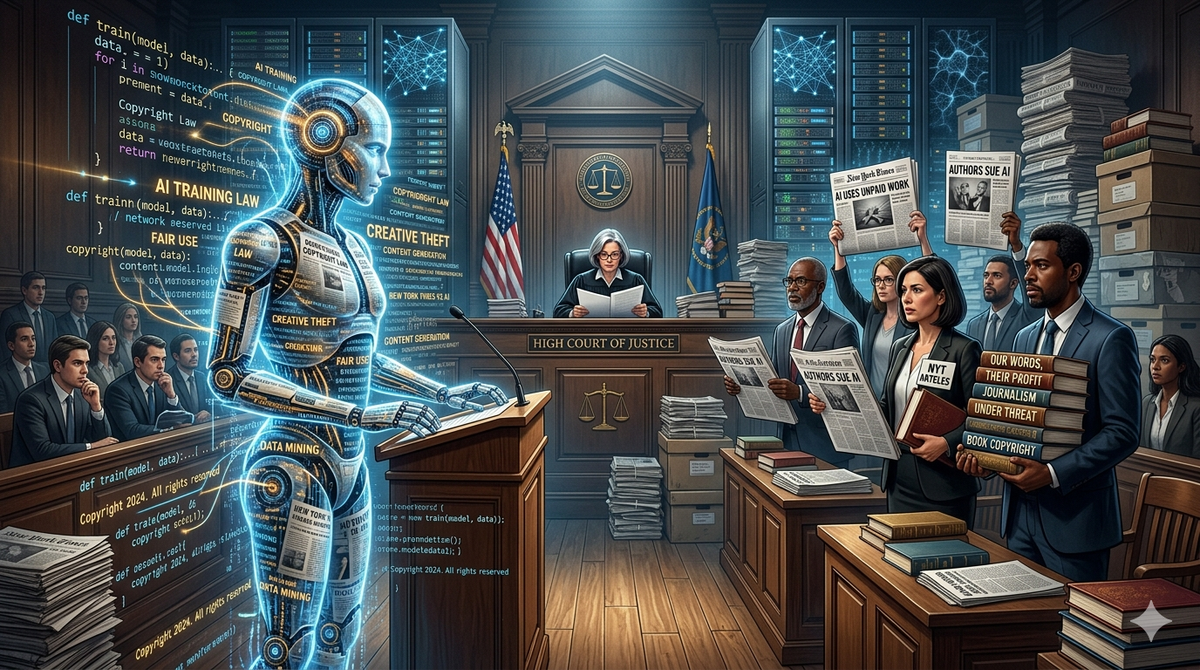
What happens when machines learn from human creativity without asking permission? The question is no longer philosophical. It is now a legal and economic flashpoint as OpenAI faces fresh copyright concerns as publishers push back against AI training practices.
As generative AI systems expand, the methods used to train them are coming under intense scrutiny. Publishers, authors, and media organizations are increasingly challenging how their content is being used, raising concerns about ownership, compensation, and long-term sustainability.
Why Publishers Are Pushing Back
Publishers argue that their copyrighted material is being used without consent to train large language models. Reports from Reuters and MIT Technology Review highlight lawsuits filed by major media organizations, signaling a broader resistance to data scraping practices.
The concern is straightforward. If AI systems can summarize, replicate, or compete with original content without paying for it, traditional publishing models face disruption. For many organizations, this is not just about intellectual property. It is about survival.
Legal Uncertainty Around AI Training
The debate around OpenAI facing fresh copyright concerns as publishers push back against AI training practices centers on how existing copyright laws apply to AI.
AI companies often argue that training on publicly available data qualifies as fair use, especially when outputs are transformed rather than copied. Critics reject this view, claiming that large-scale data ingestion without permission violates fundamental copyright protections.
Courts in the United States and Europe are now evaluating these arguments. Their decisions could redefine how intellectual property laws apply in the age of artificial intelligence.
Industry Response and Emerging Deals
In response to mounting pressure, OpenAI has begun exploring licensing agreements with publishers. Similar efforts are underway across the industry, as companies seek to balance innovation with legal compliance.
These agreements could create new revenue streams for publishers while giving AI firms clearer access to high-quality data. However, negotiations remain complex, involving questions of pricing, attribution, and usage rights.
What This Means for AI’s Future
The outcome of OpenAI facing fresh copyright concerns as publishers push back against AI training practices will shape the trajectory of the entire AI ecosystem.
If courts favor publishers, AI companies may need to rely more on licensed or synthetic datasets. This could slow development but improve ethical standards. If rulings favor AI firms, innovation may accelerate, but tensions with content creators will likely deepen.
For users, the shift may lead to more transparent AI systems, clearer attribution, and possibly new subscription-based models tied to licensed content.
Conclusion
The conflict between AI developers and publishers is forcing a global reckoning on data ownership and digital value. As legal battles unfold and negotiations evolve, the rules governing AI training are being rewritten in real time. The decisions made now will define how knowledge is created, shared, and monetized in the years ahead.
Fast Facts: OpenAI Facing Fresh Copyright Concerns as Publishers Push Back Against AI Training Practices Explained
What is the core issue?
The core issue in OpenAI facing fresh copyright concerns as publishers push back against AI training practices is whether AI companies can legally use copyrighted content without permission to train models.
Why are publishers concerned?
Publishers worry OpenAI facing fresh copyright concerns as publishers push back against AI training practices will reduce revenue and weaken control over their intellectual property.
What could happen next?
OpenAI facing fresh copyright concerns as publishers push back against AI training practices may lead to stricter regulations, licensing deals, or new legal standards for AI training data.