Paytm restructuring parts of its business amid regulatory pressure in India
Paytm is overhauling key operations after regulatory scrutiny in India. The move signals a shift toward compliance, leaner operations, and long-term survival in a tightening fintech landscape.
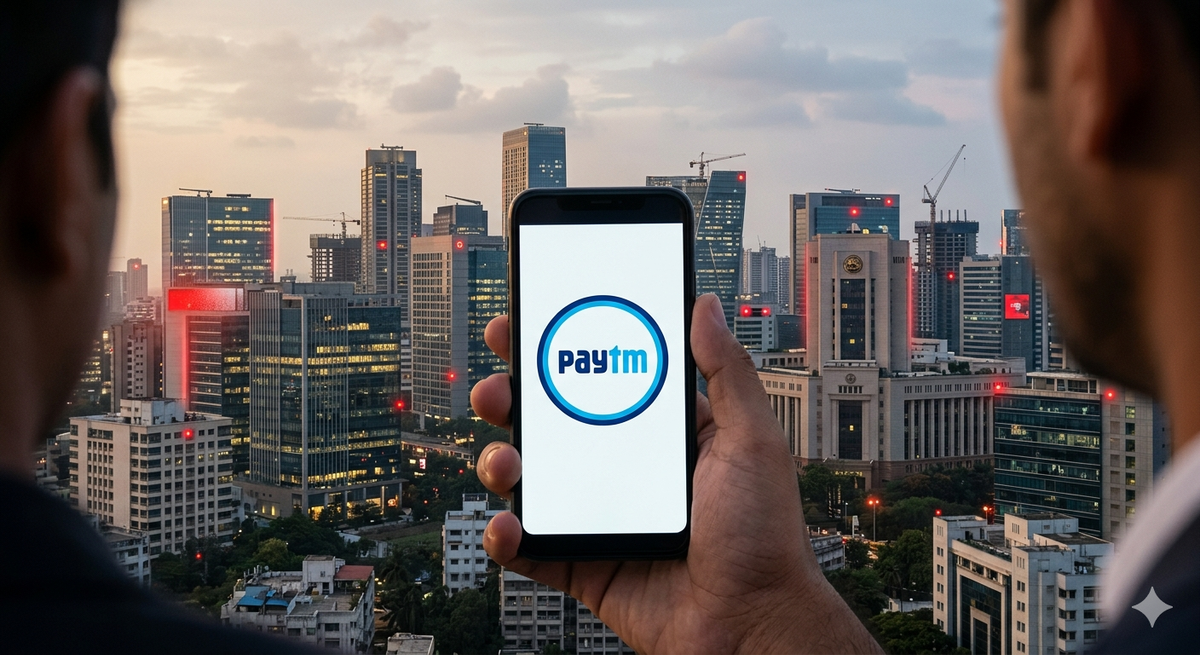
What happens when a fintech giant hits a regulatory wall? Paytm is living that reality. After facing strict action from the Reserve Bank of India in early 2024, the company is now restructuring key parts of its business to stay compliant and protect its future.
Once seen as the face of India’s digital payments revolution, Paytm is now under pressure to rebuild trust, fix governance issues, and adapt to a stricter regulatory environment. The changes are not cosmetic. They are structural and critical.
Why Paytm restructuring parts of its business amid regulatory pressure in India is happening
The Reserve Bank of India imposed restrictions on Paytm Payments Bank due to compliance lapses and supervisory concerns. These included limitations on deposits, onboarding new customers, and operational controls. The regulator’s goal was clear: protect consumers and ensure financial system stability.
This forced Paytm to rethink how its ecosystem is structured. The company can no longer rely heavily on its payments bank and must separate key operations to avoid further regulatory risk.
Key changes in Paytm’s business model
Paytm is taking multiple steps to stabilize its operations:
- Shifting payment processing to partner banks to maintain service continuity
- Separating its core app from Paytm Payments Bank operations
- Reducing costs and focusing on profitability
- Strengthening compliance systems and governance frameworks
These changes are aimed at making the business leaner and more aligned with regulatory expectations.
Impact on users and merchants
For users, the transition has been mostly smooth. Wallets, UPI, and merchant payments continue to function, although some services saw temporary disruptions during the shift.
Merchants are being moved to alternative banking partners for settlements. While Paytm has tried to minimize friction, confidence has taken a hit. Rebuilding that trust will be a long process.
Investors have reacted with caution. Paytm’s stock experienced volatility following the regulatory action, reflecting uncertainty around its future growth and operational stability.
What this means for India’s fintech sector
Paytm restructuring parts of its business amid regulatory pressure in India is a signal to the entire fintech ecosystem. Regulators are tightening oversight, and compliance is becoming central to business strategy.
Startups can no longer prioritize growth at any cost. Strong governance, data security, and regulatory alignment are now essential for survival.
This shift could slow innovation in the short term but may strengthen trust and sustainability in the long run.
Conclusion
Paytm is entering a defining phase. Its ability to navigate regulatory pressure while maintaining user trust will determine its future.
If the restructuring succeeds, Paytm could emerge stronger and more resilient. If not, it risks losing relevance in an increasingly competitive and regulated market.
Fast Facts: Paytm restructuring parts of its business amid regulatory pressure in India Explained
What is happening with Paytm right now?
Paytm restructuring parts of its business amid regulatory pressure in India refers to changes after RBI restrictions, pushing the company to shift operations to partner banks and improve compliance.
How does this affect users and merchants?
Paytm restructuring parts of its business amid regulatory pressure in India means users see minimal disruption, while merchants get alternative settlement systems to keep payments running.
What are the risks and limitations?
Paytm restructuring parts of its business amid regulatory pressure in India highlights risks like trust issues, regulatory scrutiny, and slower growth if compliance efforts fail.