Pope Leo XIV Tells Priests Not to Use AI to Write Homilies or Seek Likes on TikTok
The Pope’s warning signals a growing tension between technological efficiency and spiritual authenticity.
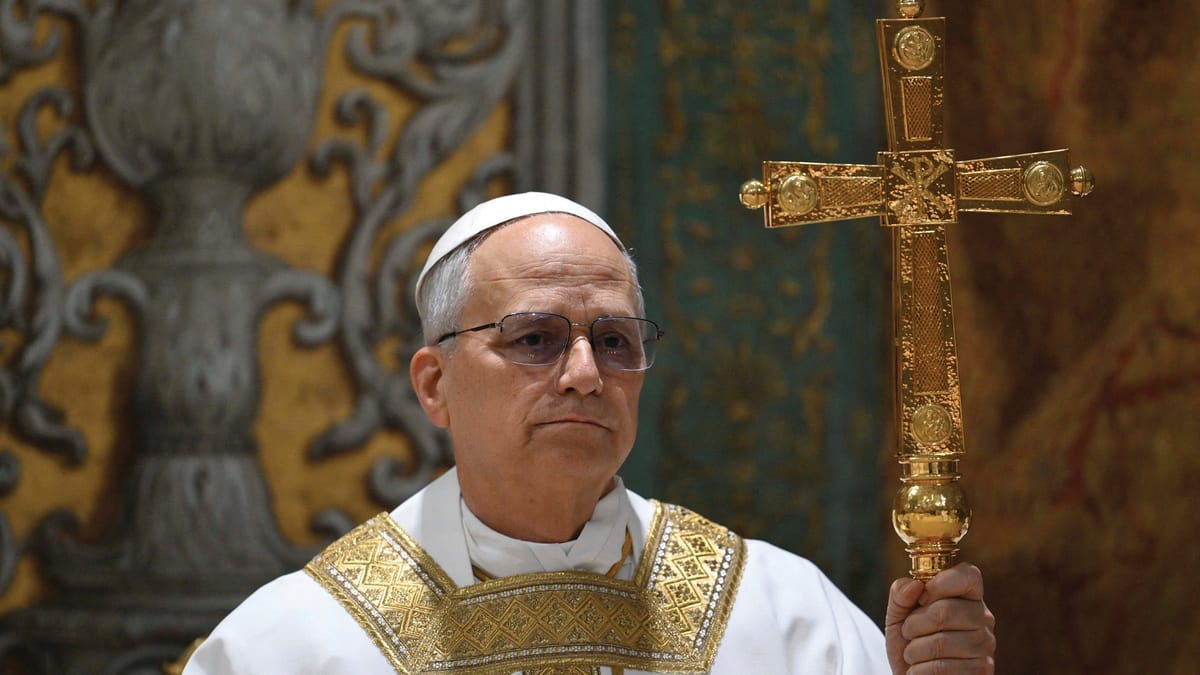
Can artificial intelligence write a sermon that moves the soul? According to Pope Leo XIV, the answer is no.
In a pointed message to clergy, Pope Leo XIV tells priests not to use AI to write homilies or chase social media validation, warning that faith cannot be outsourced to algorithms. The remarks, come at a time when generative AI tools like ChatGPT are increasingly used in creative and professional settings worldwide.
Why Pope Leo XIV Opposes AI-Written Homilies
The central concern is not technology itself, but authenticity.
When Pope Leo XIV tells priests not to use AI to write homilies, he is emphasizing that preaching is a deeply personal act rooted in prayer, lived experience, and pastoral care. A homily is not merely structured text. It is spiritual guidance tailored to a community’s struggles and hopes.
Generative AI systems are trained on large datasets to predict patterns in language. According to research from institutions such as MIT and Stanford, these systems can produce fluent and persuasive text. However, they do not possess lived faith, conscience, or moral responsibility.
For the Vatican, that distinction matters.
A sermon shaped by algorithms risks becoming generic, even if it sounds polished. Faith traditions have long emphasized the human role in interpretation and teaching. Delegating that responsibility to software raises theological and ethical concerns.
Faith, Social Media, and the TikTok Question
The Pope’s message also addressed priests seeking popularity online.
When Pope Leo XIV tells priests not to use AI to write homilies or seek likes on TikTok, he is drawing attention to a broader cultural shift. Platforms such as TikTok reward brevity, virality, and engagement metrics. Spiritual leadership, by contrast, often requires patience, reflection, and humility.
Religious leaders across denominations have increasingly adopted social media to reach younger audiences. The Vatican itself maintains digital communication channels. The issue, then, is not presence but intention.
Chasing likes risks turning ministry into performance.
Experts in digital ethics have warned that algorithm-driven platforms can subtly shape content toward what performs well rather than what is true or meaningful. In a spiritual context, that distortion can undermine the integrity of religious teaching.
The Broader AI Ethics Debate
The Pope’s caution aligns with wider global conversations about artificial intelligence governance.
Organizations like OpenAI and Google have publicly acknowledged the need for responsible AI use. The European Union’s AI Act, passed in 2024, also emphasizes transparency and accountability in high-impact AI systems.
While sermon writing may seem low-risk compared to autonomous weapons or medical diagnostics, the principle is similar. Who holds responsibility for the message?
When Pope Leo XIV tells priests not to use AI to write homilies, he is effectively arguing that spiritual authority cannot be delegated to predictive models.
What This Means for Religious Leaders
This guidance does not ban technology. Priests can still use digital tools for research, administration, and outreach.
The message is about discernment.
Religious leaders must decide where efficiency helps and where it erodes authenticity. AI can summarize scripture or suggest themes, but the final message must emerge from human reflection and conviction.
In an era where automation touches nearly every profession, the Vatican’s stance is a reminder that not all roles can or should be optimized.
Conclusion
As artificial intelligence becomes embedded in daily life, institutions are defining boundaries. Pope Leo XIV tells priests not to use AI to write homilies or pursue TikTok fame because faith, in his view, demands personal responsibility and spiritual depth.
The debate is not about rejecting innovation. It is about preserving meaning in a world increasingly shaped by machines.
For readers watching the intersection of AI and society, this moment highlights a key question: just because technology can do something, should it?
Fast Facts: Pope Leo XIV AI Homilies Explained
What did Pope Leo XIV say about AI in sermons?
Pope Leo XIV tells priests not to use AI to write homilies, stressing that preaching must come from personal faith and lived experience, not algorithms.
Why is AI-written preaching controversial?
When Pope Leo XIV tells priests not to use AI to write homilies, he highlights concerns about authenticity, responsibility, and the risk of generic, impersonal spiritual guidance.
Does this mean the Church rejects AI completely?
No. Pope Leo XIV tells priests not to use AI to write homilies, but technology for research or communication remains acceptable when used responsibly.