Proton Mail Helped FBI Unmask Anonymous ‘Stop Cop City’ Protester
A privacy-first email service built to protect anonymity just helped investigators trace the real identity behind a controversial protest movement.
When “Anonymous” Isn’t Actually Anonymous
Privacy tools promise anonymity online. But what happens when law enforcement follows the money?
Recent court records reveal that Proton Mail helped FBI unmask anonymous Stop Cop City protester by providing payment information linked to an email account used in activist communications. The disclosure has sparked debate about how private encrypted email services really are when faced with legal orders.
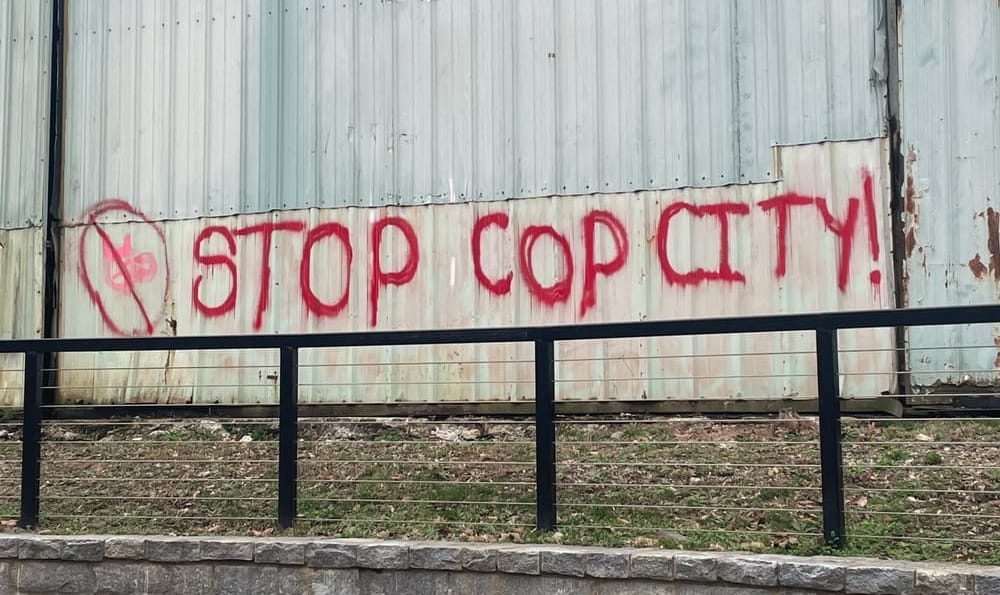
The case centers on the controversial Stop Cop City protests in Atlanta, a movement opposing the construction of a large police training facility in the Weelaunee Forest area.
What the Court Records Reveal
According to documents reported by 404 Media, investigators from the FBI and the Georgia Bureau of Investigation were examining members of the Defend the Atlanta Forest (DTAF) movement. Authorities suspected activists of organizing vandalism and property damage connected to the protests.
During the investigation, authorities sought information tied to a specific Proton Mail account.
Swiss authorities, working through a Mutual Legal Assistance Treaty (MLAT) request, provided payment data associated with the account. That financial information helped investigators identify the individual allegedly operating the account.
This is the key reason Proton Mail helped FBI unmask anonymous Stop Cop City protester. While the service encrypts emails and claims not to log user activity, payment records such as credit card information can still connect accounts to real identities.
How Proton Mail Responded
Proton Mail emphasized that the company does not voluntarily share user data. The Swiss based provider said it only responds when legally compelled by Swiss courts.
Edward Shone, head of communications at Proton AG, told 404 Media that the company cannot refuse valid legal orders issued by Swiss authorities. Proton Mail operates under Swiss privacy laws, which are often stricter than those in many other countries.
However, those laws still allow cooperation with foreign investigations through official legal channels.
In practical terms, this means encrypted email providers can protect message content but may still provide account metadata or payment information when required by law.
Encryption Protects Content, Not Identity
The case highlights a common misunderstanding about encrypted services.
Proton Mail uses end to end encryption, meaning the company cannot read message contents stored in its system. But encryption does not automatically make a user anonymous.
Law enforcement agencies often rely on other forms of evidence, including:
- Payment information
- Device fingerprints
- IP logs when available
- Open source intelligence from social media
In this investigation, payment details were enough to identify the person connected to the account.
The incident demonstrates why Proton Mail helped FBI unmask anonymous Stop Cop City protester, even though the email content itself remained encrypted.
Legal and Ethical Questions
The situation raises broader questions about privacy tools and accountability.
Supporters of encrypted services argue they are essential for journalists, whistleblowers, and political dissidents. According to the Electronic Frontier Foundation, encryption plays a critical role in protecting free speech and secure communication online.
Critics argue that anonymity can also enable criminal activity or violence, which is why legal mechanisms such as MLAT requests exist.
The balance between privacy and law enforcement access remains one of the most contested debates in modern technology policy.
What This Means for Privacy Tools
The case shows that privacy tools are not absolute shields. Encryption can protect communication content, but identity can still be uncovered through financial records, legal requests, or operational mistakes.
For users, the takeaway is simple. Security tools protect specific layers of information, not every possible trace of identity.
In this instance, Proton Mail helped FBI unmask anonymous Stop Cop City protester not by breaking encryption, but by complying with lawful requests for payment data tied to the account.
As encrypted platforms grow in popularity, cases like this will likely shape how governments, companies, and users think about digital privacy.
Fast Facts: Proton Mail's Protester Expose Explained
What does the case reveal about Proton Mail?
The case where Proton Mail helped FBI unmask anonymous Stop Cop City protester shows that encrypted services can protect email content but may still share payment data when legally required.
Did Proton Mail break encryption in the investigation?
No. In this case, encryption remained intact. Authorities identified the user through payment records obtained via a Swiss legal request.
What does this mean for online privacy?
This incident highlights that privacy tools protect specific data layers but cannot guarantee complete anonymity when legal investigations follow financial or identity trails.


