Robotaxi Companies Refuse to Say How Often Their AVs Need Remote Help
Robotaxi companies are staying silent on how often their “driverless” cars need human help. That missing data is raising serious questions about safety, transparency, and whether full autonomy is closer to reality or still a marketing illusion.
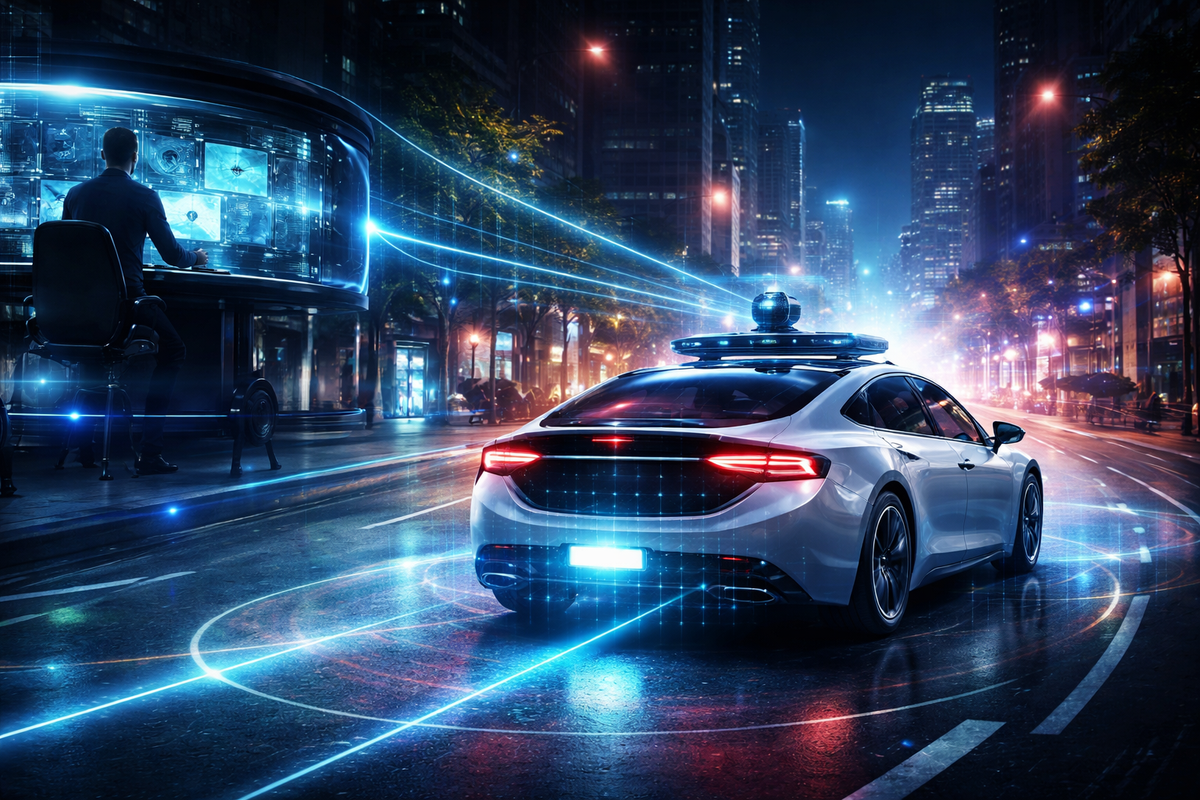
What if the “driverless” car you trust still quietly depends on a human behind the scenes? That is the uncomfortable question hanging over the autonomous vehicle industry as robotaxi companies refuse to say how often their AVs need remote help.
Despite bold promises from companies like Waymo, Cruise, and Baidu, the reality of autonomy remains more complicated than the marketing suggests. Behind the scenes, remote human operators often step in to assist vehicles when they encounter confusing or risky situations. Yet, how frequently this happens is still largely hidden from public view.
The Hidden Layer Behind Autonomous Driving
Autonomous vehicles rely on a mix of sensors, AI models, and mapping systems. But even the most advanced systems struggle with unpredictable real-world scenarios such as construction zones, erratic pedestrians, or unusual weather conditions.
In these edge cases, remote assistance comes into play. Human operators can monitor the vehicle and provide guidance or override decisions. While this adds a layer of safety, it also raises questions about how “autonomous” these vehicles really are.
Companies have been reluctant to disclose how often these interventions occur. This lack of transparency makes it difficult for regulators, researchers, and the public to assess the true reliability of the technology.
Robotaxi Companies Refuse to Say How Often Their AVs Need Remote Help
The key issue is simple. Robotaxi companies refuse to say how often their AVs need remote help, and that silence is becoming harder to justify.
Some data exists, but it is fragmented. For example, disengagement reports filed with California regulators show how often a human driver takes control during testing. However, these reports do not fully capture remote interventions in commercial robotaxi operations.
Experts argue that without consistent reporting standards, comparisons between companies are nearly impossible. A vehicle that requires frequent remote guidance may still appear “fully autonomous” to passengers.
Why Transparency Matters
Transparency is not just a technical issue. It is a public trust issue.
If robotaxi companies want widespread adoption, they need to be upfront about limitations. According to a 2023 survey by AAA, about 68 percent of Americans expressed fear of fully self-driving cars. Lack of clarity around remote assistance only adds to that skepticism.
Regulators are also paying attention. Policymakers in the US and Europe are increasingly pushing for stricter reporting requirements. Knowing how often human intervention is needed could shape safety standards and liability frameworks.
The Business Reality Behind the Silence
There is also a business incentive to stay quiet. Admitting frequent reliance on remote help could undermine claims of scalability and cost efficiency.
Robotaxi services are often marketed as a future replacement for human drivers. But if each vehicle still requires occasional human oversight, the economics become more complex. Labor costs do not disappear. They just move behind the scenes.
This tension explains why robotaxi companies refuse to say how often their AVs need remote help. Transparency could slow investment momentum or raise uncomfortable questions about profitability.
What Comes Next for Autonomous Mobility
The path forward likely involves a mix of regulation and industry pressure. Standardized reporting on remote interventions could become mandatory, similar to aviation safety disclosures.
For consumers, awareness is key. Autonomous does not mean infallible. Understanding the role of remote assistance helps set realistic expectations.
The technology is improving rapidly, but it is not magic. The future of robotaxis will depend not just on better AI, but on honest communication about what the systems can and cannot do.