Salesforce CEO Says “It’s Too Easy” to Make AI the Scapegoat for Layoffs
Salesforce CEO pushes back on blaming AI for job cuts, arguing companies are oversimplifying complex business decisions. Here’s what it really means for the future of work.
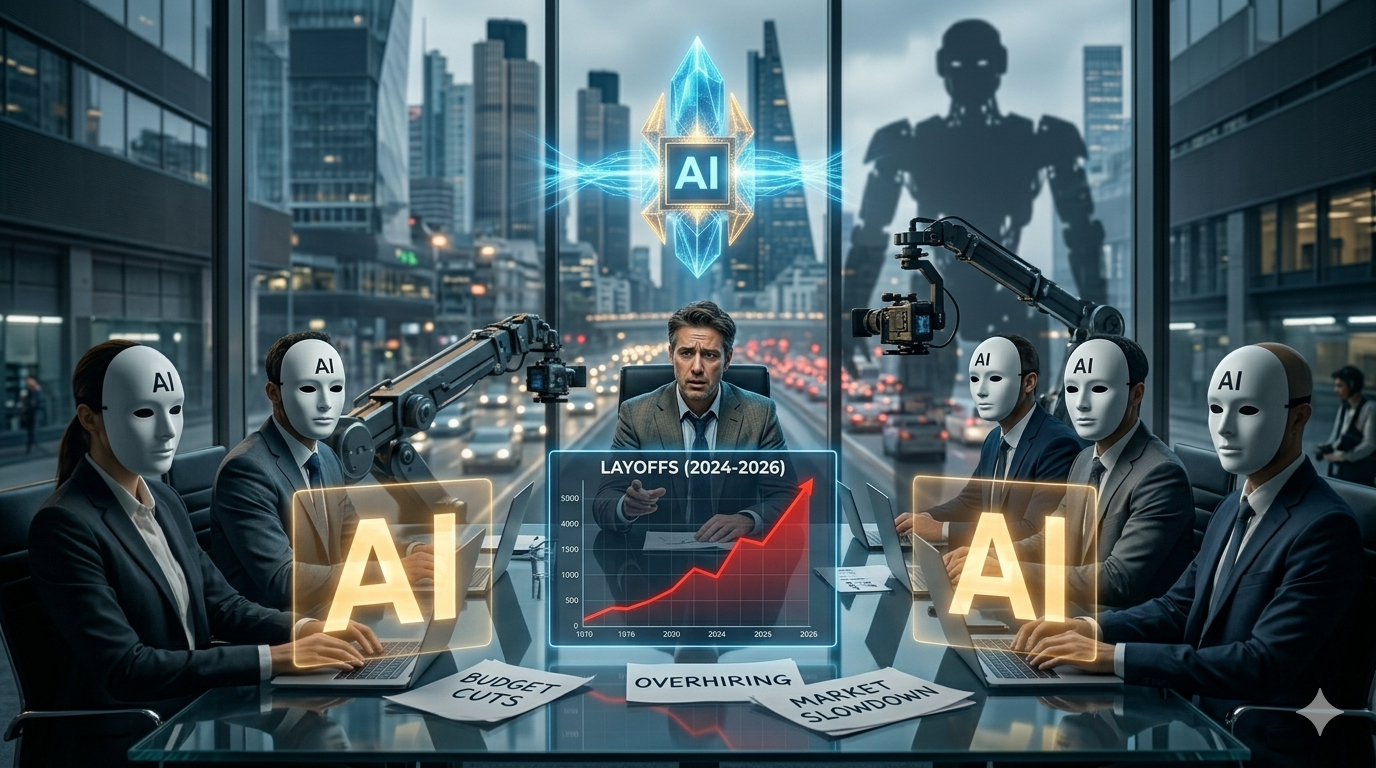
Is AI really stealing jobs, or are companies just passing the blame? That question is becoming harder to ignore as layoffs sweep across the tech industry. Salesforce CEO Marc Benioff has openly pushed back, saying it’s too easy to make AI the scapegoat for layoffs. His argument cuts through the noise and forces a more uncomfortable truth into the spotlight.
Is AI Really to Blame for Layoffs?
The phrase “Salesforce CEO says ‘ it’s too easy ’ to Make AI The Scapegoat for Layoffs” reflects a growing concern in the industry. Companies are increasingly pointing to artificial intelligence as the reason for job cuts, but that explanation often lacks depth.
Blaming AI is convenient. It sounds futuristic and inevitable. It also avoids accountability. Instead of admitting overhiring during boom periods or reacting to slowing revenue, businesses can shift the narrative toward automation.
The Real Drivers Behind Tech Layoffs
Over the past two years, tech layoffs have reached hundreds of thousands globally. Data from Layoffs.fyi shows that more than 400,000 tech workers lost their jobs between 2023 and 2025. AI played only a small role in most cases.
Many companies expanded aggressively during the pandemic, expecting growth to continue. When demand stabilized, they were forced to scale back. The discussion around “Salesforce CEO says ‘ it’s too easy ’ to Make AI The Scapegoat for Layoffs” highlights how these business realities are often ignored.
How AI Is Actually Impacting Jobs
AI is changing how work gets done, but not in the dramatic way many assume. Tools powered by generative AI are helping employees become more efficient in areas like customer service, coding, and marketing.
Salesforce itself has integrated AI into its platform through Einstein AI, enabling teams to automate repetitive tasks and focus on higher-value work. This shift can reduce the need for certain roles, but it also creates demand for new skills and positions.
According to the World Economic Forum, AI is expected to create 97 million new jobs globally by 2025, even as it displaces 85 million. The net effect is transformation, not elimination.
Why Blaming AI Is Risky
The narrative behind “Salesforce CEO says ‘ it’s too easy ’ to Make AI The Scapegoat for Layoffs” has consequences. When companies blame AI, they obscure the real reasons behind layoffs.
This lack of transparency creates confusion and fear among workers. Employees may assume their roles are being replaced by machines, when in reality the causes are financial or strategic.
It also prevents meaningful conversations about workforce planning, reskilling, and long-term business strategy. Blaming AI might simplify messaging, but it complicates solutions.
What This Means for Workers and Businesses
For workers, the takeaway is clear. AI is becoming a standard tool, not an optional skill. Learning how to use it effectively can improve productivity and job security.
For businesses, honesty matters. If layoffs are driven by cost pressures or restructuring, acknowledging that builds trust. Using AI as a blanket explanation damages credibility and misleads both employees and the public.
The conversation sparked by “Salesforce CEO says ‘ it’s too easy ’ to Make AI The Scapegoat for Layoffs” is pushing the industry toward a more honest understanding of how technology and business decisions intersect.
Conclusion
AI is reshaping the workplace, but it is not the sole cause of layoffs. It is a tool that can increase efficiency and create new opportunities, depending on how it is used.
Blaming AI may be easy, but it oversimplifies complex decisions. The real challenge lies in adapting to change, building new skills, and demanding transparency from the organizations shaping the future of work.
Fast Facts: Salesforce CEO Says “It’s Too Easy” to Make AI The Scapegoat for Layoffs Explained
What does this statement actually mean?
The idea behind it is that companies often blame AI instead of admitting real causes like overhiring or financial pressure.
Is AI truly causing mass layoffs?
While companies blame AI , most job cuts are driven by economic conditions and business decisions, not direct AI replacement.
How should workers respond to AI changes?
workers should focus on learning AI tools and adapting skills rather than fearing AI as a direct threat.