Samsung investing in on-device AI to reduce reliance on cloud processing
Samsung is doubling down on on-device AI, shifting intelligence from the cloud to smartphones. This move could reshape privacy, speed, and the future of mobile computing.
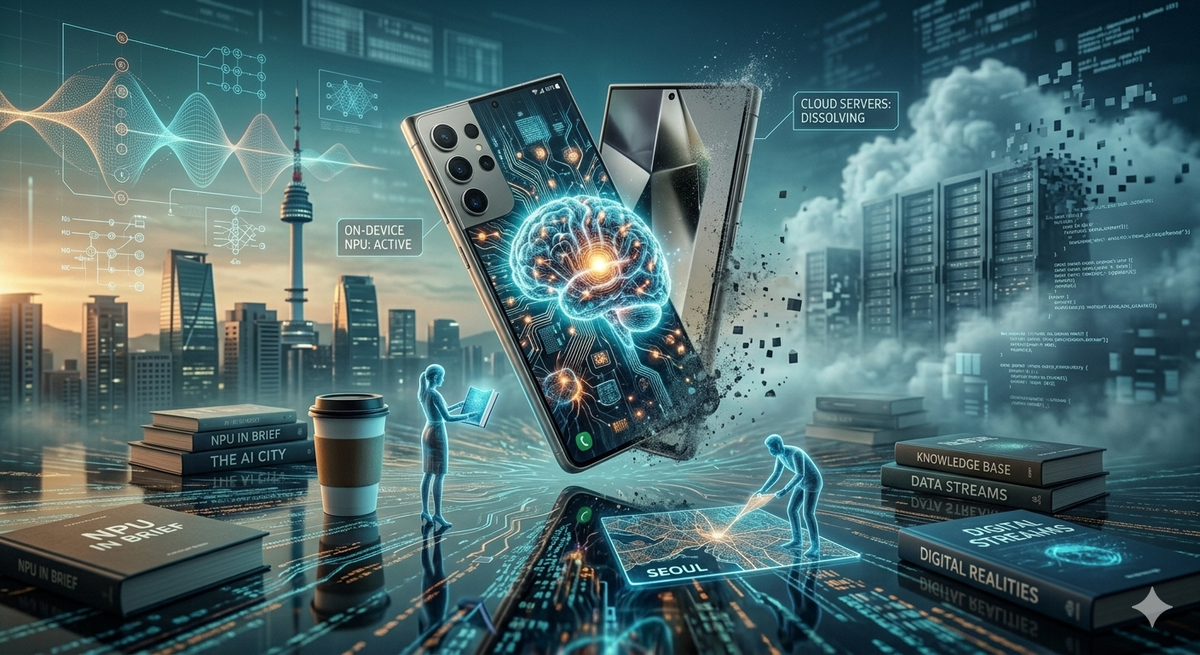
What if your phone could actually think for itself instead of constantly phoning home to the cloud? That is exactly the direction Samsung is pushing with Samsung investing in on-device AI to reduce reliance on cloud processing. The company is shifting AI workloads away from distant servers and into the devices sitting in your hand, changing how speed, privacy, and mobile intelligence actually work in real life.
Why Samsung investing in on-device AI to reduce reliance on cloud processing matters
For years, smartphones have relied heavily on cloud computing to run advanced AI features. That setup works, but it comes with trade-offs like latency, data transfer costs, and privacy exposure. With Samsung investing in on-device AI to reduce reliance on cloud processing, the goal is to reduce those dependencies and make devices smarter on their own.
This shift aligns with a broader industry movement where companies are embedding AI directly into hardware using specialized chips like Neural Processing Units. Instead of waiting for a server response, your phone handles tasks locally in real time.
How on-device AI works inside Samsung devices
Modern Galaxy smartphones are powered by processors such as Snapdragon and Exynos, both equipped with NPUs designed specifically for AI workloads. These chips enable features like live translation, image editing, and voice summarization to run directly on the device.
With Samsung investing in on-device AI to reduce reliance on cloud processing, more of these features are becoming independent of internet connectivity. That means users can access AI tools even in low-network environments, without waiting for cloud servers to respond.
The key idea is simple: process data locally, respond instantly, and reduce unnecessary data transmission.
Benefits of Samsung investing in on-device AI to reduce reliance on cloud processing
The most immediate benefit is speed. Local processing eliminates network delays, making interactions feel instant rather than dependent on internet quality.
Privacy is another major factor. By keeping sensitive data like messages, voice input, and images on the device, Samsung investing in on-device AI to reduce reliance on cloud processing reduces the need to transmit personal information to external servers.
There is also efficiency. Cloud AI systems require massive infrastructure and energy consumption. Moving workloads to devices reduces strain on data centers while improving user experience.
Limitations and technical challenges
Despite progress, on-device AI still has limits. Large-scale AI models often require more computing power than a smartphone can efficiently handle. This is why hybrid systems combining cloud and local processing still exist.
Battery consumption is another concern. Running AI tasks locally can increase power usage, especially on mid-range devices with less advanced chips.
Even with Samsung investing in on-device AI to reduce reliance on cloud processing, cloud systems are still essential for complex tasks that require larger models and broader data access.
The future of mobile AI computing
The long-term direction is clear. Smartphones are becoming independent computing units capable of handling more intelligence locally. As chip technology improves, the gap between cloud AI and on-device AI will continue to shrink.
Samsung investing in on-device AI to reduce reliance on cloud processing is not just a feature upgrade. It is a structural shift in how mobile ecosystems are designed, with privacy, speed, and autonomy becoming core priorities.
The cloud will still exist, but it will no longer be the default brain behind every task.
Fast Facts: Samsung investing in on-device AI to reduce reliance on cloud processing Explained
What is Samsung’s approach to on-device AI?
It shifts AI tasks from cloud servers to smartphones. Samsung investing in on-device AI to reduce reliance on cloud processing allows faster and more private AI experiences by processing data directly on the device.
What benefits does it bring to users?
With Samsung investing in on-device AI to reduce reliance on cloud processing, users get quicker responses, improved privacy, and offline functionality since less data is sent to external servers.
What are the key limitations?
Even with Samsung investing in on-device AI to reduce reliance on cloud processing, complex AI tasks may still require cloud support, and device hardware limitations can restrict performance on lower-end smartphones.