Shein expanding supplier network in India amid shifting global trade dynamics
As global supply chains shift, Shein is deepening its India play. Here’s what it means for manufacturers, policy, and the future of fast fashion.
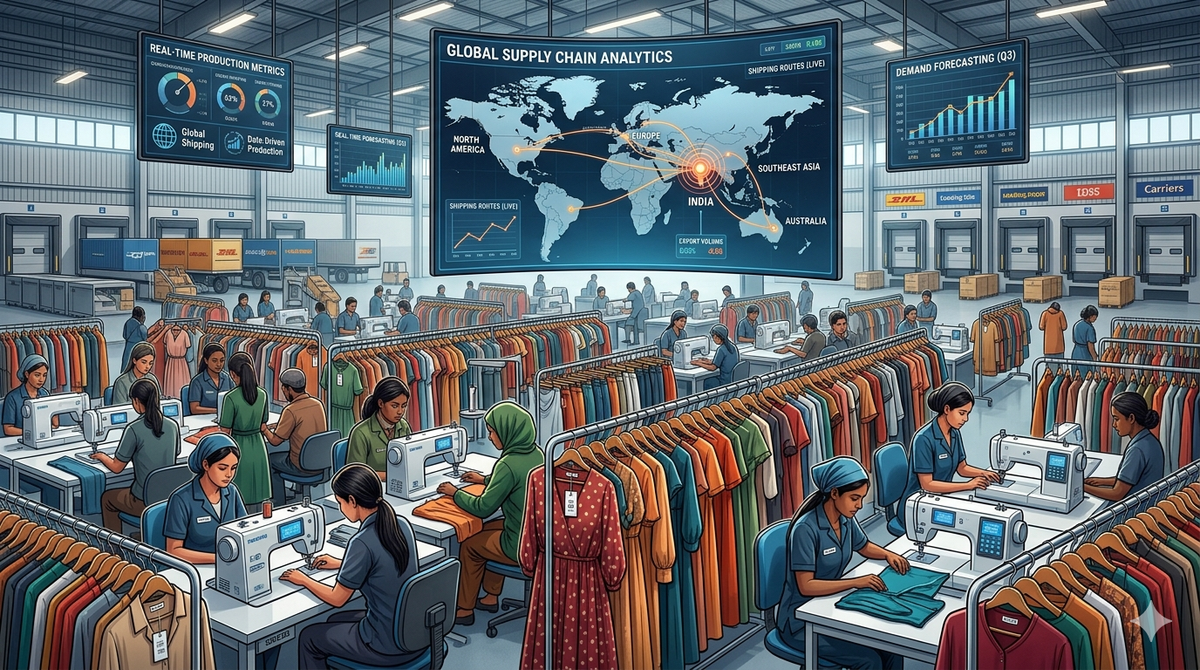
Is India about to become the next fast fashion factory for the world? That question is gaining urgency as Shein expanding supplier network in India amid shifting global trade dynamics becomes more than a headline. It signals a strategic shift with real implications for trade, manufacturing, and digital retail.
Why Shein Is Betting on India Now
Shein’s global supply chain has long depended on China. Rising geopolitical tensions, tariffs, and regulatory scrutiny in key markets like the United States are forcing diversification. India offers a large workforce, established textile hubs, and policy support such as the Production Linked Incentive scheme.
Industry projections indicate India’s textile exports could reach $100 billion by 2030 if supply chain shifts continue. For Shein, the move is not only about cost efficiency but also resilience and market access.
Shein expanding supplier network in India amid shifting global trade dynamics
The company is onboarding Indian manufacturers, especially small and mid-sized suppliers. This aligns with its ultra-fast fashion model built on rapid prototyping and short production cycles.
Research from firms like McKinsey suggests Shein can move designs from concept to production in under 10 days. Expanding its supplier network in India helps maintain this speed while reducing dependence on a single country.
For Indian suppliers, this creates access to global demand. For Shein, it reduces exposure to trade disruptions and regulatory risks.
What It Means for Indian Manufacturers
The shift presents a major opportunity. Manufacturers in hubs like Tiruppur and Surat can plug into global e-commerce without building their own distribution systems.
However, the model demands speed, flexibility, and low costs. Smaller suppliers may face pressure to scale operations and invest in technology. Compliance is another challenge, as global buyers demand higher standards in labor practices and sustainability.
Risks, Regulation, and Ethical Concerns
Shein’s expansion comes with scrutiny. The company has faced criticism over data privacy and product quality in several markets. In India, where it previously faced a ban before re-entry through partnerships, regulatory oversight remains strict.
Environmental concerns are equally significant. The Ellen MacArthur Foundation reports that the equivalent of one garbage truck of textiles is discarded every second worldwide. Expanding production without sustainable practices could intensify this issue.
The Bigger Shift in Global Trade
Shein expanding supplier network in India amid shifting global trade dynamics reflects a wider transformation. Companies are adopting multi-country sourcing strategies to reduce risk and improve flexibility.
India stands to benefit from increased manufacturing activity and export growth. The long-term impact will depend on how effectively the country balances scale with sustainability and regulatory compliance.
Conclusion
Shein’s supplier expansion in India marks a significant moment in global trade realignment. It offers growth opportunities for Indian manufacturers while raising important questions about sustainability and labor standards. The outcome will shape not just India’s textile sector but the future of fast fashion worldwide.
Fast Facts: Shein expanding supplier network in India amid shifting global trade dynamics Explained
What does this expansion mean?
Shein expanding supplier network in India amid shifting global trade dynamics means the company is sourcing more products from Indian manufacturers to diversify supply chains and reduce reliance on China.
How does this benefit India?
Shein expanding supplier network in India amid shifting global trade dynamics gives Indian suppliers global market access, boosts exports, and strengthens India’s position in fast fashion manufacturing.
What are the risks?
Shein expanding supplier network in India amid shifting global trade dynamics raises concerns about sustainability, labor standards, and regulatory compliance linked to fast fashion production.