Shein Exploring India Re Entry Through Local Partnership Talks
Shein is reportedly in talks to re-enter India through local partnerships, signaling a potential comeback after its 2020 ban. The move could reshape India’s fast fashion landscape and test regulatory boundaries.
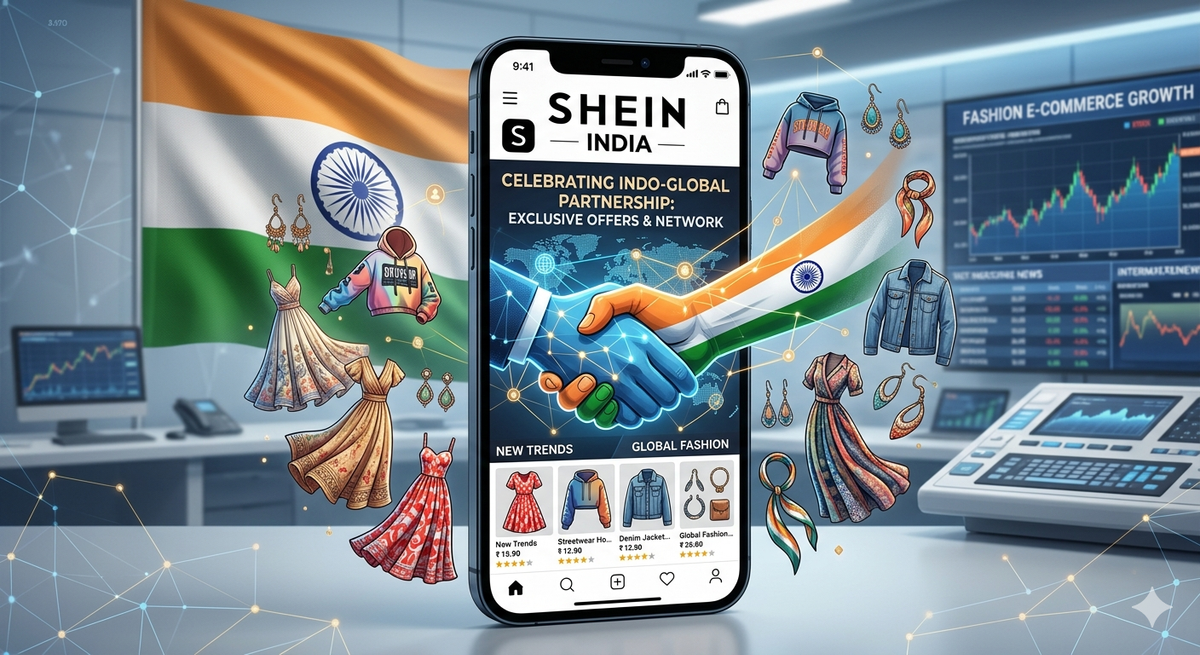
Can a banned fashion giant find its way back into one of the world’s most competitive digital markets? That question is gaining urgency as Shein explores India re entry through local partnership talks, signaling a potential return after its abrupt exit in 2020.
A Comeback After the 2020 Ban
Shein was among several Chinese apps banned by the Indian government over data security concerns. Before the ban, the platform had built a strong presence among young consumers with its low-cost, trend-focused fashion.
Now, Shein exploring India re entry through local partnership talks suggests a strategic shift. Instead of operating independently, the company is looking at collaboration with an Indian partner to comply with local regulations.
Why Shein Exploring India Re Entry Through Local Partnership Talks Matters
India’s online fashion market is expanding rapidly, driven by rising smartphone usage and a growing base of digital shoppers. Industry estimates suggest the market could exceed $30 billion by 2027.
Shein exploring India re entry through local partnership talks could reshape competition. Domestic players such as Reliance-backed Ajio and Tata Cliq have strengthened their positions since 2020. A re-entry by Shein could intensify pricing pressure and expand consumer choice.
The Local Partnership Strategy
The proposed model involves partnering with an Indian company to handle operations, compliance, and possibly data storage. This approach aligns with India’s regulatory framework and reduces geopolitical risk.
- Compliance with Indian data protection and IT laws
- Potential local sourcing or manufacturing
- Shared operational control with an Indian entity
This structure reflects a broader trend where global companies adapt their business models to meet local policy requirements.
Opportunities and Risks
Shein exploring India re entry through local partnership talks presents both benefits and challenges.
Opportunities:
- Greater affordability and product variety for consumers
- Increased competition in the fast fashion segment
- Potential growth in local manufacturing if sourcing shifts domestically
Risks:
- Ongoing concerns about data privacy and security
- Pressure on domestic brands competing on price
- Environmental concerns linked to fast fashion production cycles
What Comes Next
No official announcement has been made, but ongoing discussions indicate serious intent. Regulatory approval will be a decisive factor. Authorities are likely to closely evaluate compliance measures, especially around data handling and ownership structures.
For Shein, success will depend on balancing affordability with compliance. For India, the move will reflect its approach to foreign platforms seeking re-entry under revised conditions.
Conclusion
Shein exploring India re entry through local partnership talks highlights a shift in how global companies approach regulated markets. Collaboration, compliance, and local alignment are becoming essential for market access. The outcome could influence how other international brands navigate India’s evolving digital economy.
Fast Facts: Shein Exploring India Re Entry Through Local Partnership Talks Explained
What does Shein exploring India re entry through local partnership talks mean?
Shein exploring India re entry through local partnership talks means the company plans to return by working with an Indian partner to meet legal and regulatory requirements.
Why is Shein exploring India re entry through local partnership talks now?
Shein exploring India re entry through local partnership talks reflects India’s growing fashion e-commerce demand and the need to comply with stricter data and security rules.
What are the risks of Shein exploring India re entry through local partnership talks?
Shein exploring India re entry through local partnership talks raises concerns about data privacy, pressure on local brands, and environmental impact linked to fast fashion.