Shein Increasing Investments in India Supply Chain Partnerships Ahead of Potential Relaunch
Shein is quietly rebuilding its India strategy by investing in local supply chains, signaling a possible comeback in one of its fastest-growing markets.
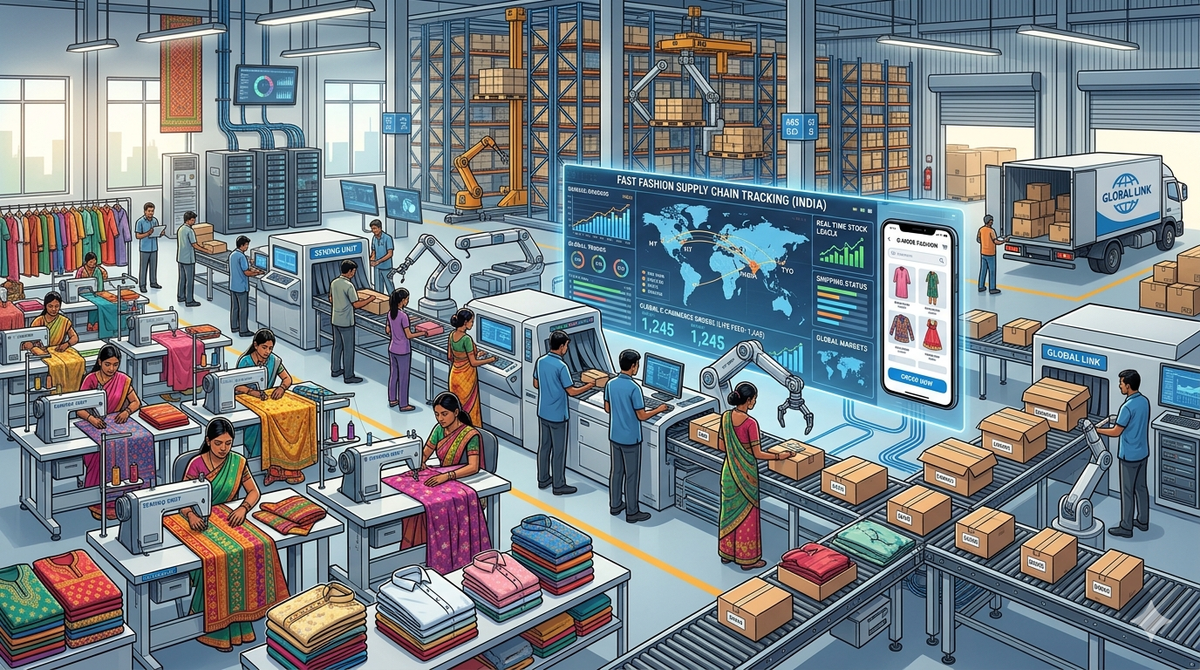
Is Shein preparing a calculated comeback in India’s fashion market? The fast-fashion giant is quietly rebuilding its presence by strengthening local manufacturing partnerships, signaling that a return may be closer than expected.
Why Shein Is Betting Big on India Again
After being banned in India in 2020 amid geopolitical tensions, Shein lost access to one of its fastest-growing markets. Before the ban, the platform had millions of active users and strong demand among price-sensitive, trend-focused consumers.
Shein increasing investments in India supply chain partnerships ahead of potential relaunch reflects a strategic shift. Instead of relying on imports, the company is focusing on local production. This approach aligns with India’s manufacturing push and helps reduce regulatory friction.
Analysts suggest that this localization strategy could also improve delivery timelines and cost efficiency, both critical for competing in India’s fast-paced e-commerce market.
Building Local Supply Chain Partnerships
Shein is reportedly working with Indian garment manufacturers, textile suppliers, and logistics providers to build a resilient supply chain. Small and mid-sized manufacturers are being integrated into this ecosystem, giving them access to global demand.
This move mirrors a broader trend where global brands diversify supply chains to reduce dependence on a single country. For India, it creates opportunities for job growth and increased exports. For Shein, it ensures faster production cycles, which is essential for fast fashion.
Shein Increasing Investments in India Supply Chain Partnerships Ahead of Potential Relaunch: Market Impact
A potential relaunch backed by strong local partnerships could reshape India’s fashion e-commerce landscape. Since Shein’s exit, platforms like Myntra and Reliance-backed ventures have captured significant market share.
Re-entry will not be simple. Regulatory approvals, data compliance requirements, and political sensitivities remain key challenges. Consumer perception is another factor, as awareness around sustainability and ethical sourcing continues to grow.
Opportunities and Risks in the Comeback Strategy
India’s online fashion market is expanding rapidly, driven by a young population and increasing smartphone penetration. This presents a clear opportunity for Shein to regain traction.
However, fast fashion faces criticism for environmental impact and labor practices. Shein’s ability to address these concerns will influence its long-term position. At the same time, local competitors have strengthened their supply chains and customer loyalty.
What This Means for Consumers and Businesses
For consumers, a relaunch could bring more affordable fashion options and quicker deliveries. For Indian manufacturers, it offers access to larger markets and scalable production opportunities.
Shein increasing investments in India supply chain partnerships ahead of potential relaunch highlights a shift toward localized global strategies. Companies are adapting to regional ecosystems instead of relying on centralized operations.
Shein’s approach suggests that its return is not just about regaining lost ground but about building a more sustainable and compliant business model within India’s evolving regulatory and economic framework.
Fast Facts: Shein Increasing Investments in India Supply Chain Partnerships Ahead of Potential Relaunch Explained
What does this strategy mean?
Shein increasing investments in India supply chain partnerships ahead of potential relaunch means building local production and logistics networks to support a compliant and efficient return.
Why is localization important?
Shein increasing investments in India supply chain partnerships ahead of potential relaunch helps reduce regulatory risks, improve delivery speed, and align with domestic manufacturing policies.
What are the main challenges?
Shein increasing investments in India supply chain partnerships ahead of potential relaunch faces hurdles like regulatory approvals, sustainability concerns, and strong competition.