Some Artists and Museums Embrace AI Art While Others Call It a Gimmick
From major institutions experimenting with generative tools to artists protesting its use, AI art is forcing the art world to redefine originality, authorship, and value.
Is AI art the next great artistic movement or just a high-tech shortcut?
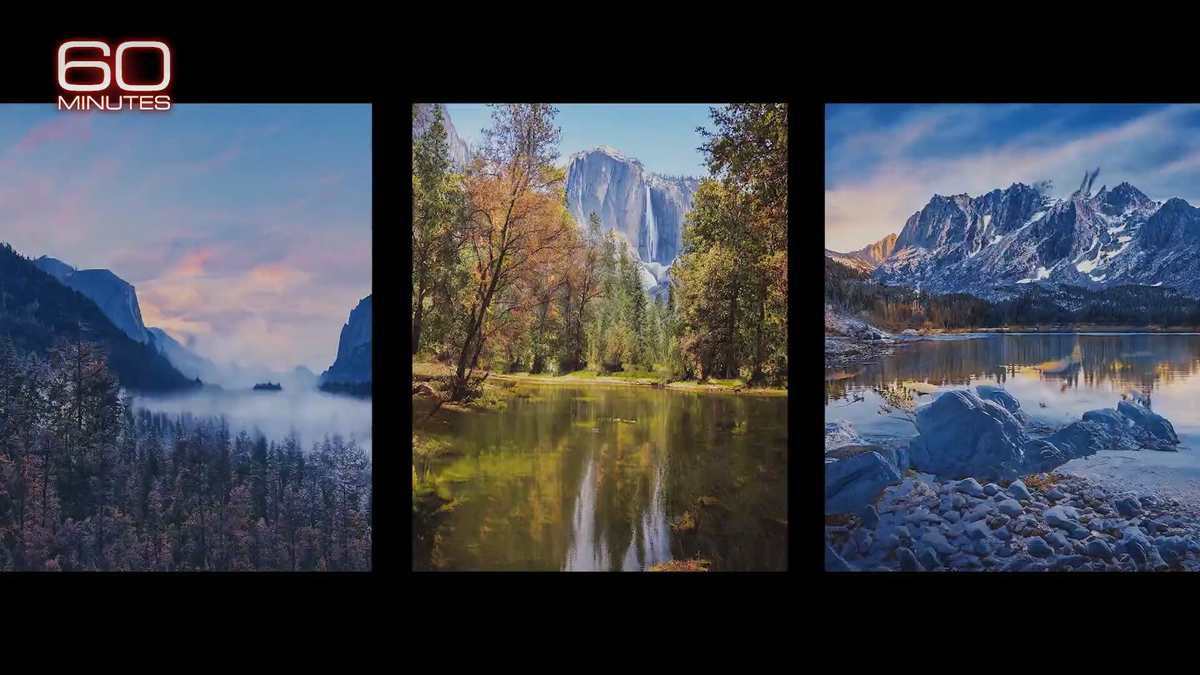
That question is dividing galleries, collectors, and creators worldwide. As CBS News recently explored, some artists and museums are embracing AI art as a bold new medium, while others dismiss it as a gimmick that undermines human creativity. The debate reflects a broader cultural shift as artificial intelligence moves from research labs into studios and exhibition halls.
Why Museums Are Embracing AI Art
Several museums and cultural institutions are exploring AI art to attract new audiences and reflect technological change. Generative AI systems such as OpenAI’s DALL·E and tools developed by Google AI can create highly detailed images from text prompts. According to a 2023 report by MIT Technology Review, generative AI adoption has accelerated across creative industries, including design and media.
For museums, AI art offers interactive exhibits and immersive installations that engage digital-native visitors. Some curators argue that AI is simply the next evolution of artistic tools, comparable to photography in the 19th century or digital art in the 1990s.
Artists who embrace AI art often describe it as collaboration rather than automation. They see algorithms as creative partners that expand human imagination rather than replace it.
The Critics: Is AI Art a Gimmick?
Not everyone is convinced. Critics argue that AI art lacks authenticity because algorithms are trained on massive datasets of existing works. Concerns about copyright and consent remain unresolved. In 2023, lawsuits were filed against AI companies alleging that copyrighted artwork was used without permission for training models.
Some traditional artists believe AI art reduces years of craft and discipline to a few text prompts. They question whether works generated by machines can carry the emotional depth or lived experience that defines great art.
The controversy intensified after AI-generated pieces won art competitions, sparking backlash from human competitors who felt displaced.
The Technology Behind AI Art
At its core, AI art relies on machine learning models trained on millions of images. These systems learn patterns, styles, and visual relationships, enabling them to generate new images based on prompts.
OpenAI and Google AI have both emphasized that generative AI is a tool, not a replacement for human creators. Still, experts warn about bias in training data and the risk of homogenized aesthetics if AI art becomes overly dominant.
The technology is powerful, but it also raises questions about transparency, data ethics, and long-term cultural impact.
Real-World Impact Beyond Galleries
AI art is not confined to museums. It is influencing advertising, game design, fashion, and social media content creation. Brands are using AI-generated visuals to cut costs and accelerate production.
For independent creators, AI tools lower barriers to entry. Someone without formal training can now produce compelling visuals with minimal resources. However, this democratization also intensifies competition and may devalue traditional commissions.
The broader question is not whether AI art will persist, but how it will coexist with human artistry.
Conclusion: Evolution or Experiment?
The debate around AI art is unlikely to fade. Some view it as a transformative medium that expands creative boundaries. Others see it as a shortcut that threatens artistic integrity.
History suggests that new technologies often face resistance before becoming integrated into mainstream culture. Whether AI art becomes a defining movement or a niche experiment will depend on how responsibly it is developed and how thoughtfully it is curated.
For now, one thing is clear. AI art has moved from novelty to serious conversation.
Fast Facts: AI Art Explained
What is AI art?
AI art refers to artwork created or assisted by artificial intelligence systems. AI art uses machine learning models trained on large image datasets to generate new visuals based on text or image prompts.
How capable is AI art today?
AI art can produce high-quality, realistic, or stylized images in seconds. AI art tools are widely used in marketing, design, and entertainment, but they still depend heavily on human guidance and input.
What are the main concerns about AI art?
AI art raises ethical questions about copyright, originality, and bias. Critics argue AI art may rely on unlicensed data and could undermine traditional artists if not regulated responsibly.